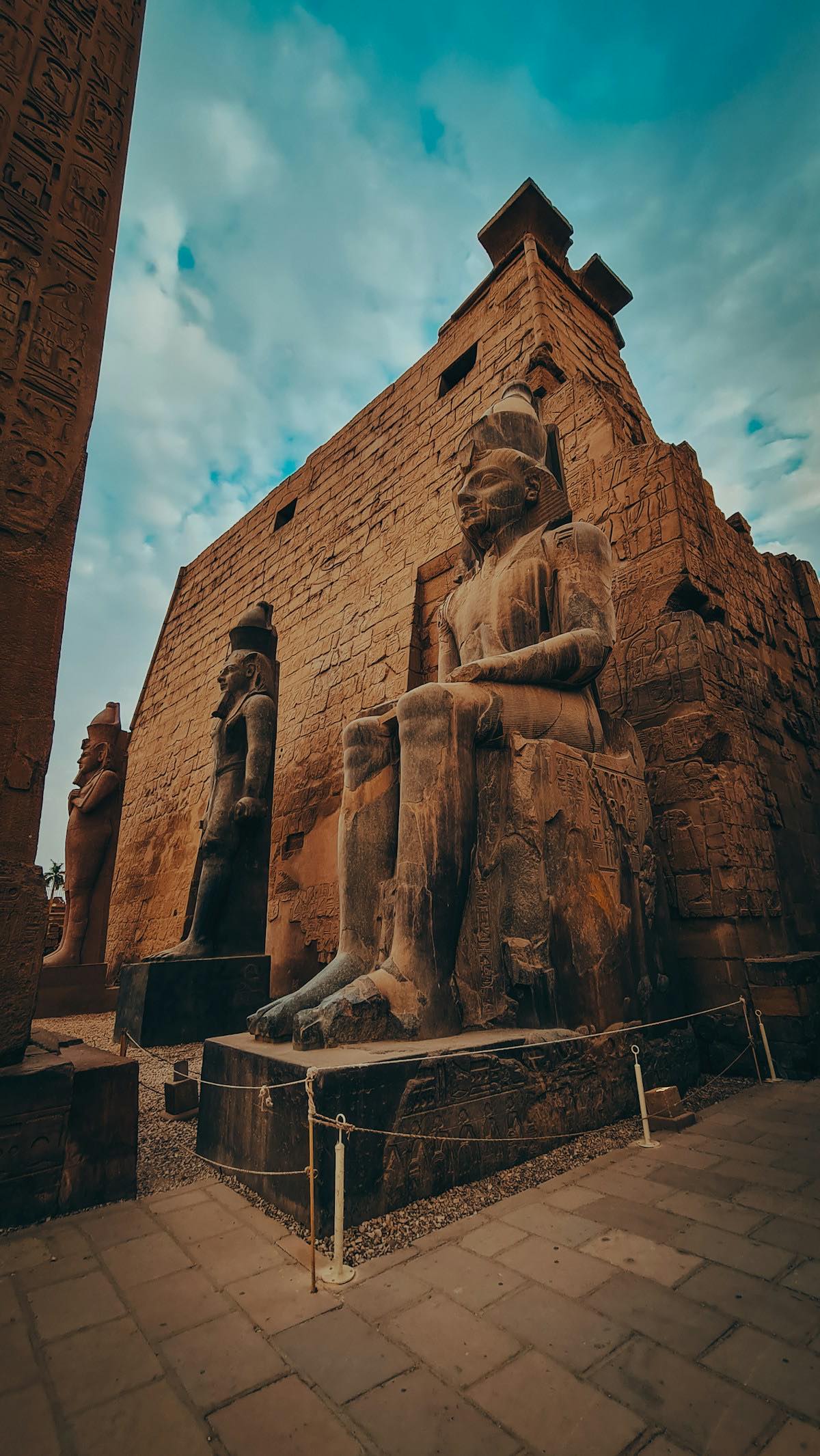
Both Luxor and Aswan sit on the Nile, both have extraordinary ancient sites, and most itineraries include both. But they feel markedly different - Luxor is the world’s greatest concentration of Pharaonic ruins; Aswan is a smaller, more relaxed city with a strong Nubian identity. Here’s how to decide where to spend more time, or which to prioritise if time is genuinely short.
Quick Verdict
| Category | Luxor | Aswan |
|---|---|---|
| Temple & tomb density | ★★★★★ | ★★★★ |
| Nubian culture | ★★ | ★★★★★ |
| Nile atmosphere | ★★★★ | ★★★★★ |
| Felucca sailing | ★★★ | ★★★★★ |
| Hot air ballooning | ★★★★★ | ★★ |
| Budget (per day) | EGP 1,000–3,500 | EGP 900–3,000 |
| Ease of navigation | ★★★★ | ★★★★★ |
| Best for | Temple immersion, hot air balloons | Nubian culture, Nile sailing, Abu Simbel base |
Budget Comparison
Both cities are considerably cheaper than Cairo.
Luxor daily costs:
- Budget: EGP 700–1,200 (approximately USD 14–24 as of 2026) - guesthouse, street food, bicycle
- Mid-range: EGP 2,000–3,500 - Nile-view hotel, restaurant meals, private guide for a day
- Luxury: EGP 6,000+ - Sofitel Winter Palace or Nile cruise upgrade
Aswan daily costs:
- Budget: EGP 600–1,000 (approximately USD 12–20) - Nubian guesthouse, local food, public ferry to Elephantine
- Mid-range: EGP 1,800–3,000 - corniche hotel, restaurant meals, felucca hire
- Luxury: EGP 5,000+ - Sofitel Legend Old Cataract or Movenpick Elephantine Island
Site entry fees add up in both cities. Budget approximately EGP 1,500–2,000 for two full days of sites in Luxor (Karnak, Valley of the Kings, Hatshepsut, Luxor Temple). Aswan’s main sites total approximately EGP 900–1,200 (Philae, the Unfinished Obelisk, Nubian Museum) - Aswan sites cost less overall.
See our Egypt travel budget guide for full cost context.
Ancient Sites
Luxor:
- Karnak Temple Complex - EGP 450 (as of 2026); the largest religious building ever constructed; allow 2–3 hours
- Valley of the Kings - EGP 360 base (includes three tombs); add EGP 100–300 each for premium tombs including Tutankhamun (EGP 300) and Seti I (EGP 1,000)
- Hatshepsut Temple (Deir el-Bahari) - EGP 360; three-tiered mortuary temple built into the cliffs
- Luxor Temple - EGP 450; spectacular at night when lit; the Avenue of Sphinxes connecting to Karnak is gradually being excavated
- Colossi of Memnon - free; iconic twin statues on the West Bank road
- Valley of the Queens - EGP 360; Nefertari’s Tomb requires a separate ticket (EGP 1,800 - limited to 150 visitors per day)
- Medinet Habu - EGP 360; Ramesses III’s mortuary temple, far less crowded than Karnak
Aswan:
- Philae Temple - EGP 360 plus boat to the island approximately EGP 200–300 per group; Isis temple relocated when Lake Nasser flooded the original site; magical in the afternoon light
- Unfinished Obelisk - EGP 80; an obelisk abandoned in the granite quarry, 41 m long, still attached to the bedrock
- Nubian Museum - EGP 200; the best museum in Upper Egypt outside Cairo; covers Nubian history from prehistoric times through the Nubian people displaced by Lake Nasser
- Abu Simbel - 280 km south of Aswan; entry EGP 450 plus EGP 300–500 for minibus or EGP 1,800–2,500 for a day trip. Ramesses II’s two temples are among the most dramatic ancient monuments in the world - non-negotiable if visiting Aswan
- Kom Ombo - EGP 360; 45 km north of Aswan; double temple dedicated to Sobek and Horus; typically visited en route on a Nile cruise
Nile Experience
Both cities sit on beautiful stretches of the Nile, but Aswan’s setting is uniquely dramatic - granite boulders break the river into channels, creating the First Cataract. The Nile at Aswan is wider and more photogenic than at Luxor.
Aswan Nile activities:
- Felucca sailing - the definitive Aswan experience; traditional wooden sailboats; EGP 150–300 per hour for the whole boat; sunset is the prime time
- Elephantine Island - the oldest settlement in Aswan; Nubian village, small Aswan Museum, public ferry EGP 5
- Botanical Garden (Kitchener’s Island) - EGP 120; peaceful escape; accessible by felucca
Luxor Nile activities:
- West Bank public ferry - EGP 5–10 per crossing; an Egyptian experience
- Hot air balloon - Luxor is the finest place in Egypt for ballooning; EGP 4,000–6,000 per person (as of 2026) for a 45-minute sunrise flight over the Valley of the Kings and West Bank temples. Our hot air balloon Luxor guide covers operators and booking.
- Nile cruise boarding - Luxor is the most common starting point for Luxor–Aswan cruises
Accommodation
Luxor:
- Sofitel Winter Palace - EGP 8,000–14,000 per night; colonial-era grandeur, six acres of gardens, Nile frontage; the most iconic hotel in Upper Egypt
- Steigenberger Nile Palace - EGP 4,500–7,000; modern, central
- Nefertiti Hotel - EGP 500–800 budget; rooftop with West Bank views; popular backpacker base
- Happyland Hotel - EGP 350–550; basic, clean, well-located
Aswan:
- Sofitel Legend Old Cataract - EGP 9,000–16,000 per night; Agatha Christie wrote part of Death on the Nile here; granite-boulder Nile views, colonial grandeur; one of Egypt’s great hotels
- Movenpick Resort Elephantine Island - EGP 5,000–9,000; on its own island in the Nile; shuttle boat to shore
- Basma Hotel - EGP 1,500–3,000; hillside location above the corniche, views of the Nile and First Cataract
- Nubian Rest House - EGP 600–1,200; basic but atmospheric Nubian-style guesthouse
See our where to stay in Aswan guide and where to stay in Luxor guide.
Food & Eating Out
Neither city has a sophisticated restaurant scene by Egyptian standards, but both have decent options along the Nile corniche.
Luxor:
- Sofra Restaurant - the best local cooking in Luxor; mains EGP 150–280; traditional Upper Egyptian dishes
- 1886 Restaurant (Winter Palace) - set dinner EGP 700–900; colonial dining experience
- Mish Mish Café - sandwiches and salads EGP 60–120; backpacker staple
Aswan:
- Chef Khalil - grilled fish and Nubian food on the corniche; EGP 120–250 per person
- Nubian Sunset Restaurant - sunset views, traditional Nubian dishes; EGP 150–300
- Panorama Restaurant - reliable mid-range with Nile views; EGP 100–220
Getting Between Luxor and Aswan
- Nile cruise - 3–5 nights; the most rewarding option, stopping at Edfu and Kom Ombo; from approximately EGP 12,000 per person (as of 2026) for a 4-night boat
- Sleeper train - the same Cairo–Aswan sleeper that continues south from Luxor; departs Luxor approximately 10 pm, arrives Aswan approximately 1 am
- Day train - multiple services; EGP 150–400 depending on class; 3 hours
- Minibus - 3–4 hours; EGP 100–200 per person from either city’s shared taxi stand
- Flight - EgyptAir operates Luxor–Aswan service; infrequent, often not worth the airport time for such a short hop
See our Cairo–Luxor–Aswan sleeper train guide for booking and timing details.
Who Should Choose Luxor?
- Visitors focused on Pharaonic temples and tombs - Luxor is unrivalled
- Hot air balloon enthusiasts
- Those starting or finishing a Nile cruise (most cruises board or disembark in Luxor)
- Travellers on a tight schedule who need to prioritise one Upper Egypt city - Luxor wins for sheer site count
Who Should Choose Aswan?
- Travellers drawn to Nubian culture and the African side of Egypt
- Those who want to visit Abu Simbel (Aswan is the logical base)
- Felucca and slow Nile sailing enthusiasts
- Visitors who want a more relaxed pace and less site-hopping intensity
The most common answer is: do both. Our classic Egypt itinerary shows how to fit both Upper Egypt cities into a standard trip.
Related Guides
- Luxor Travel Guide - full guide to accommodation, transport, and what to see
- Aswan Travel Guide - full guide including Abu Simbel, Nubian villages, and felucca logistics
- Nile Cruise: Luxor to Aswan - the most rewarding way to travel between the two cities
- Valley of the Kings - Luxor’s flagship West Bank site
- Abu Simbel Temples - the main reason to use Aswan as a base
- Dahabiya vs Nile Cruise - comparing the two main river travel options
- Aswan Itinerary | Luxor Itinerary
Guided tours of Luxor and guided tours of Aswan are both bookable as standalone days, which makes it easy to see the main sites in each city without a pre-packaged itinerary.
Ready to Plan Your Trip?
Here are our most popular Egypt itineraries to help you make the most of your visit: