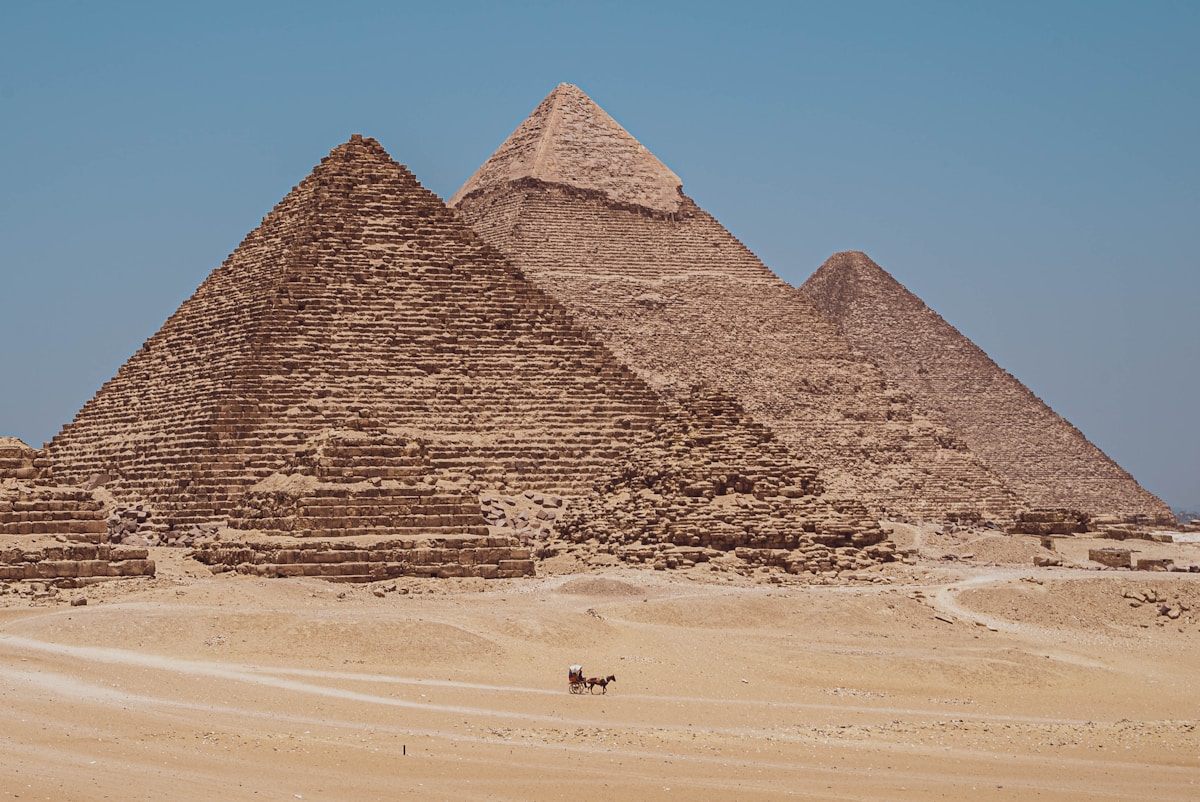
Egypt’s climate divides neatly into two questions: when is the Nile Valley bearable, and what is the Red Sea doing? The answers are different, and your ideal travel window depends on which part of Egypt you’re visiting.
October to April: The Main Tourist Season
This is the best window for visiting Cairo, Luxor, Aswan, and the desert sites. Daytime temperatures across the Nile Valley run 20–28°C, dropping to 10–15°C at night in December and January - cooler than many visitors expect. November through March is peak season: expect higher hotel prices and crowds at the pyramids, Valley of the Kings, and Karnak. Book accommodation in advance.
Search hotels in Egypt on Booking.com
April is a strong shoulder month - still comfortable inland before the heat builds, with better availability than the winter peak. The Luxor and Aswan temples are at their most photogenic in the lower, golden light of this period.
May and June: Transitional
Cairo and Alexandria are manageable in May, though temperatures climb toward 35°C. Luxor and Aswan become uncomfortable by June - 40°C is common. If you travel inland in May, start sightseeing early and retreat indoors by noon.
The Red Sea coast handles this period well. Hurghada and Sharm el-Sheikh see some of their best diving conditions, with visibility improving as water temperatures rise to around 24–26°C.
July and August: Heat Season
Inland Egypt is extreme in high summer. Luxor and Aswan regularly see 45–48°C - these destinations are not recommended in July and August unless you are specifically prepared for desert heat and will visit all sites at dawn. Cairo sits at 35–40°C.
The Red Sea coast is a different calculation. European summer holidays drive strong demand at Hurghada and Sharm el-Sheikh, and both resorts are almost entirely air-conditioned. Sea temperatures reach 26–28°C, conditions are calm, and the reef diving remains excellent. Many visitors find this a perfectly functional beach holiday, provided they expect little outdoor activity away from the water.
September: Late Summer
September is still very hot inland - temperatures begin easing from late September but remain high. Pricing starts to drop from summer peaks, making it a modest value opportunity for those with heat tolerance. Red Sea conditions remain good.
Ramadan
Ramadan shifts approximately 11 days earlier each year. During this month, restaurants and cafes close during daylight hours, business hours are reduced, and some tourist sites may adjust opening times. Non-Muslim visitors are expected to be respectful - eating, drinking, and smoking in public during daylight is inappropriate in non-tourist areas.
The atmosphere during Ramadan is culturally distinctive in a way that some travellers find genuinely worthwhile. Evenings become lively with Iftar (the breaking of the fast) and Suhoor meals. Tourist infrastructure at major sites generally continues operating, but check current conditions for the specific year you travel.
Red Sea Diving Year-Round
Diving conditions in the Red Sea are good year-round, which is a genuine distinction. Water visibility is best April through October. Winter water temperature drops to approximately 22°C - a 5mm wetsuit is advisable. Summer temperatures reach 28°C. Liveaboards and dive centres operate throughout the year, and Egyptian Red Sea dive sites - including the SS Thistlegorm wreck and Ras Mohammed National Park - are accessible in every season.
Egypt Month by Month
Use these detailed guides to plan around climate, crowds, and events:
- Egypt in January
- Egypt in February
- Egypt in March
- Egypt in April
- Egypt in May
- Egypt in June
- Egypt in July
- Egypt in August
- Egypt in September
- Egypt in October
- Egypt in November
- Egypt in December
Plan Your Trip
- Egypt Visa Guide - entry requirements regardless of when you travel
- Egypt Travel Budget - costs vary by season, with winter peak pricing to factor in
- 1 Week in Egypt Itinerary - the core Cairo–Luxor–Aswan circuit, best in Oct–April
- Red Sea Diving Guide - diving conditions by season across all four main hubs
- Nile Cruise: Luxor to Aswan - October through March is prime Nile cruise season
- Browse Egypt tours by season - check current availability for your travel dates
Related News
- Eid al-Adha 2026 in Egypt: What to Expect
- Egypt Tourism Surges 16% as Travellers Seek Regional Stability
Ready to Plan Your Trip?
Here are our most popular Egypt itineraries to help you make the most of your visit: