Aswan Travel Guide: Nubia, Feluccas, and the Nile
Aswan: Philae Temple (UNESCO relocated), Nubian villages, felucca sailing EGP 100–200, Abu Simbel $100–150 day trip. October–February.
Guides for Aswan
Aswan is Egypt’s southernmost major city, sitting on the Nile near the Sudanese border at the point where the river narrows between granite outcrops. With a population of around 300,000, it is much smaller than Cairo or Alexandria and moves at a different pace. Nubian culture is prominent here - the Nubian people have lived along this stretch of the Nile for millennia and maintain a distinct cultural identity, language, and aesthetic.
Philae Temple
Philae was the last temple in Egypt where the ancient religion was actively practiced - it continued until the 6th century CE, long after the rest of Egypt had converted to Christianity. The original temple stood on the island of Philae but was submerged when the first Aswan Dam was built in 1902. It was dismantled and relocated to the nearby island of Agilkia by UNESCO between 1972 and 1980, before the waters of Lake Nasser rose further behind the High Dam.
Access is by motorboat from the Shellal dock, a few kilometres south of central Aswan. The temple complex is dedicated primarily to Isis and is well-preserved. Evening sound-and-light shows run most nights. Allow two to three hours including the boat transfer.
Nubian Villages and Felucca Sailing
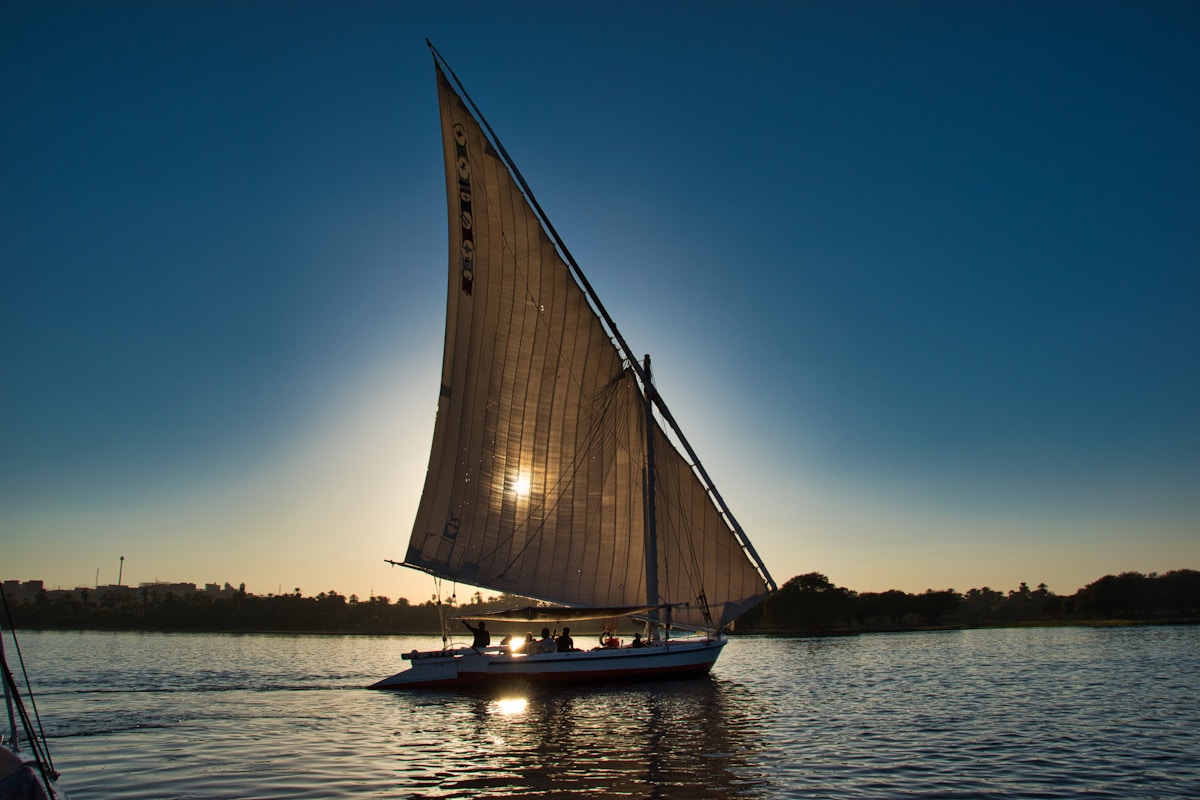
The Nubian village of Gharb Sohail, on the west bank of the Nile opposite Aswan, is accessible by local boat and gives a genuine introduction to Nubian architecture - bright painted houses in yellows, blues, and greens, with geometric patterns on the facades. Some families offer home meals and tea. The visit can be combined with a felucca ride, which is among the defining slow-travel experiences in Egypt: sailing on the Nile with no engine, stopping when the wind drops.
Feluccas can be hired by the hour or by the day from the Corniche in central Aswan. Day sails to Sehel Island (with ancient rock inscriptions) or longer overnight trips toward Luxor are also possible. For organised excursions including Philae Temple, Nubian village visits, and Abu Simbel day trips, browse Aswan tours and activities.
Search hotels in Aswan on Booking.com
Elephantine Island
Elephantine Island sits in the Nile directly opposite the city centre and is reachable by free ferry. It contains the ruins of the ancient city of Abu (Elephantine in Greek), which was the capital of the first nome of Upper Egypt and a significant trading post for goods from sub-Saharan Africa. The Aswan Museum on the island holds objects found during excavations, including a well-preserved mummified ram. The island also has active Nubian villages at its southern end.
The Aswan High Dam and Lake Nasser
The Aswan High Dam, completed in 1970, is the defining engineering project of modern Egypt. It controls the Nile’s annual flooding, provides a substantial share of Egypt’s electricity, and created Lake Nasser - one of the world’s largest artificial reservoirs, stretching 500km south into Sudan. The dam itself can be visited, though there is limited to see beyond the structure and views over the lake. The relocation of Abu Simbel and other Nubian monuments before the lake rose was the largest archaeological rescue operation in history.
Abu Simbel Day Trip
Abu Simbel is 280km south of Aswan - a three-and-a-half-hour road journey through open desert. The two rock-cut temples of Ramesses II and Nefertari are among the most impressive monuments in Egypt, relocated here by UNESCO in the 1960s when the original site was threatened by Lake Nasser’s rising waters. Road convoys from Aswan depart very early (typically around 4am) for security reasons and return by midday. Domestic flights from Aswan Airport take around 40 minutes and allow a more flexible day. For a guided Abu Simbel day trip from Aswan — including transport, entry, and an Egyptologist — compare Abu Simbel tours and packages.
When to Visit
October through February is the most comfortable period - daytime temperatures of 25–30°C and cool evenings. By March it is warming; summer (June–August) regularly reaches 45°C or above, making extended outdoor time difficult. Even in the cooler months, mornings are better for outdoor sites.
Aswan Guides
- Things to Do in Aswan
- Getting to Aswan
- Aswan Day Trips
- Nubian Villages Near Aswan
- Where to Stay in Aswan
- Abu Simbel Travel Guide
- Abu Simbel Temples: History and Visitor Guide
- Nile Cruise: Luxor to Aswan
- Felucca Sailing on the Nile
- Aswan Itinerary
- Dahabiya vs Nile Cruise
- Luxor vs Aswan: Which to Visit?
Book an experience
Top experiences in Aswan
Explore the best tours and activities in Aswan , with instant confirmation and free cancellation on most bookings.