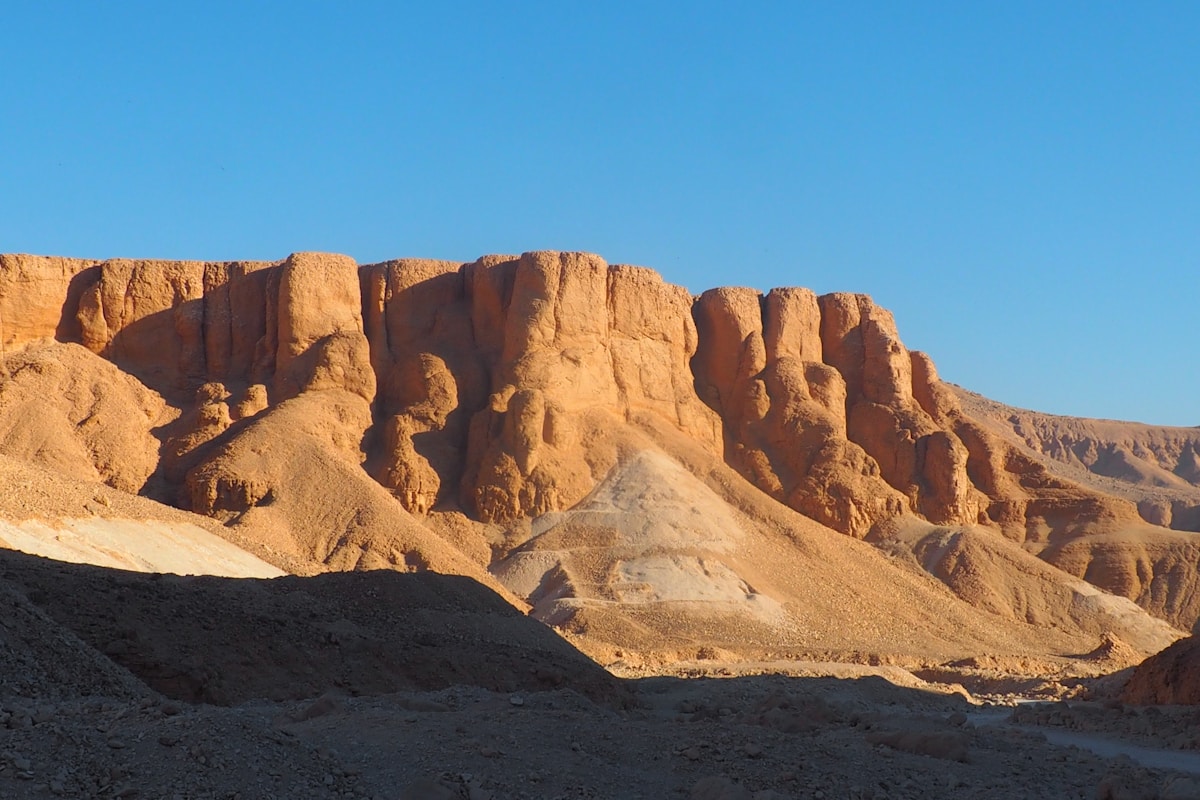
Luxor holds more ancient monuments in a smaller area than anywhere else in Egypt. The city sits at the site of ancient Thebes, once the capital of Egypt during its most powerful period, and divides naturally into two zones: the East Bank, where the living city is, and the West Bank, which the ancient Egyptians reserved for the dead. Understanding this division makes planning much easier.
Two days gives you the core; three days allows a proper pace and time for the sunrise balloon flight that most visitors rate as one of the best experiences in Egypt. Below is a day-by-day structure for both.
Day 1: East Bank - Karnak and Luxor Temple
Start early. Karnak Temple complex is the largest religious structure ever built and genuinely warrants most of a morning. Gates open at 6:00am and the complex is manageable in the cooler morning hours. Entry costs approximately EGP 450 as of 2026 (verify current pricing at the gate or via your hotel, as fees are adjusted periodically).
Search hotels in Luxor on Booking.com
Karnak highlights worth your time:
- The Hypostyle Hall - 134 massive columns in a space so large it holds visual surprises at every angle
- The Sacred Lake - walk the perimeter and look back at the hall for the classic wide view
- The Avenue of Sphinxes - the restored processional avenue that runs south toward Luxor Temple
- The Open Air Museum (separate ticket, approximately EGP 100) - contains some of the finest relief carvings in Egypt
Allow 2.5–3 hours at Karnak if you are moving at a decent pace. A guided tour of Karnak runs approximately $30–50 per person through operators at the temple entrance; private guides booked in advance via your hotel typically cost EGP 400–600 for Karnak alone.
Afternoon: Return to your hotel, eat lunch somewhere near the corniche (Al Sahaby Lane restaurant near Luxor Temple has reliable food at reasonable prices - mezze and grills from around EGP 150–250), then rest through the hottest part of the day (noon to 3pm in summer, slightly less brutal in winter).
Luxor Temple by night: Luxor Temple lights up at dusk and the experience is substantially different from a daytime visit. Entry is approximately EGP 300. The temple sits within the modern city; the contrast between the ancient pylon and the surrounding streets is striking. The Hypostyle Hall here is smaller than Karnak’s but the Avenue of Sphinxes connecting the two temples is now fully excavated and worth walking.
Evening logistics: If you plan to do a hot air balloon on Day 2, book it today. Most operators in Luxor want confirmation the evening before. Options include Sky Cruise Luxor and Magic Horizon Balloon - both have operated for years and carry recent positive reviews. Expect to pay $70–120 per person as of 2026.
Where to stay on the East Bank:
- Budget: Harry Harry Hotel (EGP 400–600/night, small guesthouse near the corniche, reliable reviews)
- Mid-range: Nefertiti Hotel (EGP 700–1,100/night, rooftop terrace with temple views)
- Comfort tier: Hilton Luxor Resort & Spa (from approximately $150/night, Nile-facing rooms)
Day 2: West Bank - Valley of the Kings and Balloon Option
Option A - Balloon morning: Your operator will arrange a pre-dawn pick-up, typically 4:30–5:00am. You cross to the West Bank by boat, transfer to the launch site, and the balloon lifts at first light. The West Bank below - the Valley of the Kings cliff face, Deir el-Bahri, the Colossi of Memnon - is extraordinary from above. Flight time is 45–60 minutes. After landing and returning to shore, you have the entire morning and afternoon for the West Bank sites on the ground.
Option B - Valley of the Kings first thing: If you skip the balloon, arrive at the Valley of the Kings when it opens (6:00am in summer, 8:00am in winter - verify current seasonal hours before visiting). The Valley contains over 60 tombs, though a rotating selection is open at any time. Entry includes access to three tombs; Tutankhamun’s tomb requires a separate ticket (approximately EGP 300).
Recommended tombs to prioritise:
- KV9 (Ramesses V and VI) - the best preserved large royal tomb, famous for astronomical ceiling paintings
- KV11 (Ramesses III) - large, accessible, with vivid colour surviving in the burial hall
- KV62 (Tutankhamun) - small compared to others, but historically significant; the sarcophagus is still in situ
Allow 2.5–3 hours in the Valley. A licensed guide hired at the entrance will cost approximately EGP 300–500 for the Valley visit; guides booked through hotels in Luxor charge EGP 600–900 for a full West Bank half-day.
West Bank afternoon circuit:
- Hatshepsut Temple (Deir el-Bahri): Egypt’s most visually striking mortuary temple, cut into the cliff face in three colonnaded terraces. Entry approximately EGP 200. Allow 45–60 minutes.
- Colossi of Memnon: The two seated quartzite statues visible from the road. Free to view from the roadside; short entry fee for the surrounding area (EGP 60). Worth 15 minutes.
- Medinet Habu: The mortuary temple of Ramesses III is one of the best-preserved temples on the West Bank and sees far fewer visitors than Karnak. Entry approximately EGP 200. The painted ceiling fragments in the inner sanctuary are remarkable.
The West Bank is navigable by minibus (negotiate EGP 300–400 for a driver who waits at each stop for a half-day circuit) or by cycling - bicycle hire on the West Bank is available for approximately EGP 100/day.
Lunch on the West Bank: Several small restaurants near the ticket kiosk serve basic food. Al-Gezira is a simple restaurant with reliable food - expect EGP 100–150 for a meal. Better options exist back on the East Bank.
Day 3: Deeper Exploration (If You Have It)
A third day removes the time pressure and opens up sites that first-time visitors often miss.
Morning options:
- Deir el-Medina: The village and necropolis of the artisans who built the royal tombs. The painted private tombs here (entry approximately EGP 200) have a vivid intimacy that the royal tombs lack. The workers’ village ruins are free to walk. Allow 1.5–2 hours.
- Valley of the Queens: Contains the tomb of Nefertari (entry approximately EGP 2,000 - expensive but considered among the finest painted tombs in Egypt) and several other royal family tombs at lower cost.
Afternoon options:
- A felucca sail on the Nile (EGP 100–150/hour, negotiate at the dock near Luxor Temple)
- Luxor Museum on the East Bank (EGP 200, small but excellent curation - recommended for anyone with interest in New Kingdom art)
- Karnak Sound and Light Show (evening, EGP 300–400, mixed reviews but atmospheric)
Getting out of Luxor: If you’re heading to Aswan, the sleeper train is an efficient and comfortable option. Search Egypt flights if you prefer to fly - Luxor International Airport has direct services to Cairo and seasonal routes to Aswan. Day trains also run on the Luxor–Aswan route and take approximately 3–4 hours. Alternatively, several operators run day trips combining Edfu and Kom Ombo on the drive south.
Practical Notes
Getting around Luxor: Tuk-tuks and horse carriages are available for short distances on the East Bank. For the West Bank, arrange a driver or rent a bicycle. Uber does not operate in Luxor; negotiate taxi fares before entering the vehicle.
Entrance fees change: All prices listed are approximate figures as of 2026. Egypt’s Ministry of Tourism has adjusted entry fees several times in recent years. Verify current fees at the site or through a local guide when planning.
Connectivity and insurance: An eSIM for Egypt covers Luxor reliably - useful for maps, Uber and booking last-minute tickets. Travel insurance for Egypt is worth having, especially if you plan to add the Aswan leg or take the overnight sleeper train.
Heat management: Luxor temperatures in summer (June–August) regularly exceed 40°C. Start before 7am, retreat by 12:30pm, and resume after 4pm. Winter (November–February) is ideal: 20–25°C during the day. Spring and autumn are comfortable but visit numbers are higher.
Travelling soon? Check our Egypt last-minute tours for confirmed availability and instant booking.
See also: Hot Air Balloon Luxor | West Bank Tours | Luxor Travel Guide | Luxor guided tours | Cairo day trip from Luxor - browse tours
Book Your Trip
- Flights - Find the best fares to Egypt
- Travel Insurance - Get covered before you go
- eSIM - Stay connected from landing
- Airport Transfers - Pre-book your transfer from Cairo or Hurghada
- Car Rental - Compare prices across providers
- Tours & Activities - Browse Egypt tours on GetYourGuide