July is Egypt at its most extreme. The Nile Valley bakes under relentless sun, domestic tourists fill Red Sea resorts during school holidays, and foreign visitor numbers drop to annual lows. For travellers who accept the limitations, July offers the cheapest prices of the year and a Red Sea coast that delivers warm water, strong visibility, and uncrowded dive sites.
Weather Across Egypt in July
Cairo and the Delta: Daytime highs of 35–40°C with overnight lows rarely dropping below 24°C. Humidity is low, which makes the heat feel slightly more bearable than tropical destinations at the same temperature - but direct sun exposure at the Giza Plateau is punishing. There is zero rainfall.
Luxor and Aswan: Upper Egypt reaches its annual peak. Luxor regularly hits 43–47°C, and Aswan is similar. These temperatures are not exaggerated for effect - they are the recorded averages. The West Bank tombs offer some relief (underground chambers stay cooler), but the walks between sites are brutal. If visiting, arrive at opening time (6am in summer) and finish by 9am at the latest.
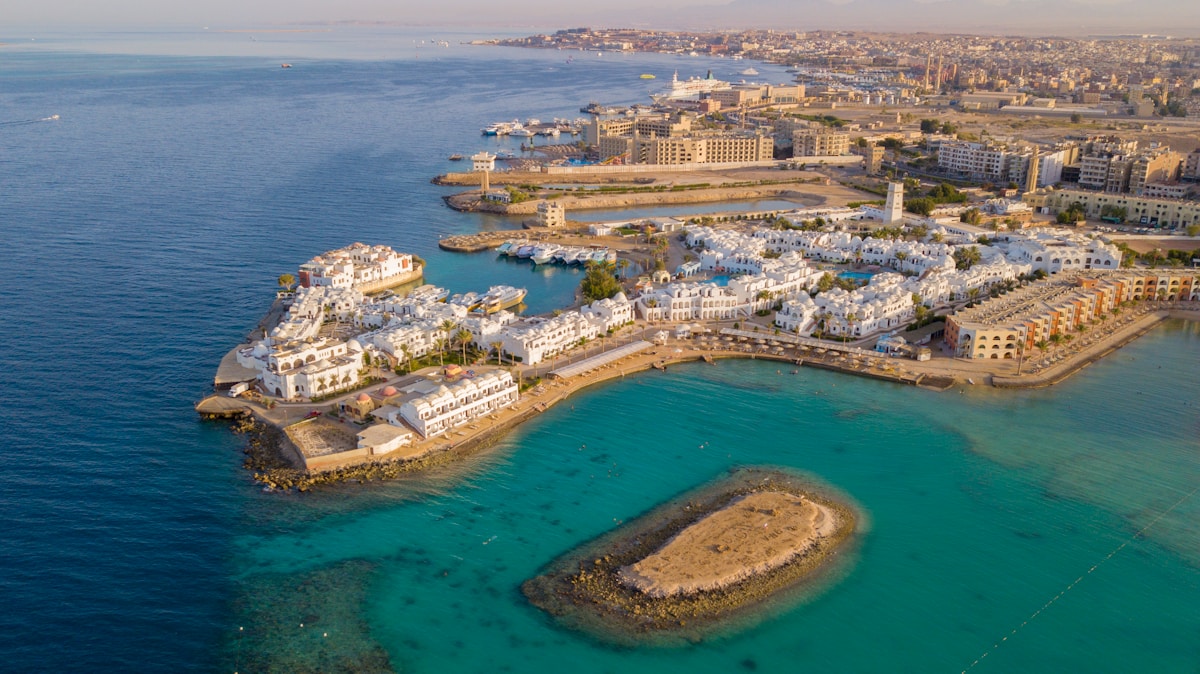
Red Sea coast (Hurghada, Sharm El Sheikh, Dahab): Air temperatures of 35–40°C, but the sea breeze makes the coast far more tolerable than the interior. Water temperatures reach 28–29°C - warm enough to dive comfortably without a wetsuit, though a thin rashguard prevents jellyfish stings. Underwater visibility averages 20–30m and conditions are calm.
Sinai interior: Hot and dry. Dahab sits at sea level and mirrors the Red Sea coast. The mountainous interior around St Catherine’s is cooler at altitude (30–35°C by day, 15–18°C overnight) - one of the few places in Egypt where July nights are pleasant.
Red Sea Diving Conditions
July is excellent for diving. Water temperatures of 28–29°C mean long, comfortable dives without thermal stress. Visibility is typically 25–30m at sites like Ras Mohammed, the Thistlegorm wreck, and the Brothers Islands. Pelagic activity increases in summer - whale sharks are occasionally spotted at the southern sites (Elphinstone Reef, Daedalus Reef) between June and September. Liveaboard trips to the deep south run regularly and are cheaper than in the October–March peak.
Crowds and Pricing
July is the lowest point of the year for international tourism. Foreign visitor numbers at the Pyramids, Valley of the Kings, and Abu Simbel are a fraction of winter levels - photographers can find these sites virtually empty at opening time.
However, Egyptian domestic tourism peaks in July and August during school holidays. Red Sea resorts - particularly Hurghada and Ain Sokhna - fill with Egyptian families. Hotel prices at these resorts are moderate for international standards but elevated compared to their own off-season.
Search hotels in Egypt on Booking.com
Inland, prices are at annual lows. Mid-range Cairo hotels run 1,500–3,500 EGP per night, roughly 40–50% below November rates. Nile cruises between Luxor and Aswan are heavily discounted, though some operators reduce their July schedules due to low demand.
Festivals and Events
Eid al-Adha (date varies): Eid al-Adha follows the Islamic lunar calendar and falls in July in some years. It is a major public holiday lasting 3–4 days. Banks, government offices, and many businesses close. Domestic travel surges - trains, buses, and flights between Cairo and Upper Egypt sell out. Red Sea resort prices spike during Eid week. Book transport well ahead if your dates overlap.
Nile flood season (historical context): The ancient Nile flood - the event that shaped pharaonic civilisation - historically began in July. The Aswan High Dam eliminated flooding in the 1960s, but the Nile still rises measurably in July–August as Ethiopian monsoon rains feed Lake Nasser. This has no practical impact on travel but adds context when visiting temples where flood-level markings are still visible.
What to Do in July
- Red Sea diving and snorkelling: The primary reason to visit Egypt in July. Warm water, excellent visibility, and liveaboard trips at their cheapest
- Dawn pyramid visits: If you insist on seeing Giza, arrive at 8am opening and leave by 10am. Bring 2–3 litres of water per person
- Indoor museums: The Grand Egyptian Museum and Egyptian Museum (Tahrir) are air-conditioned. July is a good time for extended museum visits without feeling guilty about missing outdoor sites
- Sinai trekking: Mount Sinai sunrise hikes are feasible in summer with a very early start (1–2am departure). The St Catherine’s area is cooler than the coast
Where to Go in Egypt in July
- Cairo and the Pyramids: Cairo guide | Things to do in Cairo
- Luxor: Luxor guide | Valley of the Kings
- Aswan and Abu Simbel: Aswan guide | Abu Simbel
- Red Sea: Hurghada | Sharm El Sheikh | Dahab
Planning
See the best time to visit Egypt for a full month-by-month breakdown, or the Egypt travel budget guide for cost planning. Browse Egypt tours for july and book ahead if visiting during peak season.
Ready to Plan Your Trip?
Here are our most popular Egypt itineraries to help you make the most of your visit:
- 1-Week Egypt Itinerary
- 5 Days in Egypt
- 10-Day Egypt Itinerary
- 2 Weeks in Egypt
- Egypt Budget Itinerary
Plan Your Egypt Trip: Compare flights to Cairo · Travel insurance · Egypt eSIM