Cairo Travel Guide: Egypt's Capital
Cairo travel guide: Giza Pyramids (30–45 min), the Grand Egyptian Museum, Islamic Cairo, and Coptic Cairo - plan 3–5 days to see the highlights.
Guides for Cairo
Cairo is one of the world’s most densely populated cities - the metro area holds around 20 million people - and it shows in the traffic, the noise, and the scale of everything. It is also home to monuments that have no equal anywhere on earth. Getting the most out of Cairo means accepting the chaos and building in more time than you think you need.
The Pyramids and the Grand Egyptian Museum
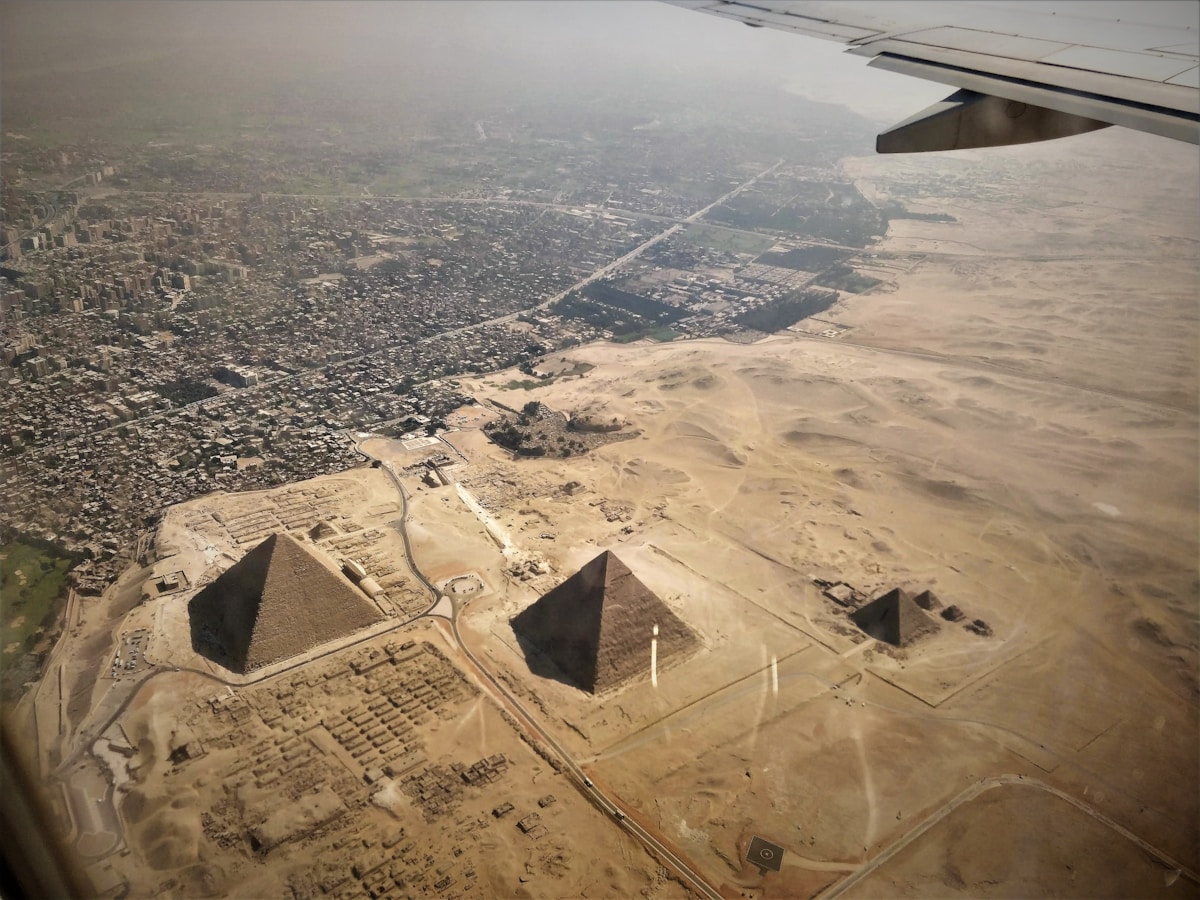
The Pyramids of Giza sit on the western edge of the city, technically in Giza Governorate rather than Cairo proper, but reachable in 30–45 minutes by Uber or Careem from central Cairo depending on traffic. The site includes the three main pyramids, the Great Sphinx, and several smaller satellite pyramids. Entry to the plateau and entry to individual pyramids are priced separately.
Adjacent to the plateau, the Grand Egyptian Museum (GEM) opened fully in 2023. It is the largest archaeological museum in the world and holds the complete treasures of Tutankhamun alongside thousands of other artefacts. The older Egyptian Museum on Tahrir Square remains open and is worth visiting for its atmosphere and scope, though GEM now holds the premier collection. For a guided visit combining the Pyramids, the Sphinx, and GEM with a licensed Egyptologist, browse Giza Pyramid tours and day trips.
Islamic Cairo
Islamic Cairo covers a broad area northeast of Downtown and contains the densest concentration of medieval Islamic monuments in the world. The Citadel of Saladin, built in the 12th century, dominates the skyline from the east and contains the Muhammad Ali Mosque - its Ottoman dome and twin minarets are the most recognisable silhouette in the city.
Below the Citadel, the Khan el-Khalili bazaar is Cairo’s historic trading quarter. It rewards slow walking: copper workshops, spice vendors, and coffee houses sit alongside obvious tourist shops. Al-Azhar Mosque, one of the world’s oldest universities (founded 970 CE), is a short walk away and open to non-Muslim visitors outside prayer times.
Coptic Cairo
Coptic Cairo occupies a compact area in the south of the city, Old Cairo district. The Hanging Church (Al-Muallaqah) dates to the 7th century and is built over the gatehouse towers of a Roman fortress - the name comes from its suspended nave. The Coptic Museum next door holds the finest collection of Coptic art in existence. The Ben Ezra Synagogue, one of Egypt’s oldest Jewish sites, is in the same enclosure. The area is walkable in two to three hours.
Neighbourhoods Worth Knowing
Downtown (Wust el-Balad): The commercial centre, built in the late 19th century on a Haussman-influenced grid. Slightly faded but lively, with the Egyptian Museum at one end and the Nile at the other.
Zamalek: A residential island in the Nile with embassies, cafes, galleries, and a calmer pace than the mainland. The Cairo Tower gives views over the city.
Ma’adi: Southern expat suburb with a suburban feel, good restaurants, and tree-lined streets. Less convenient for sightseeing.
Heliopolis: Northeastern suburb near the airport, with some Khedival-era architecture.
Getting Around Cairo
The Cairo Metro runs three lines and is the fastest way to cross the city - Line 2 connects Shubra in the north to Giza in the southwest, passing through Downtown. It is cheap, air-conditioned, and has women-only carriages on every train. Uber and Careem work reliably and are the recommended option for most tourist journeys; agree the price in-app before travel. Street taxis still operate but require negotiating fares upfront, which invites disputes. Tuk-tuks cover local areas not on metro routes.
When to Visit
October to April is the comfortable window. Winters are mild (15–20°C days), though evenings can be cold. From June through August, temperatures regularly exceed 40°C in Cairo and the city becomes difficult for extensive outdoor sightseeing. Ramadan (dates shift annually) brings quieter daytime streets but altered opening hours and a different atmosphere; it is not a bad time to visit but requires some adjustment.
Practical Notes
Egypt’s currency is the Egyptian Pound (EGP). The exchange rate fluctuates significantly - confirm current rates at the time of travel rather than relying on any figure published in advance. ATMs in central Cairo and at the airport dispense EGP reliably. Most tourist sites now require cashless or pre-paid entry. Dress conservatively when visiting mosques and religious sites; shoulders and knees should be covered, and shoes removed at mosque entrances.
For onward travel, Luxor is the most popular destination from Cairo - reachable by overnight train (approximately 10 hours), domestic flight (1 hour), or Nile cruise (a longer journey starting further south). Ready to explore the city? Browse Cairo tours and day trips to find guided Pyramids visits, Islamic Cairo walks, and Nile dinner cruises. If you’re deciding day by day, there are also last-minute tours available with next-day departures.
Search hotels in Cairo on Booking.com
Planning to Work Remotely?
Cairo is Egypt’s main base for digital nomads - coworking spaces in Zamalek and Maadi, reliable residential internet, and Uber-accessible city logistics make it function as a long-stay remote-work city despite its scale. See our full digital nomad guide to Cairo for neighbourhood breakdowns, coworking space prices, best cafes for remote work, and a monthly cost breakdown.
Cairo Guides
- Getting Around Cairo
- Cairo History
- Where to Stay in Cairo
- Best Cafes to Work From in Cairo
- Cairo Restaurants
- Cairo vs Alexandria: Which to Visit?
- Cairo vs Luxor: Which Should You Visit First?
- Cairo Day Tours
- Cooking Class in Cairo
- Fayoum and Wadi El-Rayan Day Trip
- Dahshur and Memphis
- Akhenaten and Amarna
- Egypt vs Morocco: Which to Visit?
Book an experience
Top experiences in Cairo
Explore the best tours and activities in Cairo , with instant confirmation and free cancellation on most bookings.