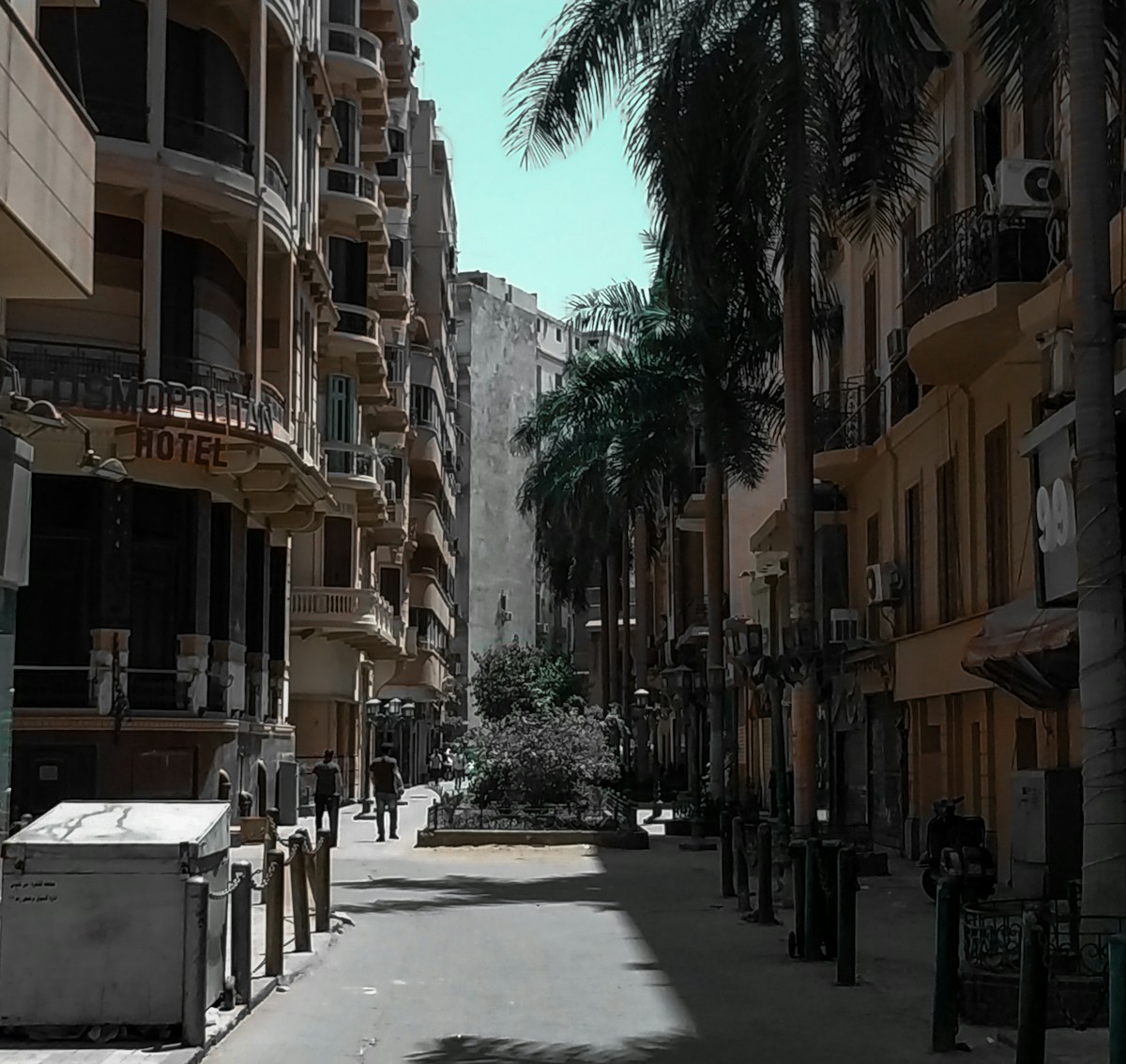
Cairo is one of the most demanding cities in the world to navigate, but what it asks of you it returns many times over. The range of things to do here - ancient, medieval, and modern - is matched by almost nowhere else on earth. Below is a practical guide to the highlights, sequenced in a way that makes logistical sense.
Grand Egyptian Museum (GEM)
The GEM opened in 2023 on the Giza Plateau, a short drive from the pyramids. It is the largest archaeological museum in the world and holds the complete collection of Tutankhamun’s tomb - including objects that were never displayed publicly before. The atrium alone is worth the ticket for the colossal Ramesses II statue, moved here from Ramses Square in 1954 and now dramatically displayed at scale. Timed entry is recommended; without a reservation, queues can be long during peak season. Budget a full morning.
Pyramids of Giza
The plateau holds the Great Pyramid of Khufu, the Pyramid of Khafre (still retains some original limestone casing at the top), and the smaller Pyramid of Menkaure. The Great Sphinx sits to the east of Khafre’s causeway. Entry to the plateau is a separate ticket from entry inside the pyramids - going inside the Great Pyramid is an additional cost and involves a physically demanding crawl through low tunnels; it’s not for everyone, but the experience of the burial chamber is singular. Arrive early in the morning before the heat and crowds build.
Islamic Cairo: Citadel, Al-Azhar, and Khan el-Khalili
This can be done in a single long day. Start at the Citadel - the hilltop fortress built by Saladin in the 12th century - for the Mohamed Ali Mosque and sweeping views over Cairo. A guided tour of Islamic Cairo covers the Citadel, Al-Azhar, and Khan el-Khalili in a logical walking route with historical context that the sites themselves don’t provide. Descend to Al-Azhar Mosque, one of the oldest universities in the world, still operating. From there, Khan el-Khalili bazaar is a few minutes’ walk - a working market since the 14th century, good for spices, silver, and the experience of the old commercial city. Muizz Street (Al-Muizz li-Din Allah) runs through the heart of Islamic Cairo, free to walk, and lined with Fatimid and Mamluk-era monuments for 1km.
Egyptian Museum, Tahrir
The 1902 red building on Tahrir Square remains one of the world’s great museums, even after significant collections moved to GEM. It holds tens of thousands of objects - mummies, statuary, papyri, grave goods - and the building itself is part of the visit. It is less curated than GEM and the labelling is inconsistent, but the sheer density of what’s here is extraordinary. Combine with a visit to the GEM rather than choosing between them.
Coptic Cairo
A distinct quarter south of Downtown, reachable via the Mar Girgis metro station. The Hanging Church (Al-Muallaqah) dates to the 4th or 5th century and is built over a Roman fortress gatehouse - the nave is suspended above the two towers. The Coptic Museum next door holds Coptic art from the 1st to 10th centuries. The nearby Ben Ezra Synagogue, one of Cairo’s oldest, sits within the same historic compound. The whole area takes 2–3 hours at a comfortable pace.
Nile Corniche and Felucca Rides
The Corniche along the Nile is Cairo’s main riverside promenade. For a felucca ride, the best departure point is near the Sofitel El Gezirah on Gezira Island, or from the Corniche near Dokki - negotiate directly with the captains. A sunset felucca with no particular destination (circuits of the river, an hour or so) is one of the more genuinely pleasant and affordable things to do in Cairo. Expect to pay EGP 100–200 for the boat.
Practical Notes
Use Uber or Careem for all transport - metered, no negotiation, and reliable. Street taxis involve fare negotiations that are rarely worth the effort for visitors. Arrive at all major sites early: the Giza plateau in particular becomes uncomfortably crowded and hot by 10am. Comfortable shoes are essential - the pyramid plateau is on sand and uneven stone, and Islamic Cairo involves considerable walking on uneven paving.
Book a Cairo Tour
Cairo’s major sites are manageable independently, but a guide adds real depth — especially at the Valley of the Kings equivalent here: the Egyptian Museum and Islamic Cairo. Here are the most-booked options.
| Tour | Duration | From | What’s included |
|---|---|---|---|
| Islamic Cairo & Khan el-Khalili guided tour | 5–6 hrs | ~$25 | Citadel, Al-Azhar Mosque, Khan el-Khalili, licensed Egyptologist guide |
| Giza Pyramids & Sphinx tour | 4–5 hrs | ~$30 | Giza plateau entry, Sphinx visit, professional guide, hotel pickup |
| Camel ride & quad bike at the Pyramids | 2 hrs | ~$40 | Camel ride, quad bike, panoramic views of all three pyramids |
See Also
- Cairo Travel Guide - accommodation, neighbourhoods, and logistics
- Pyramids of Giza: Complete Visitor Guide - ticketing, interiors, and what to expect
- Grand Egyptian Museum Guide - the Tutankhamun collection in full
- Egyptian Museum Cairo - the original Tahrir museum
- Islamic Cairo - detailed history of the Citadel, Al-Azhar, and the medieval city
- Coptic Cairo - the Hanging Church, Coptic Museum, and Ben Ezra Synagogue
- Cairo Restaurants Guide - where to eat near the main sites and in central neighbourhoods
- 3 Days in Cairo Itinerary - a day-by-day plan for first-time visitors