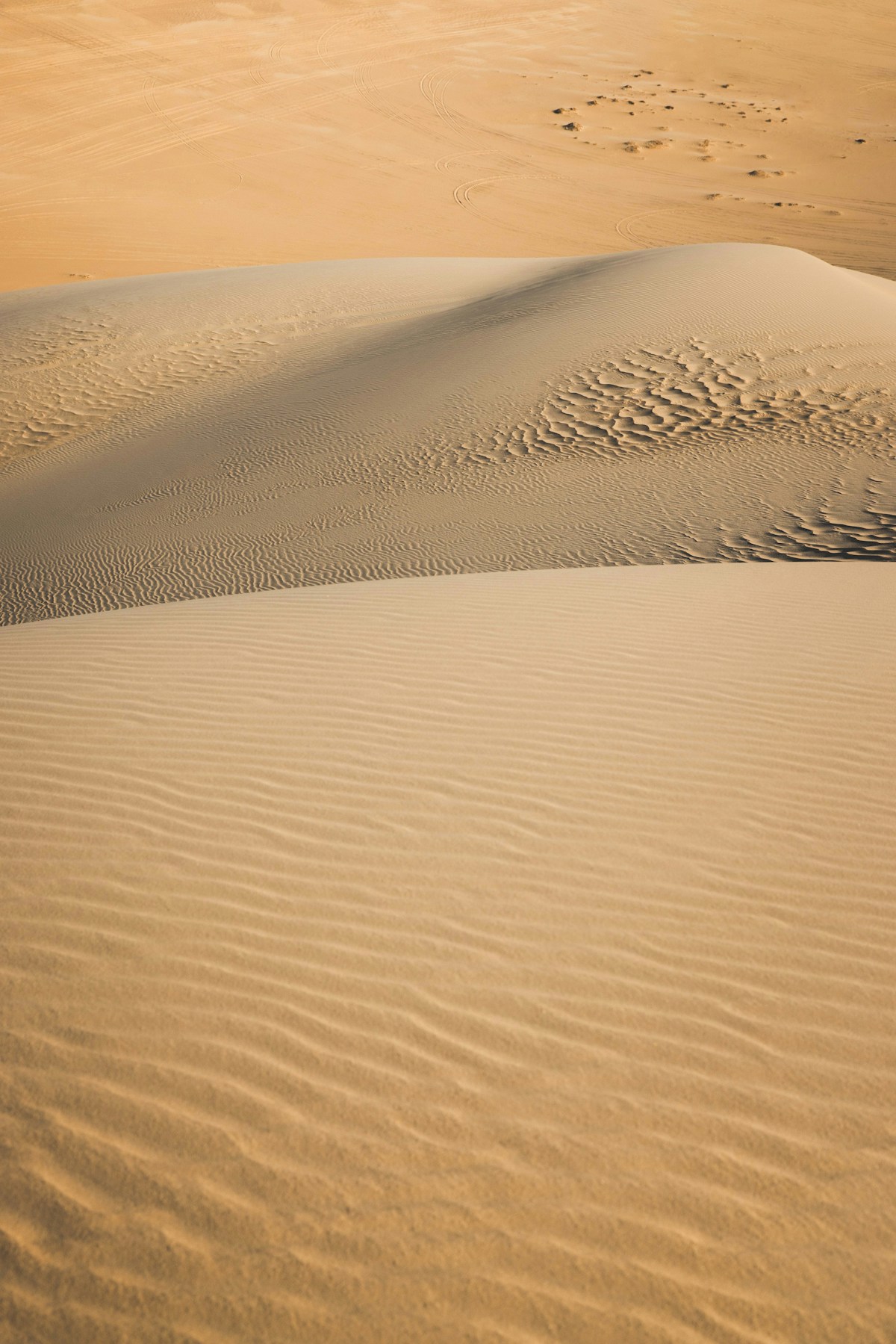
Egypt’s White Desert - officially the White Desert National Park - lies approximately 370km southwest of Cairo in the Western Desert. It is one of the most visually distinctive landscapes in the country: a wide plateau where wind erosion has carved chalk rock into hundreds of isolated formations, ranging from mushroom shapes to tall pinnacles to flat-topped inselbergs. The chalk is white-to-cream in direct sun and turns golden-orange at sunset. At night, the formations glow under moonlight.
The Bahariya Oasis, the nearest populated area, sits about 45km north of the White Desert and provides the logistical base for all tours. Most visitors pass through Bahariya to arrange guides, collect food and supplies, and visit sites in the surrounding Black Desert before heading to the White Desert for the night.
Getting There from Cairo
By private tour: The standard approach. Most Cairo-based tour operators and Bahariya-based guides collect from Cairo hotels in a 4WD vehicle and drive the approximately 370km to Bahariya, stopping en route for any attraction the group wants to see. The road is paved and straightforward. You can also browse White Desert day trips and overnight tours from Cairo to compare operators before arriving.
By public bus: Go Bus and other intercity services run between Cairo (from Mounib Bus Terminal in Giza) and Bahariya. Journey time is approximately 4.5–5 hours. Fares are around EGP 100–150 one way as of 2026. From Bahariya, you must then hire a local 4WD guide to enter the White Desert - you cannot get there by public transport.
By private car: The route is Cairo → Giza → Road 335 southwest through the desert. Standard passenger vehicles can reach Bahariya; a 4WD is required for the White Desert itself, which involves driving on sandy terrain.
Operators and What They Include
Most White Desert tours are organised through either Cairo-based operators or guides based in Bahariya itself. The Bahariya-based guides are generally less expensive and often have better local knowledge.
Reputable operators used by travellers as of 2026:
- Bahariya Eco Tours (based in Bahariya) - standard 2-day tours from approximately $80–100 per person including transport from Cairo, all meals, camping gear, and guide. Well-reviewed on TripAdvisor and Lonely Planet forums.
- Badawia Safari (based in Bahariya) - similar pricing and reputation; known for small-group tours (4–8 people maximum).
- Cairo-based operators: Multiple operators in Cairo offer White Desert packages; prices tend to be 20–40% higher than Bahariya-based guides for comparable itineraries. Convenient if you prefer the booking handled before arriving.
A standard 2-day tour includes:
- Pick-up from Cairo or Bahariya
- Drive to and through the Black Desert
- Visit to Crystal Mountain (a hillside of quartz crystals, approximately 30km before the White Desert)
- Lunch stop in or near Bahariya
- Entry into White Desert National Park
- 4WD driving among the chalk formations (sunset and golden-hour photography time)
- Overnight camp - sleeping bags, foam mats, and blankets provided by reputable operators
- Dinner cooked on camp stove (usually chicken, rice, vegetables)
- Sunrise in the White Desert
- Return to Cairo via Bahariya
What to bring beyond what operators provide:
- Extra layers for the night (fleece or light down jacket)
- Head torch / flashlight
- Personal medications and sunscreen
- A dust bandana or buff for the 4WD drive (dust is considerable)
- Camera with extra batteries - the cold at night drains batteries faster
Approximate costs:
- Bahariya-based guided 2-day tour: $80–110 per person (group tour, minimum 2–4 people)
- Private 2-day tour (vehicle and guide for 1–2 people): $150–200 per person
- 3-day extended tour adding Farafra and more of the White Desert: $130–170 per person (group)
All prices approximate as of 2026; verify with operators at the time of booking.
The Bahariya Oasis
Bahariya is a small oasis town of approximately 30,000 people. It is not a destination in itself but has several things worth seeing if you have time before or after the desert.
Tomb of the Golden Mummies: Discovered in 1996, this necropolis contained more than 250 mummies from the Greco-Roman period. A small museum at the site (entry approximately EGP 100 as of 2026) displays some of the finest examples. Not on the scale of Luxor, but significant.
Oasis hot springs: Several natural hot springs near Bahariya allow bathing. The Bir Ghaba spring has a shaded pool with warm sulphurous water - free to use. Popular with Egyptian visitors on weekends.
Black Desert: The drive from Bahariya south toward the White Desert passes through the Black Desert, where volcanic dolerite has coated the plateau in dark rock. The visual contrast with the white chalk to the south is striking. Short stops are built into most tours.
Where to stay in Bahariya:
- Desert Rose Eco Lodge: small desert lodge, approximately EGP 800–1,200 per night for a double room, good reviews
- Alpenblic Hotel: budget-friendly, EGP 400–600/night, reliable if basic
- Many tours include a night at a Bahariya lodge as part of a 2–3 night package
The White Desert National Park
The park entrance is approximately 45km south of Bahariya. Entry fee: approximately EGP 50–100 per person (as of 2026; verify at the gate). There is a checkpoint before the park where guides register.
What to see inside the park:
- Chicken and Mushroom formations: The most photographed chalk formations, shaped by millennia of wind erosion. Located in the central section of the park.
- Valley of Agabat: A collection of large chalk towers and flat-topped formations with a dramatic canyon feel. Included in 3-day tours but sometimes skipped in 2-day versions.
- Crystal Mountain: Just outside the park boundary on the highway - a hillside embedded with transparent quartz and calcite crystals. Worth a 20-minute stop.
Camping in the White Desert: There are no permanent camping facilities. Guides set up camp between formations - typically a clearing where you can see the stars without obstruction. A well-run camp has a camp stove, folding chairs, sleeping bags rated to 0°C, and a gas lantern. Sleeping directly under the chalk formations at night with the stars overhead is the defining experience of the trip.
Safety: Follow your guide’s advice about driving routes. The sand near dried lake beds (sabkha) can be soft enough to swallow a 4WD. Guides with experience know which areas to avoid. Do not walk far from camp after dark without a companion - the formations look identical in multiple directions and disorientation is easy.
Season and Conditions
| Season | Daytime Temp | Night Temp | Notes |
|---|---|---|---|
| October–November | 20–28°C | 8–14°C | Excellent. Quieter than winter |
| December–February | 12–20°C | 3–10°C | Most popular season. Cold nights |
| March–April | 22–32°C | 10–18°C | Good. Wind can carry dust |
| May–September | 35–45°C | 20–30°C | Possible but hot. Not recommended for hiking |
The White Desert is busiest on Egyptian long weekends (when Egyptian domestic tourists arrive in large numbers) and during European winter. If you want the camp to yourselves, weekday visits in October, November, or February are your best options.
See also: Desert Safari Egypt | Siwa Oasis Guide | Egypt Travel Budget