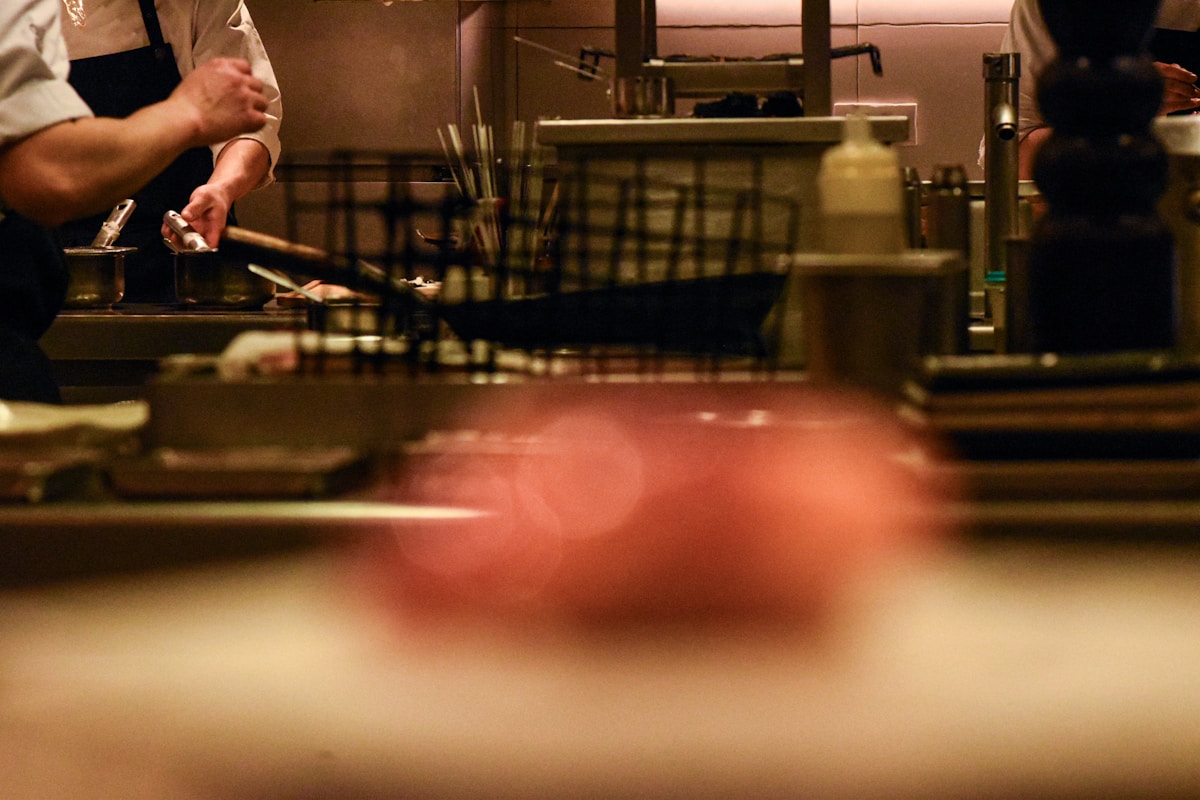
Egyptian cooking classes in Cairo follow a format that works well: a market walk to source ingredients, 2–3 hours of hands-on cooking, and a shared meal of everything prepared. The classes are accessible to all skill levels - Egyptian home cooking is direct and ingredient-focused rather than technically demanding.
What You’ll Cook
A standard 3–4 hour class covers 4–5 dishes. The typical lineup: koshary (the layered pasta, rice, lentil, and tomato sauce dish that is Egypt’s national staple), ful medames (slow-cooked fava beans), ta’ameya (Egyptian falafel made from fava beans rather than chickpeas), and mahshi (stuffed vegetables - peppers or courgettes filled with spiced rice). Most classes finish with one dessert: Om Ali (bread pudding with cream and nuts) or konafa (shredded pastry with cheese or cream filling).
This covers the core of Egyptian everyday cooking rather than restaurant-style dishes. What you make in the class is what people eat at home.
The Market Visit
Most reputable Cairo cooking classes begin with a neighbourhood market walk - typically Boulaq market or a similar local market rather than a tourist area. For spices, some operators walk through Khan el-Khalili, which is more atmospheric but more tourist-facing.
The market component is often the most valuable part of the experience. It introduces the ingredient culture - the spice blends, the fresh herb use, the way ingredients are sold and selected - before the cooking begins. Budget 45–60 minutes for this section.
Format and Group Size
Classes run in small groups (4–10 people) or privately. The setting is either a home kitchen belonging to the instructor or a dedicated cooking school space. Duration is typically 3–4 hours including the market walk and the meal at the end. Private classes offer more flexibility on timing and dishes; group classes are more sociable and significantly cheaper.
Cairo cooking experiences on GetYourGuide include verified reviews. Local operators are also advertised in guesthouses and boutique hotels, sometimes at lower prices than the platforms. Some food tour operators include a basic cooking component as part of a longer Cairo food walk - these are less immersive than a dedicated class but cover more ground.
Prices
Group class: approximately $40–80 per person, all ingredients and the meal included. Private class: $80–150 per person. These prices are consistent with cooking class pricing in Southeast Asia and southern Europe for comparable duration and quality.
Cooking Classes in Luxor
A small number of cooking experiences operate from Luxor, typically run by guesthouses on the West Bank. They are less formal than Cairo options and not always listed on platforms - ask your accommodation directly. The classes tend to be more intimate and family-style, focused on the same core dishes but in a domestic setting rather than a school environment.
How to Book
Cairo cooking classes are bookable through GetYourGuide and Airbnb Experiences, where operator reviews and booking confirmation are managed for you. Direct booking through the instructor is also possible and often comes at a slight discount - boutique hotels and hostels in the Islamic Cairo area frequently have flyers or recommendations on their noticeboards. We recommend browsing Cairo cooking experiences to compare formats and read reviews before committing to a specific class.
When comparing options, look for classes that include a market walk as part of the format rather than those that supply pre-sourced ingredients. The market component changes the experience considerably - it is where you learn about ingredient sourcing and Egyptian spice culture before any cooking begins.
Timing
Morning classes starting at 9–10am work best. The local markets are busier and more photogenic in the morning, and a class that ends at lunchtime leaves the afternoon free for other Cairo activities. Avoid booking a cooking class on the same day as a full Giza Pyramids or Egyptian Museum visit - the class requires 3–4 hours of real engagement and a compressed day does neither justice.
Dietary Requirements
Most Cairo cooking instructors accommodate vegetarians without issue - Egyptian home cooking is heavily vegetable and legume based. The core dishes covered (ful medames, ta’ameya, mahshi, and koshary) are all naturally meatless. Vegans should confirm in advance, as some desserts use cream (Om Ali) or cream cheese (konafa). Halal sourcing is standard across all Cairo cooking classes.
Who These Classes Suit
The classes work best for travellers who are already interested in Egyptian street food and want a more structured engagement with the cooking culture. The market walk gives context that restaurant visits and market browsing alone don’t provide. For those who find Cairo’s tourist sites sufficient, a cooking class is an optional addition; for food-oriented travellers, it’s one of the more engaging ways to spend a Cairo afternoon.