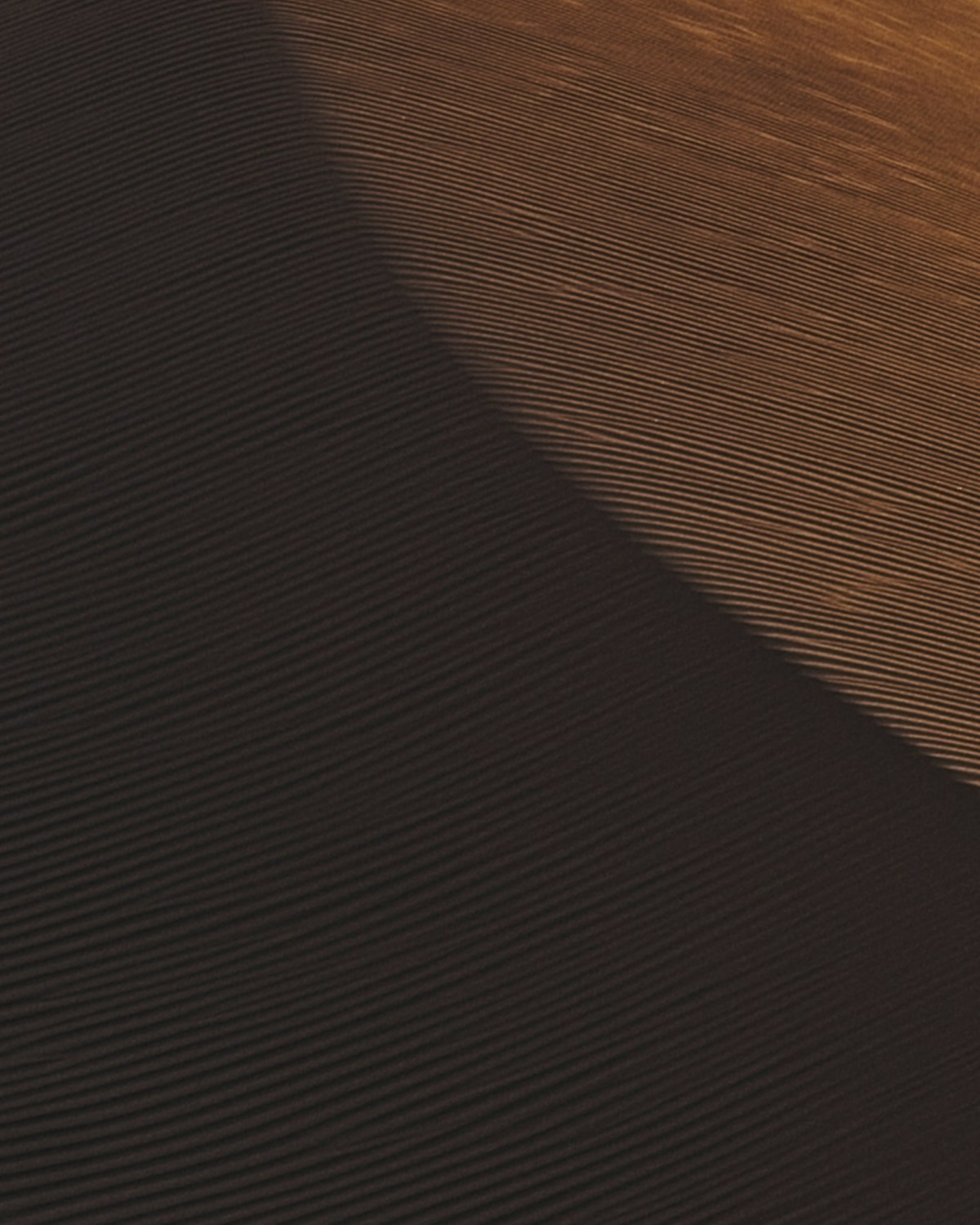
Egypt’s desert experiences divide between the Western Desert - a vast expanse of rock, sand, and chalk formations stretching toward Libya - and the Sinai Peninsula’s different desert character. For most travellers, the Western Desert is the destination. Two distinct areas are worth your time: the Siwa Oasis and Great Sand Sea in the north, and the White Desert accessed from Bahariya Oasis closer to Cairo.
The White Desert (Sahara el-Beyda)
The White Desert is one of the most genuinely unusual landscapes in Egypt. Wind erosion over millennia has sculpted chalk rock into formations that resemble oversized mushrooms, birds, and abstract shapes - all white against rust-coloured sand and a deep blue sky. The protected area sits 45km from Bahariya Oasis and 360km from Cairo.
Overnight camping inside the White Desert is the right way to experience it. The formations look different at every hour - stark at midday, golden at dusk, and extraordinary at night under clear skies without light pollution. A competent Bahariya operator sets up camp among the formations, cooks a simple desert meal, and drives you back out the following morning.
A standard two-night circuit from Cairo: Day 1 drive to Bahariya, afternoon visit to the Black Desert (volcanic basalt outcrops that turn the landscape dark, sharply different from the White Desert). Overnight camping in the White Desert. Day 3 drive back to Cairo. Crystal Mountain - a small ridge of quartz crystal - is a brief stop en route.
Siwa Oasis and the Great Sand Sea
Siwa is a separate entity - an oasis town close to the Libyan border in the northwest, 560km from Cairo. The Great Sand Sea beyond it is one of the largest sand seas on Earth: an immense, uninterrupted field of massive dunes extending toward Libya.
4WD tours from Siwa drive into the dunes for sandboarding, camping overnight in the open desert, and swimming in salt lakes on the way back. The scale of the sand sea is what stays with you - these are not small dunes. The silence and emptiness at the centre of the Great Sand Sea is difficult to find elsewhere.
Siwa town itself has its own character: an ancient Berber community, palm groves and olive trees, a ruined medieval citadel, and the Oracle Temple where Alexander the Great consulted the oracle in 331 BC. It warrants a full day before or after the desert excursion.
Getting to Siwa requires more commitment than the White Desert - it’s a 7–8 hour bus journey from Cairo or a long drive. Most travellers who go spend at least two nights.
Safety and Logistics
The Western Desert requires a guide and 4WD for off-road sections. Do not drive independently into the open desert without experience, GPS, and adequate water. The terrain is disorienting; what looks like a navigable route can deadend in soft sand. Most Bahariya operators are experienced and reliable - this is their livelihood and they know the routes well.
Off-road tyre deflation and reflation at the desert edge is standard practice and handled by operators.
Costs
Siwa 4WD day tours run approximately $30–60 per person (group rate). Multi-day tours from Siwa are priced similarly. Bahariya Oasis two-night camping tours from Cairo run approximately $100–200 per person depending on group size - smaller groups pay more per head. Most operators include transport, camping equipment, and meals. You can browse Egypt desert safari options to compare operators and read current reviews.
Best Season
October through March. Summer is extreme - plan around the heat if you’re visiting Egypt during warmer months, and consider other activities instead. The khamsin dust storms in spring (March–April) can disrupt plans; they arrive with little warning and can last multiple days.
Travelling soon? Check our Egypt last-minute tours for confirmed availability and instant booking.
See Also
- Siwa Oasis travel guide - the full guide to Siwa town, accommodation, and what to do beyond the dunes
- White Desert and Bahariya Oasis day trip - the dedicated page for the Bahariya circuit
- Best time to visit Egypt - seasonal guide including khamsin season and desert heat