Siwa Oasis Travel Guide: Egypt's Remote Berber Desert Town
Siwa Oasis travel guide: Oracle Temple, Great Sand Sea dunes, Shali Fortress, freshwater springs, and getting there from Cairo.
Guides for Siwa
Siwa is an oasis town in Egypt’s Western Desert, 560km from Cairo and 50km from the Libyan border. It is one of the most culturally distinct destinations in Egypt - the population is primarily Berber Amazigh, with their own language (Siwi), traditional architecture built from salt clay and palm wood, and a way of life shaped more by agriculture and springs than by the Nile. It rewards travellers willing to make the journey with silence, scale, and genuine difference.
Getting There
The standard route from Cairo is the overnight bus operated by West Delta Bus Company, departing from Cairo’s Turgoman Garage station. Journey time is approximately eight hours; tickets cost approximately EGP 180–250 (as of 2026). There is no train to Siwa and no commercial airport. Driving is also practical - the sealed road via Alexandria and Marsa Matruh is straightforward, roughly eight to nine hours from Cairo or five to six hours from Alexandria. The road is in good condition and well-signposted. A 4WD is not necessary for the main road, but adds significant flexibility for Great Sand Sea excursions.
The Oracle Temple and Ancient Siwa
The Temple of the Oracle of Amun stands at the edge of the old town. It was here, in 331 BC, that Alexander the Great made the journey from the coast to consult the oracle and was proclaimed son of Amun. The ruins are fragmentary but the setting - on a rocky outcrop above the oasis - is worth an hour of your time. Entry is approximately EGP 40–60 (as of 2026). The adjacent ruins of the Temple of Amun at Aghurmi, a few minutes’ walk away, are usually included in the same ticket.
Shali Fortress
The Shali Fortress is a ruined 13th-century settlement built from kershef - a local material made from salt clay and palm wood. It occupied the prominent hill in the centre of town until three days of heavy rain in 1926 caused severe structural collapse. What remains is an evocative ruin that you can walk through in part; the views over the oasis from the top are the best in town. Access is free and the fortress is well worth an evening visit at sunset.
The Great Sand Sea
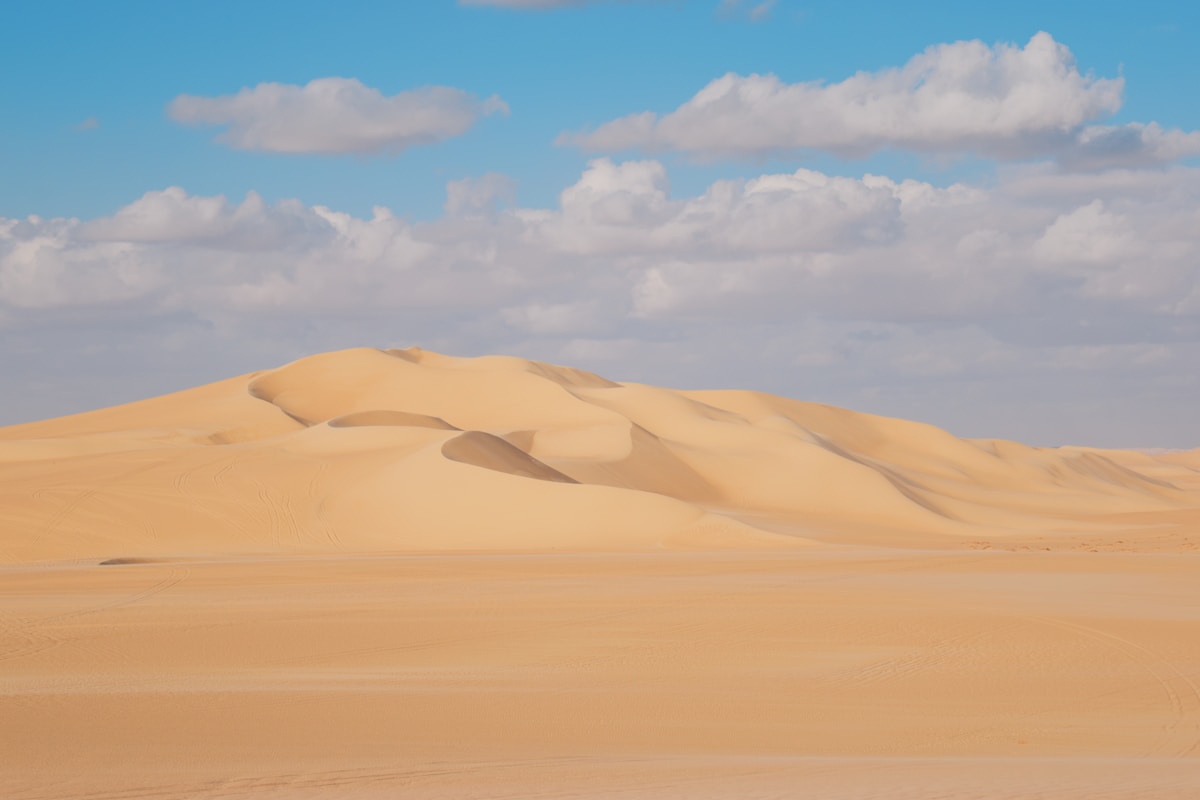
East of Siwa, the Great Sand Sea is one of the world’s largest erg systems, stretching across the Egyptian-Libyan border. 4WD excursions run from town - typically a half-day or full-day circuit through the dunes with stops for sandboarding and at freshwater springs in the desert. Sunset from the dunes is the standard highlight. Most guesthouses arrange this; prices range from approximately $30–50 per person for a half-day group trip to $80–120 per person for a private full-day with meals. Compare at least two or three operators as quality and vehicle condition varies. You can also browse Siwa Oasis tours and excursions for guided options with reviews.
Springs and Swimming
Cleopatra’s Bath is a natural spring pool near the old town - cold, freshwater, and genuinely swimmable. The Cleopatra connection is not historically verified, but the spring itself is real. Entry is approximately EGP 20. Fatnas Island, 5km west of town, sits on a saltwater lake with a small palm garden and is the standard sunset spot; it costs approximately EGP 20–30 to enter and is best reached by bicycle.
A bicycle is the best way to get around Siwa: distances are short, the town is flat, and the roads are quiet. Rental costs approximately EGP 50–80 per day from shops near the main square.
Where to Stay in Siwa
Siwa’s accommodation ranges from budget guesthouses near the town square to eco-lodges built from kershef that blend into the desert landscape.
- Budget (approximately $15–30/night): Palm Trees Hotel and Yousef Hotel are both in the town centre - clean, basic, and good value. Run by local families.
- Mid-range (approximately $50–90/night): Siwa Safari Paradise Hotel - reasonable standard, garden, outdoor pool, within walking distance of the old town.
- Upmarket (approximately $120–220/night): Shali Resort and Adrere Amellal are the two stand-out eco-lodge properties. Adrere Amellal in particular is one of Egypt’s most compelling places to stay - built from kershef beside a salt lake, with no electricity (candles and lanterns), excellent local food, and an exceptional setting. Book well in advance; it has limited rooms and a loyal following.
Best Time to Visit
October through March is the ideal window. Temperatures are comfortable (15–25°C by day), the date harvest happens in October, and the oasis is at its most liveable. The annual Siwa Date Festival typically takes place in October - worth timing around if your schedule allows. Summer temperatures exceed 45°C and very few travellers visit in July and August.
Nearby
Most Siwa visits begin and end in Cairo, which is the natural departure and return point. Allow at least two to three days in Siwa; a rushed day trip is not practical given the distances involved. Some travellers combine Siwa with a coastal drive along the Mediterranean highway, including a stop at Marsa Matruh.
Siwa Guides
- Things to Do in Siwa
- Getting to Siwa
- Where to Stay in Siwa
- White Desert and Bahariya Oasis Day Trip - another Western Desert destination that pairs well with Siwa
- Best Time to Visit Egypt - October is ideal for Siwa’s date festival
- Getting Around Egypt - buses and road options for the Cairo–Siwa route
Upcoming Events in Siwa
Siwa Date and Olive Festival
siwa
Siwa Date and Olive Festival 2026, 9–11 October. Harvest celebration in the oasis with folklore music, traditional crafts, and local food.
Book an experience
Top experiences in Siwa
Explore the best tours and activities in Siwa , with instant confirmation and free cancellation on most bookings.