Most visitors to Luxor spend their days between the East Bank temples (Karnak, Luxor Temple) and the West Bank necropolis (Valley of the Kings, Medinet Habu). The temples north of Luxor - Dendera and Abydos - are on fewer itineraries, which is exactly why they are worth making the effort. Less crowding, extraordinary preservation, and two of the most atmospheric ancient sites in Egypt.
The trip requires an early start and a full day, but it is straightforward to organise from Luxor by private car, tour, or - for the more independent-minded - a combination of bus and local transport.
Abydos: Temple of Seti I
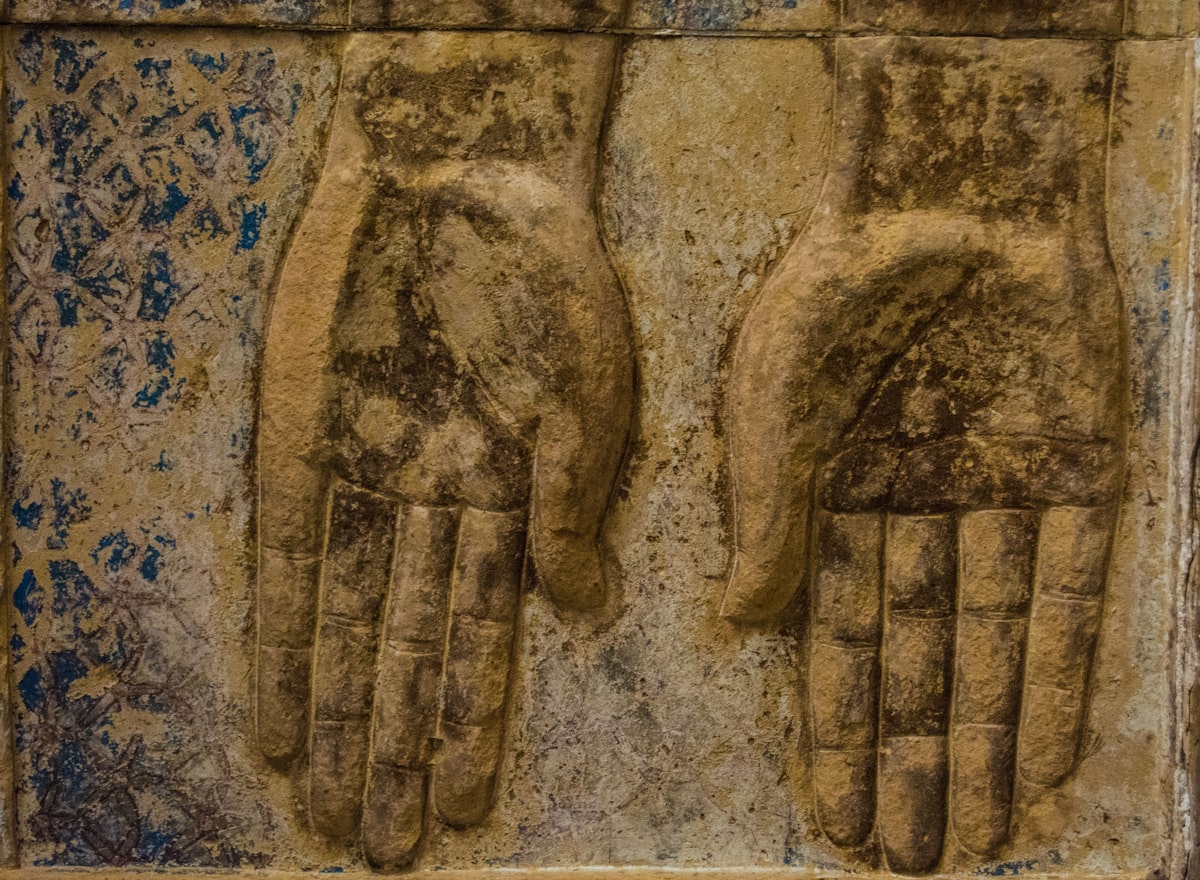
Abydos was one of ancient Egypt’s most sacred sites - the city was believed to be where Osiris was buried, making it a pilgrimage destination for over 3,000 years. The Temple of Seti I, built around 1279 BCE and completed by his son Ramesses II, is among the most finely decorated monuments in Egypt. Unlike many ancient temples stripped of their paint over centuries, Abydos retains vivid colour on sections of its painted walls - blues, reds, and ochres applied over 3,300 years ago.
What to see: The temple has seven parallel sanctuaries dedicated to Seti I himself, Ptah, Re-Horakhty, Amun, Osiris, Isis, and Horus - an unusual arrangement. The sanctuary of Osiris is particularly striking, with ceiling paintings of stars on deep blue backgrounds. The Gallery of the Kings (King List) shows Seti I and young Ramesses making offerings before cartouches of previous pharaohs - a genuine historical record that helped Egyptologists sequence the royal dynasties in the 19th century.
The Temple of Ramesses II sits nearby and is worth a brief visit for contrast - cruder in execution than Seti’s temple but with its own character.
Opening hours: Generally 8am–5pm, though hours can change seasonally. Arrive early - the site sees tour groups arriving from around 9am.
Entry fee: Approximately EGP 300–450 for foreign visitors as of 2026. Verify current fees before visiting - Egyptian antiquities entrance fees have increased several times in recent years.
Time needed: Allow 1.5–2.5 hours to see the main temple and the surrounding area at a reasonable pace.
Dendera: Temple of Hathor
Dendera sits roughly 60km north of Luxor, about an hour by road. The Temple of Hathor was built primarily during the Ptolemaic and Roman periods (approximately 54 BCE to 20 CE), making it one of Egypt’s best-preserved ancient temples - the roof is intact over large sections, which is exceptional.
What to see: The Hypostyle Hall at the entrance is immediately striking - columns with Hathor-headed capitals supporting a ceiling decorated with astronomical and mythological scenes. The colours in the innermost chambers, protected from the elements by the intact roof for over 2,000 years, retain extraordinary vibrancy.
The roof is accessible and provides one of the most dramatic views in ancient Egypt - looking out over the surrounding desert and agricultural land from a Ptolemaic temple roof while standing among painted reliefs. The New Year Chapel on the roof has famous ceiling paintings showing the sky goddess Nut.
The crypts beneath the temple (carved into the base of the walls) contain some of the most detailed relief work in Egypt, including depictions that have been interpreted in various ways over the years. The most famous is a relief often called the “Dendera lightbulb” - almost certainly a depiction of a lotus blossom and serpent with mythological meaning, but enough visual ambiguity to have generated considerable popular speculation. The crypt access is limited and may require an additional ticket or guide.
The Dendera Zodiac - a famous bas-relief circular depiction of the zodiac - was removed by the French in 1820 and the original is now in the Louvre. A replica sits in its original position in the pronaos.
Opening hours: Generally 7am–5pm. The site is less visited than the major Luxor temples and is often quieter.
Entry fee: Approximately EGP 300–450 for foreign visitors as of 2026. Roof access may carry a small additional charge.
Time needed: 1.5–2 hours for a thorough visit including the roof and the crypts.
Getting There from Luxor
By Private Car or Organised Tour
The most practical option for most visitors. A private car and driver from Luxor for the full day (both sites) costs approximately $50–80 USD as of 2026 - confirm prices before departure and agree on what is included (waiting time, tolls). Book through your hotel or a reputable Luxor tour operator.
Organised day tours including guide, driver, and entry fees typically run $60–100 USD per person. The advantage of an organised tour is the guide’s commentary at both sites, which adds substantial context. You can compare Luxor day tours and check operator reviews before committing to a provider. Dendera and Abydos have relatively little on-site interpretation in English compared to the Luxor sites.
The road north from Luxor runs through the Nile Valley - the drive passes agricultural land and small towns. Journey times: approximately 1 hour to Dendera (60km), approximately 2–2.5 hours to Abydos (160km).
By Bus and Microbus
Independent travel is possible but adds complexity. Buses from Luxor’s south bus station run to Qena (the town nearest Dendera) and Balyana/Sohag (for Abydos). From Qena, microbuses or taxis cover the 5km to Dendera. From Balyana, a taxi to Abydos takes around 20 minutes.
The limitation is time: travel by public transport adds 2–3 hours compared to a direct private car, and the connections at each town require local knowledge. The cost saving over a private car is modest when considering the time involved. Public transport is a realistic option for travellers who have an extra day and enjoy independent travel logistics; less suited to a single-day combined visit.
From Cairo
An overnight Luxor trip from Cairo works as a base for both sites. Several Luxor tour operators include Dendera and Abydos as an add-on day to a standard Luxor programme. It is also possible to arrange a day trip that passes through Dendera (Qena) en route between Cairo and Luxor - relevant if you are doing the Cairo–Luxor overland trip by private car.
Practical Notes
Photography: Photography is permitted at both sites, including inside the temple chambers. Flash photography on wall paintings is not recommended and may be prohibited in specific chambers - confirm with guards on arrival. The lighting in the crypts at Dendera is dim; a torch or phone light is useful.
Guides: Both sites benefit significantly from a guide or at least a guidebook with commentary. The mythology, historical sequencing, and iconography of Egyptian temples require context to be fully appreciated - without it, they can feel like walls of undeciphered carvings. An English-speaking Egyptologist guide costs approximately $25–50 USD for the full day trip.
Timing: If combining both sites in one day, most experienced guides recommend visiting Abydos first (as it is further away) and Dendera on the return. Start as early as 6–7am if driving from Luxor.
Heat: Both sites involve extended walking in open areas. The temple interiors at Dendera are shaded, but the approach paths and the open court at Abydos are exposed. Pack water, wear sun protection, and plan visits for early morning if travelling in summer (May–September).
Combination with Luxor West Bank: If you have three or four days in Luxor, a typical schedule works well: Day 1 Karnak and Luxor Temple; Day 2 Valley of the Kings, Hatshepsut, Medinet Habu; Day 3 Dendera and Abydos. This covers the main sites without rushing any of them.
See our Luxor city guide and hot air balloon guide for the rest of your Luxor itinerary.