Egyptians are famously warm hosts, and visitors get enormous goodwill for even small gestures of cultural awareness. None of this is about walking on eggshells - Egypt has hosted tourists for two centuries and forgives honest mistakes instantly. But knowing the basics of greetings, dress, tipping, and Ramadan manners makes every interaction smoother and noticeably changes how people respond to you.
Greetings
The standard greeting is “as-salamu alaykum” (peace be upon you), answered with “wa alaykum as-salam”. A simple “salam” works everywhere, and “sabah el-kheir” (good morning) earns smiles. Handshakes are the norm between men, often warm and held longer than Westerners expect, sometimes accompanied by a hand to the chest afterwards - a gesture of sincerity you can mirror.
Between men and women, follow the other person’s lead: many Egyptian women, particularly religious ones, do not shake hands with men. If a hand is not offered, place your right hand over your heart and nod - universally understood and gracious. Use right hands for greeting, eating, and passing items; the left is traditionally considered unclean. A few words of Arabic transform interactions - our basic Arabic phrases guide covers the essentials.
Dress codes: it depends where you are
Egypt has three dress environments, and what is normal in one looks out of place in another:
- Cairo, Luxor, Aswan, and all rural areas: modest is the rule for everyone - shoulders and knees covered, nothing skin-tight or sheer. Lightweight loose cotton and linen serve you better in the heat anyway. Men in short shorts read as beachwear-in-the-city.
- Red Sea resorts (Hurghada, Sharm, El Gouna, Dahab): relaxed. Swimwear on resort beaches and pools, shorts and vests around town. Cover up when leaving resort areas for downtown markets or mosques.
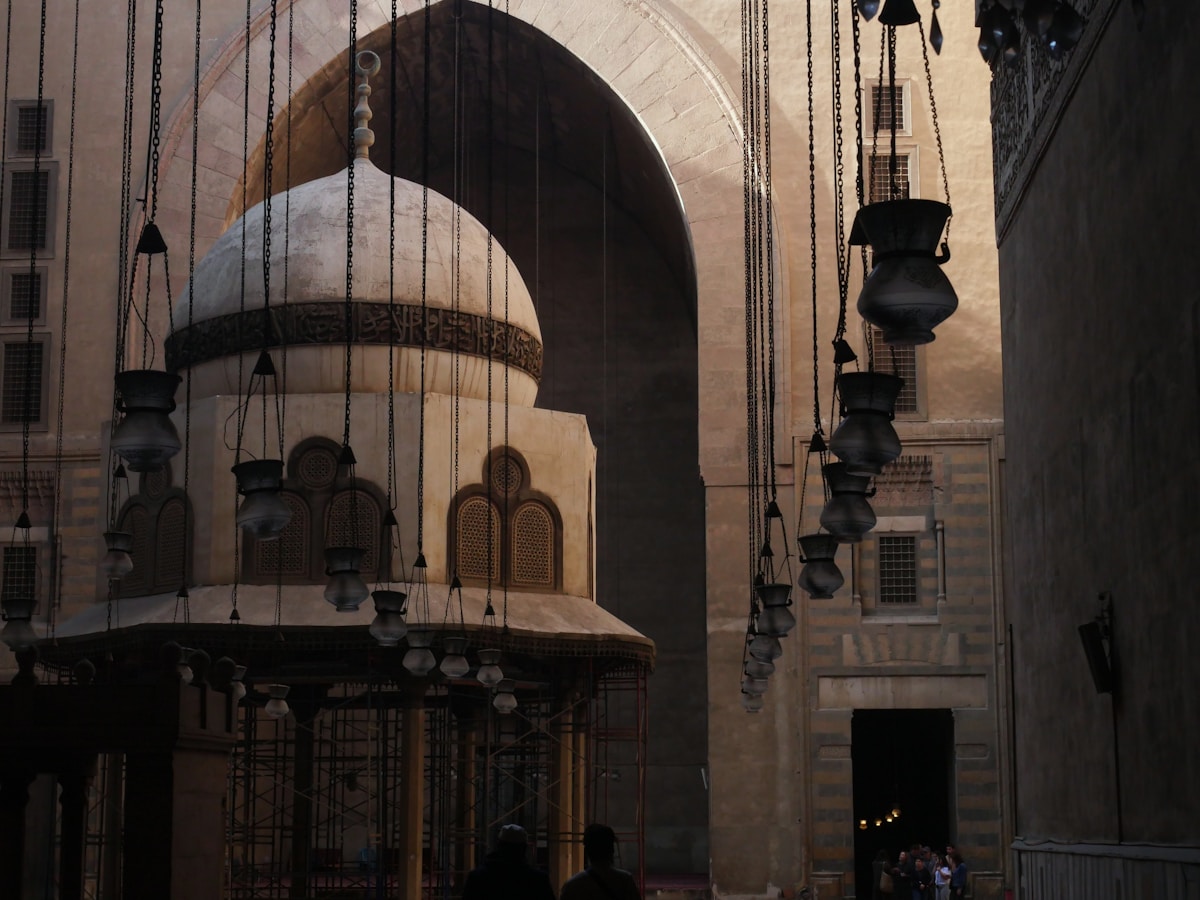
- Mosques: everyone removes shoes; women cover hair, arms, and legs (major mosques lend robes and scarves); men wear long trousers. Visitors are welcome in most historic mosques outside prayer times - behave as you would in any place of worship.
Our what to wear in Egypt guide covers packing in detail, month by month.
Ramadan etiquette for visitors
During Ramadan (which moves about 11 days earlier each year - verify dates for your trip), most Egyptian Muslims fast from dawn to sunset. Tourists are not expected to fast, and tourist restaurants, hotels, and sites stay open - but adjust your behaviour in public:
Search hotels in Egypt on Booking.com
- Avoid eating, drinking, and smoking on the street in daylight. Inside hotels and tourist restaurants is fine.
- Expect shifted rhythms: shorter site and shop hours, sleepy afternoons, and an explosion of life after sunset.
- Iftar - the sunset breaking of the fast - is the cultural highlight. If invited to join one, accept; if not, the street iftars and post-iftar evenings in Islamic Cairo are unforgettable. Our Ramadan in Egypt guide covers what visiting during the holy month is actually like.
- Alcohol availability narrows outside resorts; many venues serve hotel guests only.
Baksheesh and tipping as of 2026
Baksheesh - small, frequent tipping - lubricates daily life in Egypt and supplements genuinely low wages. It is expected, not optional, and budgeting a few dollars a day for it removes all the friction. Rough guideline amounts as of 2026:
| Situation | Amount |
|---|---|
| Bathroom attendant | EGP 5–10 |
| Hotel porter, per bag | EGP 20–50 |
| Restaurant (no service charge) | 10% |
| Driver, per day | EGP 100–200 |
| Egyptologist guide, per day | EGP 200–400+ |
| Temple guard showing you a detail | EGP 10–20 (only if you wanted it) |
Carry a stash of small notes - getting change for large bills is a national sport. A polite but firm “la shukran” (no thank you) ends unwanted offers of “help” that would otherwise become a baksheesh request. Full breakdowns by situation are in our Egypt tipping guide.
Haggling
In bazaars like Khan el-Khalili, haggling is the expected social ritual, not a confrontation. Opening prices for tourists commonly run two to four times the realistic price. Counter at a third to half of the opening price, keep it light and humorous, and walk away if the gap will not close - the price often drops as you go. Two rules keep it fair: never start negotiating for something you would not actually buy, and once a price is agreed, honour it. Fixed-price shops (pharmacies, groceries, restaurants with menus) do not haggle. For taxi fares, agree the price before getting in or insist on the meter - or use ride-hailing apps and skip the negotiation entirely.
Photography etiquette
- People: always ask first - a raised camera and a questioning look is enough. Many Egyptians say yes cheerfully; some will expect a small baksheesh, especially in photogenic “roles” (camel drivers, water sellers). Be especially careful photographing women without permission.
- Military, police, and infrastructure: do not photograph soldiers, police, checkpoints, bridges, the Suez Canal, or government buildings. This is taken seriously and can mean detained-and-deleted at best.
- Sites and museums: rules vary - some tombs and museums require a photo ticket, some ban flash, a few ban cameras outright. Signs are posted; guards enforce.
- Drones are effectively banned without near-impossible permits. Leave the drone at home - confiscation at the airport is routine.
Hospitality customs
Hospitality is central to Egyptian identity, and the offers are usually genuine. Expect to be offered tea (shai) or hibiscus (karkadeh) constantly - in shops, homes, offices. The graceful pattern is one polite refusal, then acceptance. Accepting a shopkeeper’s tea does not commit you to buying.
If invited to a home: bring a small gift (pastries or chocolates work; avoid alcohol unless certain it is welcome), accept second helpings - declining food entirely can disappoint a host - and leave a small amount on the plate to show you are satisfied. Compliments about children and home are gold. As anywhere, conversations about religion and politics are best led by your host, not you.
The short version
Dress modestly outside the resorts, ask before photographing people, never photograph anything military, carry small notes for baksheesh, haggle with a smile, accept the tea, and learn five words of Arabic. Do that and Egypt opens up - fewer hassles, better prices, and far warmer encounters. For the related question of staying out of trouble entirely, see our Egypt safety guide and common scams guide.
Practical essentials before you go: Get Egypt travel insurance with emergency evacuation cover, and arrange connectivity with an eSIM for Egypt to stay in touch while you travel.
See also: Egypt Tipping Guide | What to Wear in Egypt | Basic Arabic Phrases
Guided tours of Egypt are one of the easiest ways to navigate cultural norms with confidence - a local guide handles the etiquette in mosques, souks, and historical sites naturally.
Ready to Plan Your Trip?
Here are our most popular Egypt itineraries to help you make the most of your visit: