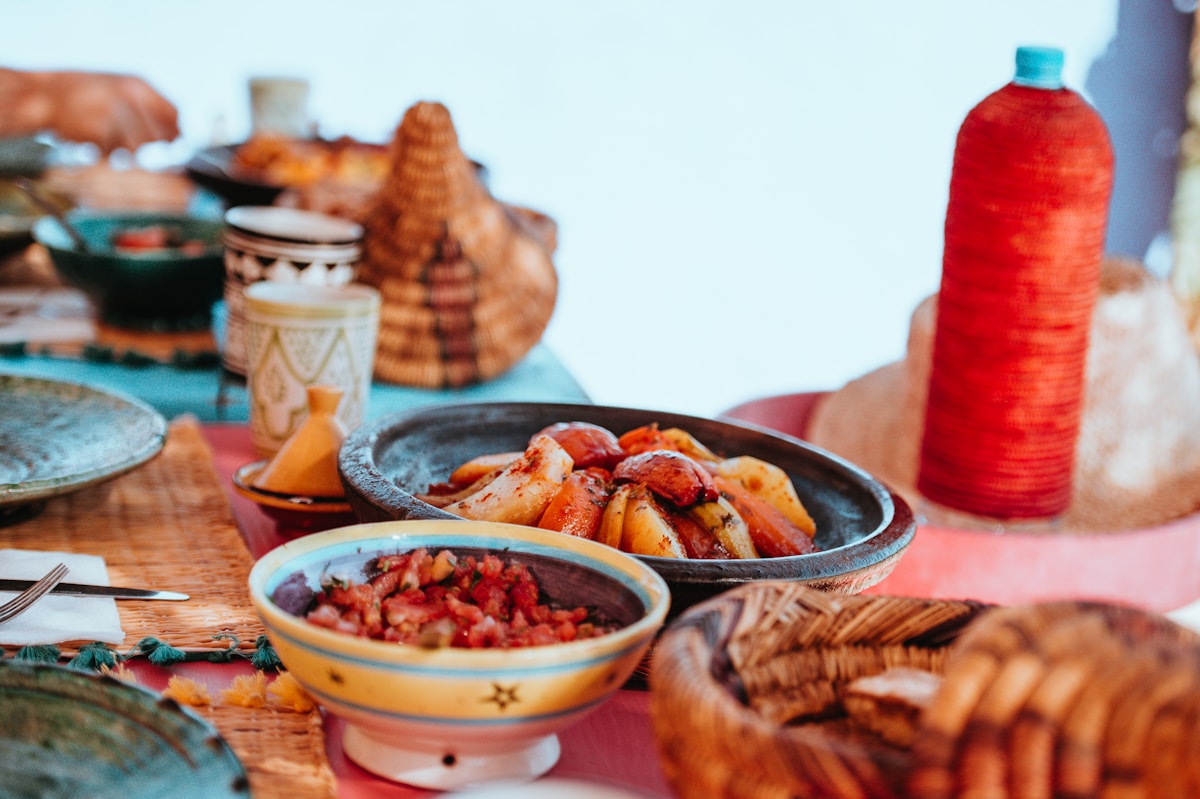
Ramadan is the Islamic month of fasting observed by Muslim Egyptians from dawn to sunset. For travellers, it changes the rhythm of the country considerably - quieter days, very lively evenings, and food that is only available during this month. Ramadan 2026 falls approximately 18 February to 20 March; exact dates shift annually with the lunar calendar and are announced officially each year.
What Ramadan Means for Daily Life
During daylight hours, observant Muslims in Egypt fast from food, drink, and smoking. Many restaurants outside hotels close during the day or operate reduced menus. Business hours shorten. The pace of the city slows noticeably. After sunset, the city comes alive - shops stay open late, streets fill, and the atmosphere in older neighbourhoods is genuinely celebratory.
How This Affects Visitors
Non-Muslim visitors are not expected to fast, but respectful behaviour in public is standard practice. Eating, drinking, and smoking in public during daylight hours should be avoided in traditional areas. Hotels operate their restaurants and services as normal throughout the day - the adjustment is more relevant when moving through the city.
Major tourist sites - the Giza Pyramids, the Egyptian Museum, the Luxor and Karnak Temples - remain open during Ramadan. Some sites operate reduced hours. Check before visiting.
Iftar: The Breaking of the Fast
Iftar is the meal that breaks the fast at sunset - approximately 7pm in spring. In Cairo, this is a genuinely communal experience. Long tables are set up in streets in older neighbourhoods. Some mosques and community groups provide free Iftar to anyone present, including tourists. The atmosphere in the hour before and after Iftar is among the most alive of any time in Cairo.
Ramadan Foods to Try
Konafa is the defining Ramadan dessert - shredded wheat pastry filled with cream, cheese, or nuts and soaked in sugar syrup. It is sold year-round but its quality and ubiquity peak during Ramadan. Do not leave Egypt during Ramadan without eating konafa.
Qatayef are stuffed pancakes filled with cheese or nuts, fried or baked and dipped in syrup. They appear only during Ramadan and are not reliably available at other times of year.
Dates are the traditional first food at Iftar, following the Prophet’s practice. Egyptian dates - particularly from Upper Egypt and the Siwa Oasis - are high quality.
Harira is a spiced lentil and tomato soup commonly served as a first course at Iftar. Fattah - layered bread, rice, and lamb with tomato sauce and garlic vinegar - appears at Eid celebrations at the end of the month.
Cairo’s Ramadan Nights
The Al-Hussein and Khan el-Khalili area is the most atmospheric part of Cairo during Ramadan evenings. After Iftar, the streets fill for hours with families, food vendors, and fanoos - the decorative Ramadan lanterns that appear throughout the neighbourhood. Stalls operate until 2–3am. The energy is unlike any other time of year.
The fanoos (lanterns) are sold from stalls throughout Khan el-Khalili from the first week of Ramadan onwards. Prices range from EGP 50 for a small plastic model to EGP 400–600 for a quality glass and metal lantern. They make practical souvenirs and are one of the few objects that are cheaper to buy during Ramadan than at other times. For konafa specifically, Abd El-Rahman Harafish in Islamic Cairo has been operating for generations and remains a reliable benchmark.
Suhoor
Suhoor is the pre-dawn meal eaten before the fast begins. In Cairo, restaurants and cafes near Islamic Cairo and Zamalek operate late into the night during Ramadan specifically to serve Suhoor. If you’re awake in the hours before dawn, these are worth seeking out - the atmosphere of a late-night Egyptian cafe during Ramadan is a distinct experience. The Suhoor meal is generally lighter than Iftar: soup, eggs, bread, and dates.
Practical Notes for Visitors
Museum and site hours change during Ramadan - the Egyptian Museum and Giza Pyramids typically operate on reduced schedules. The standard advice is to visit major sites in the morning before the midday heat and the pre-Iftar period, when staff energy and site management are at their lowest. Tour operators running guided Ramadan Iftar experiences in Cairo often include a community table dinner in a traditional setting - these book up quickly if Ramadan falls during a popular travel window (spring 2026 coincided with the European spring half-term). Book in advance if Ramadan overlaps with your dates.
Experience Ramadan with a Guided Iftar Tour
The Ramadan Iftar experience in Cairo’s Islamic neighbourhood — the communal tables, the lantern-lit lanes of Khan el-Khalili, the konafa stalls operating at full capacity from sunset — is most accessible with a guide who knows the neighbourhood and can navigate the evening crowds. Guided Ramadan Iftar experiences in Cairo typically include a community dinner in a traditional setting, a walk through the fanoos lantern market, and stops at the best seasonal street food vendors. Given how the Iftar crowds compress into specific streets at dusk, having local guidance makes the difference between a bewildering rush and a memorable evening. Browse Cairo Ramadan and Iftar tour experiences.
Eid al-Fitr
Eid al-Fitr marks the end of Ramadan - a three-day national holiday. It is a genuinely happy occasion, but expect near-complete business closures across the country during this period. Plan around it.
For timing your trip more broadly, see our best time to visit Egypt guide and the Cairo city guide. Guided tours in Egypt during Ramadan often include Iftar experiences and evening walks through the Khan el-Khalili lantern district. Given the shift in opening hours, travel insurance for Egypt is worth arranging before you travel in case of itinerary disruptions or unexpected medical needs.
Plan Your Trip
- Ramadan food tours in Cairo — Iftar experiences, lantern market walks, and evening food circuits
- Travel insurance for Egypt — covers itinerary disruptions and medical emergencies during Ramadan schedule changes
- eSIM for Egypt — data from the moment you land