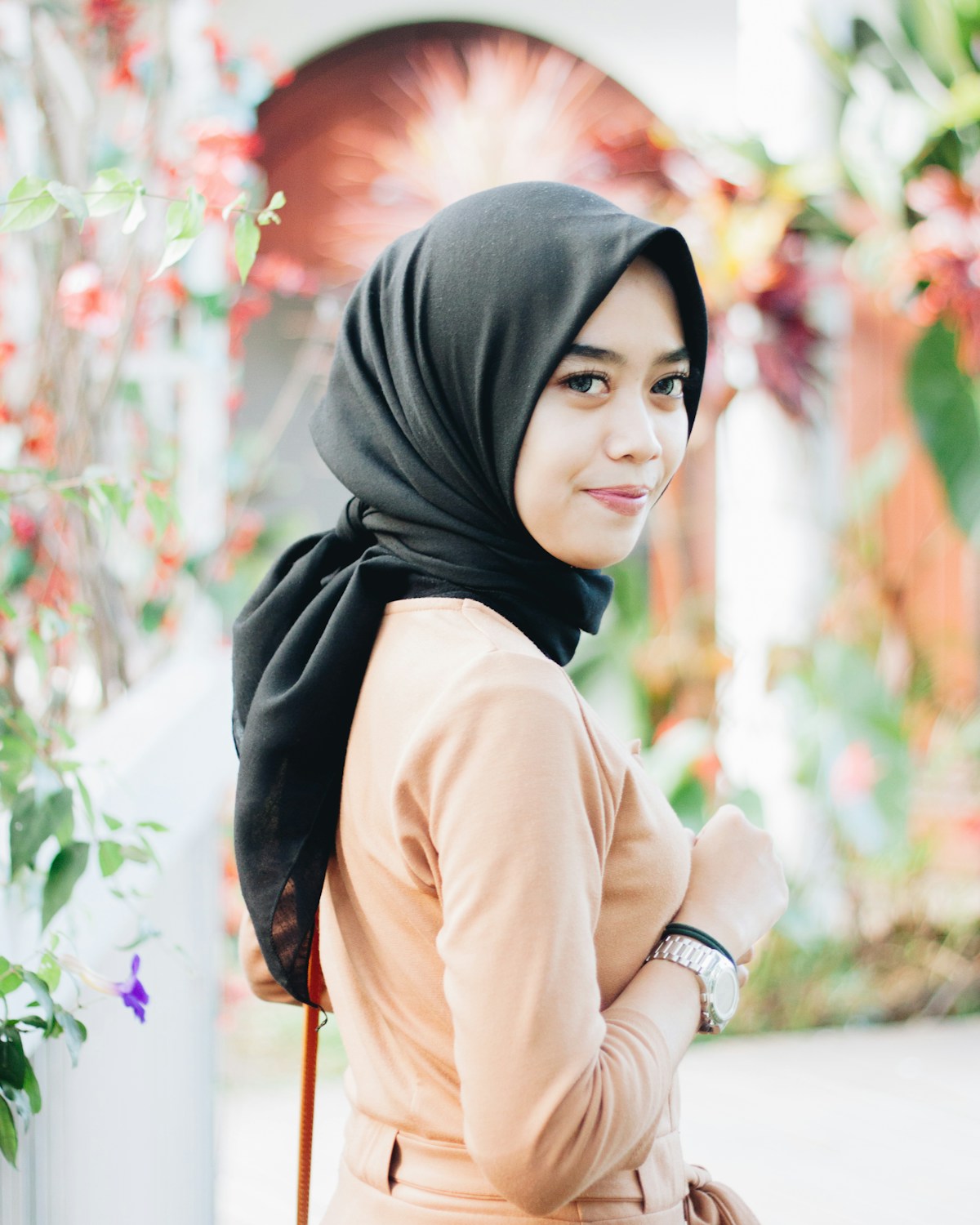
Packing for Egypt involves balancing two distinct environments: the conservative culture of cities, mosques, and upper Egypt; and the beach resort atmosphere of Hurghada, Sharm el-Sheikh, and Dahab. A well-planned wardrobe handles both.
Egypt is a Muslim-majority country. While tourists are not required to dress according to Islamic custom, dressing modestly in cities and at religious sites is respectful, practical (you will attract significantly less attention), and often genuinely more comfortable given the sun and heat. This guide focuses primarily on women travellers, who face more nuanced clothing decisions than men.
The Core Rule: Context Determines What Is Appropriate
Egypt is not uniform. Dress norms in Naama Bay, Sharm el-Sheikh, are essentially the same as any Mediterranean beach resort. The same clothing in Luxor city centre or Islamic Cairo would be out of place and generate persistent attention. Understanding which environment you are in - resort, city, sacred site - is the key.
Three zones:
- Beach resorts (Hurghada, Sharm, Dahab, Marsa Alam): Standard resort clothing. Swimwear at the beach and pool, shorts and T-shirts on the boardwalk.
- Cities and urban areas (Cairo, Alexandria, Luxor city, Aswan city): Cover shoulders and knees. Lightweight trousers, long skirts, loose tops. You do not need to cover your hair.
- Religious sites (mosques, Islamic Cairo, some Coptic churches): Cover hair and clothing should cover shoulders, arms, and legs. Shoes off at mosque entrances.
What to Pack: Recommended Clothing Items
Tops
- Loose linen or cotton shirts with sleeves - 3–4 in neutral or muted tones. Long-sleeved shirts in linen are cooler than T-shirts in direct sun, counterintuitively. They also protect against sunburn.
- Light-coloured T-shirts - 2–3 for resort sections of the trip. Avoid tight or low-cut styles in cities.
Bottoms
- Lightweight linen or cotton trousers - 2 pairs. Wide-leg styles are cooler than fitted; ankle-length is better than capri-length for city visits.
- A loose, mid-calf or ankle-length skirt - 1, for hot days in cities. Flows better than trousers in 40°C heat.
- Shorts - 1 pair, kept for beach/pool days at resorts. Not worn in cities.
- Swimsuit/bikini - 1–2, for resort sections. Modest one-piece swimsuits attract less attention; bikinis are standard at international resort beaches.
Scarves and Layers
- 2 large lightweight scarves - essential. Pashmina weight or similar. Used for mosque visits (hair and shoulders), temple sun cover, and general modesty.
- A light cardigan or denim shirt - for heavily air-conditioned restaurants, shopping centres, and overnight travel. Egypt’s air conditioning is aggressive.
Footwear
- Comfortable flat sandals with closed back - for cobbled streets, temple floors, and general walking. Slip-ons are practical at mosques.
- Trainers or walking shoes - for Luxor sites, Siwa, desert trips. Sandals do not work well on sandy or uneven terrain.
- Flip-flops - for resort beach sections only.
Accessories
- Sun hat with wide brim - critical. Egyptian sun is extreme. Baseball caps offer inadequate coverage for the neck and ears.
- Sunglasses - good UV protection, polarised if visiting water.
- A cross-body or zipped bag - not an open tote. Pickpocketing in crowded Cairo markets is a reality.
Visiting Mosques
Mosques in Egypt - including the historic mosques of Islamic Cairo - are open to visitors outside prayer times. The rules are consistent:
- Cover your hair completely with a scarf. Have it wrapped before entering.
- Cover shoulders, arms to the wrist, and legs to the ankle. Long loose trousers and a long-sleeved top work well.
- Remove shoes at the entrance. Carry a small bag for your shoes.
- Some mosques (such as Al-Azhar) provide robes or wraps for women who arrive improperly dressed - but carrying your own scarf is more practical than relying on this.
The Mosque of Muhammad Ali at the Cairo Citadel and the Mosque-Madrassa of Sultan Hassan are among the most visited. Both enforce modest dress consistently.
Visiting Pharaonic Sites
The ancient temples and tombs - Karnak, the Valley of the Kings, Luxor Temple, Abu Simbel - are not religious sites in the current active-worship sense. There are no formal dress codes. However:
- Sun exposure at these sites is intense. Light long-sleeved clothing is practical protection.
- Some sites involve crawling through tight passageways - comfortable flexible clothing is practical.
- Dust at desert sites clings to everything. Bring clothing you can wash easily.
Cairo: Practical Notes
Cairo is a large cosmopolitan city where the full range of dress norms coexists. In Zamalek, Maadi, and New Cairo, you will see women in all styles of dress. In Khan el-Khalili, Islamic Cairo, and working-class neighbourhoods, modest dress is the clear norm and will be respected.
As a tourist in Cairo, covering your knees and shoulders effectively prevents most of the persistent attention that some female travellers report in more exposed clothing. It does not eliminate it entirely - independent women travellers in Egypt will encounter some degree of street attention regardless of dress - but it reduces it meaningfully.
Common mistake: Wearing sleeveless tops, shorts, or form-fitting clothing in bazaar areas and expecting to browse undisturbed. These areas are not resort environments. The same clothing that is unremarkable in London or New York reads differently on Cairo’s streets.
Dealing with Heat
Egypt’s summer (June–August) is genuinely extreme, particularly in Luxor and Aswan where temperatures routinely reach 42–45°C. The instinct to wear as little as possible is understandable but counterproductive:
- Loose long-sleeved linen is cooler than skin exposure in direct sun. Skin absorbs solar radiation; loose linen reflects and insulates.
- Wear light-coloured clothing. Dark clothing absorbs heat.
- Wet a scarf and place it around your neck for instant cooling.
- Carry a small battery-powered fan for enclosed spaces.
Winter (November–February) in Egypt is mild - 20–25°C in Luxor and Cairo - but evenings can drop to 10–12°C, particularly in the desert. A light fleece or jacket is worth packing for evenings.
A Practical Packing List
For a 10-day trip combining Cairo, Luxor, Aswan, and a Red Sea resort:
| Item | Quantity |
|---|---|
| Linen loose long-sleeved shirts | 3 |
| Cotton T-shirts | 2 |
| Linen/cotton wide-leg trousers | 2 |
| Loose mid-calf skirt | 1 |
| Shorts | 1 |
| Swimsuit/bikini | 1–2 |
| Large lightweight scarves | 2 |
| Light cardigan | 1 |
| Comfortable flat sandals | 1 pair |
| Walking shoes/trainers | 1 pair |
| Flip-flops | 1 pair |
| Wide-brim sun hat | 1 |
| Cross-body zipped bag | 1 |
| SPF 50+ sunscreen | Essential |
| Insect repellent | For Nile areas |
This covers most Egypt trip configurations. If you are doing the Western Desert (White Desert, Bahariya, Siwa), add a fleece layer - desert nights drop sharply even in summer, and 4WD vehicle air conditioning can feel cold.
See also: Solo Travel in Egypt | Egypt Safety | Getting Around Egypt
Guided tours of Egypt are worth considering for first-time visitors - a good guide will also advise on appropriate dress at individual sites and navigate access requirements at mosques and ancient temples.
Ready to Plan Your Trip?
Here are our most popular Egypt itineraries to help you make the most of your visit: