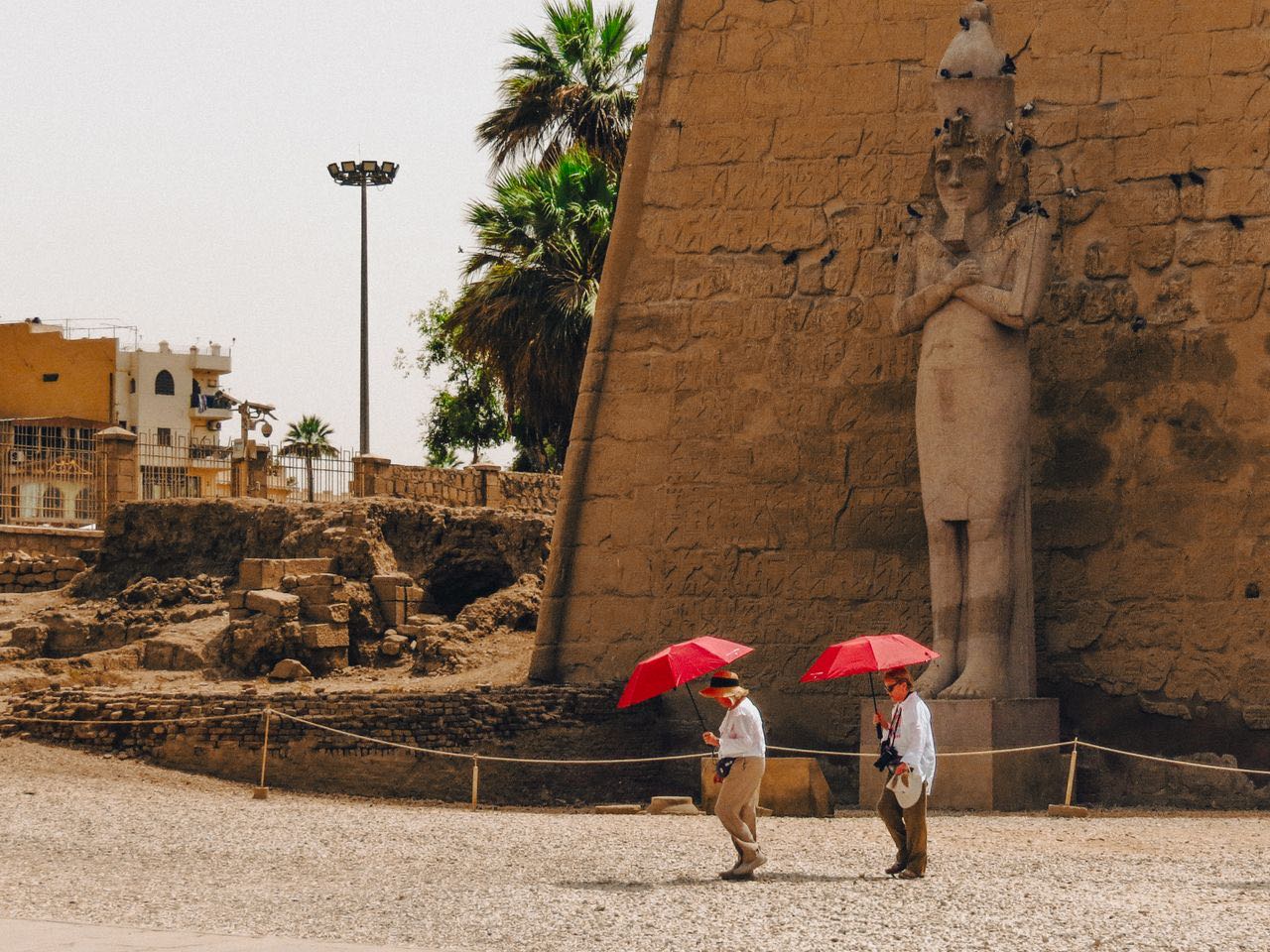
Luxor is defined almost entirely by its ancient monuments. The Valley of the Kings, Karnak Temple, Luxor Temple, the Colossi of Memnon, and the Mortuary Temple of Hatshepsut are all outdoor sites with limited shade. When to visit comes down almost entirely to how much heat you can handle, and whether you want to share those experiences with large tour groups or walk them at your own pace.
Best Months at a Glance
October through February gives you the most comfortable temperatures for Luxor’s outdoor archaeology. March and April are acceptable but warming. May through September is intensely hot - manageable in short bursts if you plan carefully, but physically demanding for a full sightseeing day.
High Season: December and January
December and January are Luxor’s busiest months. The temperature sits between 20-27°C during the day and drops to around 8-12°C at night - genuinely pleasant for walking temple complexes and riding a felucca on the Nile. This is also when Nile cruise ships run at near-full capacity; the standard four to five-day cruise from Luxor to Aswan (or the reverse) fills quickly and prices rise accordingly.
Karnak Temple is at its best in this period, both for early-morning visits and for the evening Sound and Light show, which runs most nights and is worth the two-hour investment. Tickets for the show can be purchased at the site. Luxor Temple opens until 9pm and is dramatically floodlit - one of the better evening experiences in Egypt.
The Valley of the Kings is busiest in December and January. A standard ticket covers entry to three tombs; the tomb of Tutankhamun requires a separate ticket of approximately EGP 400 (as of 2025). Arriving at the 6am opening time is important to beat the tour groups that arrive from 8am onward.
Shoulder Season: October to November and February to March
October and November are arguably the best months overall. Temperatures in October range from 24-34°C - still warm but not oppressive, and the evenings are comfortable. November cools further to 18-28°C. Visitor numbers are lower than December and prices on Nile cruises and hotels reflect this.
Hot air balloon flights over Luxor operate year-round, but October through March gives the most stable wind conditions. Flights depart before sunrise and land around 7am. From the balloon you see the full sweep of the West Bank temples and the edge of the Eastern Desert.
February is another strong month - quiet relative to January, with temperatures in the 20-25°C range and a full calendar of site openings. Felucca trips on the Nile are comfortable by day in February, and the winter light at golden hour is exceptional on the Luxor Temple columns.
March brings rising temperatures and occasional wind. Some years see brief dust events from the Sahara, but Luxor is generally less affected by khamsin than Cairo.
Summer and Heat Season: May to September
Luxor in summer is among the hottest places in Egypt. May begins the sharp temperature climb; June through September sees consistent daytime highs of 42-46°C, with nights rarely dropping below 28°C. The Valley of the Kings sits in a bowl of limestone hills that trap and radiate heat - by 10am in July it can feel significantly hotter inside the valley than the ambient air temperature.
Visiting in summer is possible but requires discipline: any outdoor site visit must be done before 8am or after 5pm. The tombs themselves are slightly cooler underground, but the walk between them in summer heat is taxing. Carry at least two litres of water, wear a hat, and treat the midday hours as off-limits for anything outdoors.
The upside is that summer Luxor is quiet. You may have large sections of Karnak or the West Bank to yourself, and hotels offer their lowest rates of the year.
Month-by-Month Summary
| Month | Temp (°C) | Notes |
|---|---|---|
| January | 8-22 | Peak season; very busy; book ahead |
| February | 10-24 | Quieter than January; excellent conditions |
| March | 13-28 | Warm and pleasant; low crowds |
| April | 18-35 | Heat building; morning visits essential |
| May | 22-40 | Very hot; early-only outdoor visits |
| June | 25-43 | Extreme heat; experienced travellers only |
| July | 27-45 | Hottest month; empty sites; challenging |
| August | 27-45 | Same as July; few tourists |
| September | 25-42 | Cooling slightly; still very hot |
| October | 19-34 | Best shoulder month; comfortable evenings |
| November | 14-28 | Excellent; cool mornings; low crowds |
| December | 10-23 | High season begins; busy but pleasant |
Plan Your Trip
Reserve your Nile cruise from Luxor to Aswan at least four to six weeks ahead if travelling in December or January, as quality boats fill early. Book hot air balloon flights directly with a licensed Luxor operator rather than through street touts - the cost is similar but the safety standards are verifiably better. For the Valley of the Kings, decide in advance whether Tutankhamun’s tomb is a priority and budget the EGP 400 separate ticket. Plan the Karnak Sound and Light show for your final evening in Luxor.
If you are planning around the total solar eclipse on 2 August 2027, which falls in Luxor’s hottest month, read our Luxor eclipse viewing and heat guide.