2-Week Egypt Itinerary: 14 Days from Cairo to Abu Simbel
Contents
- Days 1–3: Cairo
- Day 4: Day Trip to Alexandria
- Day 5: Fly Cairo → Hurghada or Sharm el-Sheikh
- Days 6–7: Red Sea
- Day 8: Fly to Luxor — East Bank Evening
- Day 9: Hot Air Balloon and Luxor West Bank
- Day 10: Luxor — East Bank and Luxor Museum
- Day 11: Luxor → Aswan — Philae Temple
- Day 12: Aswan
- Day 13: Abu Simbel Day Trip
- Day 14: Fly Aswan → Cairo and Depart
- Practical Notes
Fourteen days is enough to move through Egypt without rushing any single destination. This itinerary adds a Red Sea segment between Cairo and Luxor — two or three nights on the coast provide a different rhythm before the intensity of Upper Egypt. We also flag where a Nile cruise can replace the independent Luxor-to-Aswan leg.
Confirm your Egypt e-visa before booking. The online application is straightforward and approval usually comes within a few days.
Days 1–3: Cairo
Day 1: Pyramids of Giza in the morning (arrive before 8am), then the Grand Egyptian Museum in the afternoon. Pre-book GEM timed entry online; the Tutankhamun galleries alone take 2 hours. Purchase the complete Tutankhamun upgrade ticket when booking.
Day 2: Egyptian Museum at Tahrir Square — the Royal Mummies Hall is a separate ticket, worth buying. Afternoon: Islamic Cairo, the Citadel of Saladin, Al-Azhar Mosque and Khan el-Khalili bazaar.
Day 3: Coptic Cairo (Hanging Church, Babylon Fortress, Coptic Museum) in the morning. Afternoon at leisure — Cairo Tower for views, a walk through Zamalek, or revisit anything not yet covered.
Day 4: Day Trip to Alexandria
Bus to Alexandria (depart around 7am; 2.5 hours). Bibliotheca Alexandrina, Qaitbay Citadel (built on the site of the ancient Lighthouse), lunch at a Corniche fish restaurant, and the Catacombs of Kom el-Shoqafa. Return to Cairo by evening. This is a long but worthwhile day.
Day 5: Fly Cairo → Hurghada or Sharm el-Sheikh
Morning flight to the Red Sea coast. Hurghada (HRG) is closer to Cairo and more affordable. Sharm el-Sheikh (SSH) is better positioned for Sinai diving and the Ras Mohammed National Park. Check in to a resort and spend the afternoon at the beach. After four days of sightseeing, the pace change is welcome.
Days 6–7: Red Sea
Two days for diving, snorkelling, or simply the coast. The house reefs at many Hurghada and Sharm hotels are accessible directly from the beach or jetty. A full-day boat trip to Ras Mohammed National Park (from Sharm) or to the outer reefs (from Hurghada) gives better marine life than the inshore reefs.
If you’re not a certified diver, a guided snorkel trip to the shallows of Ras Mohammed or the reef off Naama Bay is accessible and worthwhile. Non-divers can also book intro dives through any resort dive centre.
Siwa alternative: If diving holds no interest, consider replacing these three Red Sea days with Siwa Oasis. Siwa is 8 hours from Cairo by road (buses depart from Turgoman), requires a minimum of 2 nights, and offers the Great Sand Sea, the Oracle of Amun temple and natural saltwater lakes. The logistics are more demanding than a Red Sea flight, but Siwa is one of the most distinctive destinations in Egypt.
Day 8: Fly to Luxor — East Bank Evening
Fly to Luxor (EgyptAir operates connections from Hurghada and Sharm via Cairo). Check in and head to Luxor Temple at dusk — it is lit at night and the Avenue of Sphinxes section is best walked in the early evening when the heat has dropped. The Karnak Temple complex can wait for morning; it is too large to rush.
Day 9: Hot Air Balloon and Luxor West Bank
Book a hot air balloon over Luxor the evening before — flights depart at approximately 5am. The view over the Theban necropolis at sunrise justifies the early start.
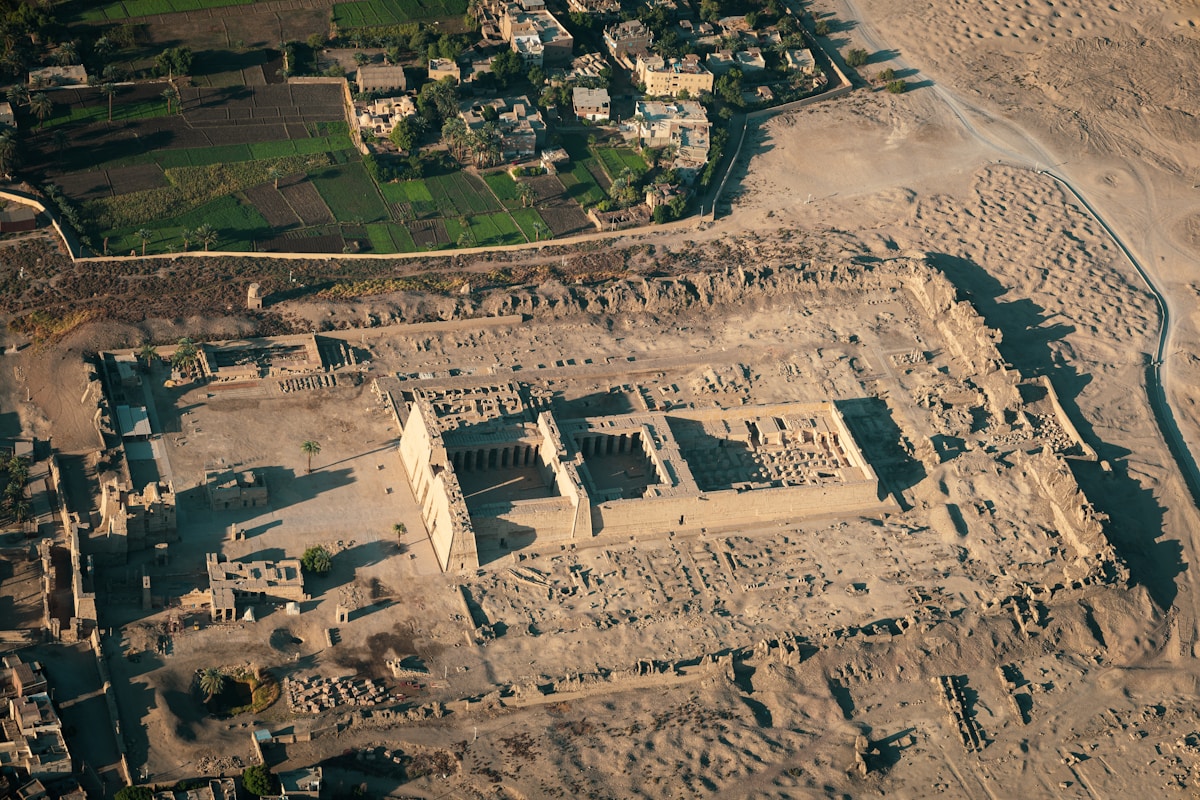
Valley of the Kings: standard ticket covers three tombs. KV62 (Tutankhamun) and the tomb of Seti I require separate tickets at the gate. Allow 2–3 hours. Hatshepsut Temple at Deir el-Bahari in the afternoon. Colossi of Memnon on the way back.
Day 10: Luxor — East Bank and Luxor Museum
Karnak Temple in the morning (allow 2 hours minimum for the Hypostyle Hall, Sacred Lake and Avenue of Rams). Luxor Museum in the afternoon — smaller and far less crowded than the Egyptian Museum in Cairo, with well-labelled pieces from the Theban region. This is the least rushed day in Luxor and worth treating as a slower, more reflective visit.
Nile cruise option: A 3-night cruise departing Luxor on Day 10 evening (or Day 11 morning) and arriving Aswan on Day 13 covers the temples at Esna, Edfu and Kom Ombo that most independent travellers miss. It replaces Days 11–13 of the hotel-based version below. Nile cruise formats range from budget overnight boats to five-star ships; both ends of the market are well catered for.
Day 11: Luxor → Aswan — Philae Temple
Train from Luxor to Aswan (2 hours in first class) or fly (30 minutes). Afternoon: motorboat to Philae Temple on Agilkia Island — a Ptolemaic complex dedicated to Isis, relocated in the 1970s. The island setting and carved reliefs are excellent. Evening walk along the Aswan Corniche.
Day 12: Aswan
Aswan High Dam in the morning, then Elephantine Island’s archaeological park. Afternoon: hire a felucca for a Nile crossing to the west bank and a Nubian village. The Nubian Museum near the Corniche is modern and well-curated — covers the culture and displacement of Nubian communities caused by the High Dam.
Day 13: Abu Simbel Day Trip
Fly from Aswan to Abu Simbel (45 minutes; EgyptAir operates morning departures). The temples of Ramesses II and Nefertari were relocated from their original cliff-side position in the 1960s. Allow 2 hours on-site. Return to Aswan by midday.
Day 14: Fly Aswan → Cairo and Depart
Fly Aswan to Cairo and connect to your international departure, or fly home directly from Aswan if your carrier serves ASW. If your flight is in the evening, a half-day in Cairo is possible — the GEM gift shop or a final lunch in Zamalek.
Practical Notes
Internal flights: use EgyptAir or Air Cairo. Book as early as possible — Cairo-Luxor and Aswan-Cairo routes fill during peak season (October–April).
Pre-book: GEM timed entry, Abu Simbel flight, and the KV62 separate ticket at the Valley of the Kings.
Tipping: budget EGP 3,000–4,000 across 14 days for guide and driver tips across all segments.
Transport: for moving around cities, Uber operates in Cairo, Luxor and Aswan and is more reliable than negotiating unmetered taxis. See our getting around Egypt guide for intercity options.
Book an experience
Itinerary in the area
Instant confirmation · Free cancellation on most bookings
Frequently Asked Questions
- Can I include both the Red Sea and the Nile Valley on a 2-week Egypt trip?
- Yes. Two nights in Hurghada or Sharm fits between Cairo and Luxor without disrupting the Nile Valley leg. Fly between all three segments and the logistics are straightforward.
- Is a Nile cruise better than independent travel for Luxor to Aswan?
- A cruise covers Esna, Edfu and Kom Ombo temples that independent travellers usually skip. If you have 3 nights to spare between Luxor and Aswan, a cruise is worth considering.
- Could I swap the Red Sea days for Siwa Oasis?
- Yes, but Siwa requires at least 2 nights and is 8 hours from Cairo by road. It suits travellers who prefer desert landscapes over diving. The logistics are more demanding than a Red Sea flight.
- What is the best exit airport after Abu Simbel?
- Fly Aswan to Cairo and connect internationally, or check if your carrier serves Aswan (ASW) directly. Hurghada and Sharm el-Sheikh are also options if you end the trip on the coast.