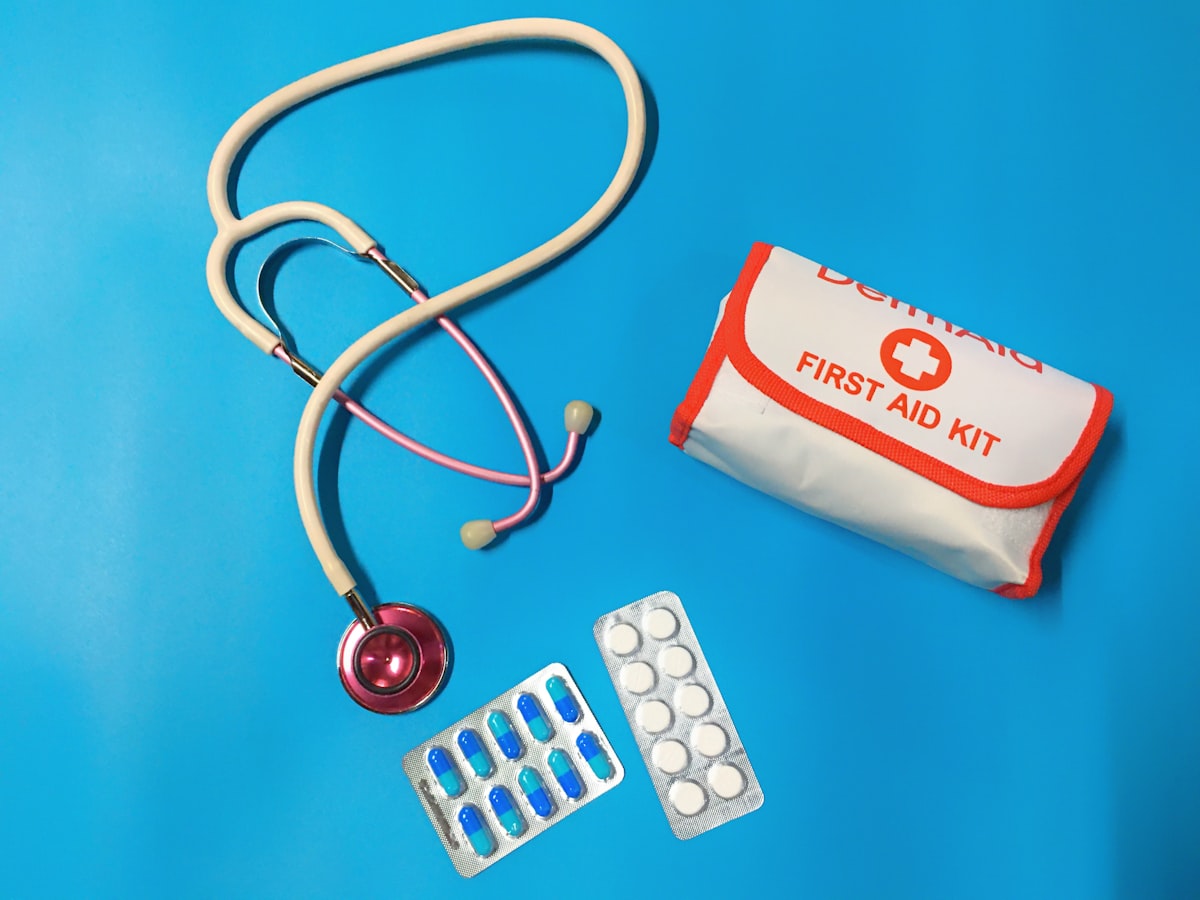
Egypt is generally a manageable destination from a health perspective for most travellers, but a few risks - stomach problems from food and water, sun exposure in intense summer heat, and the occasional insect-borne illness - are worth preparing for before you arrive. Knowing what vaccinations to get, how to handle pharmacies, and what the medical infrastructure looks like saves significant stress if something goes wrong mid-trip.
Recommended Vaccinations
No vaccination is mandatory for entry to Egypt unless you are arriving from a country with active yellow fever transmission, in which case a yellow fever vaccination certificate may be required.
For most travellers, the following vaccinations are recommended:
Hepatitis A - transmitted through contaminated food and water, both of which are realistic risks in Egypt. If you have not had hepatitis A before, this is the most consistently recommended vaccine for Egypt travel.
Typhoid - another food- and water-borne illness. The oral vaccine (Vivotif) or the injectable Typhim Vi are both options; consult your travel clinic on which suits your circumstances. The vaccine is not 100% effective, so food hygiene caution remains relevant even if vaccinated.
Hepatitis B - recommended if you expect to have medical procedures, dental treatment, blood transfusions, or sexual contact during your trip. Standard recommendation for most travellers to Egypt.
Routine jabs - confirm that tetanus-diphtheria-pertussis (Tdap), measles-mumps-rubella (MMR), and polio boosters are up to date. Many adults find boosters are overdue when they check before a trip.
Rabies - recommended for travellers spending extended time in rural areas, animal handlers, or anyone unlikely to have rapid access to medical care if bitten. Egypt has a stray dog and cat population in cities, and risk exists though it is not high for typical short-stay visitors.
Book an appointment with a travel health clinic 6–8 weeks before departure to allow time for multi-dose vaccines and to discuss your specific itinerary. A Nile cruise and a Sharm el-Sheikh beach holiday carry different risk profiles.
Stomach Health and Food Safety
Traveller’s diarrhoea is the most common health problem among visitors to Egypt. The cause is usually bacterial contamination in food, rather than tap water directly - though tap water is also a risk if consumed.
Realistic precautions:
- Eat at restaurants with high turnover and visible cooking, rather than buffets that have been sitting out
- Avoid raw salads, unpeeled fruit you didn’t peel yourself, ice in drinks (which is made from tap water), and cold meat dishes
- Stick to hot, freshly cooked food wherever possible
- Street food is not inherently more risky than restaurant food - it depends on the specific vendor and their practice
What to pack:
- Oral rehydration salts (ORS) - available in Egypt but pack some anyway
- Ciprofloxacin or azithromycin (prescription antibiotics) - many travel doctors will prescribe a course to take if severe symptoms develop. Discuss this with your GP or travel clinic before travelling.
- Loperamide (Imodium) for symptom control - useful for managing symptoms when access to a toilet is limited
Most cases resolve within 2–3 days with rest and rehydration. If symptoms include high fever, blood in stool, or persist beyond 5 days, seek medical attention.
Water Safety
Tap water is treated and technically meets Egyptian standards, but it is not safe for visitors to drink directly. The combination of different water chemistry, occasional pipe contamination, and microorganisms that locals may have resistance to means stomach problems from tap water are a real risk.
What to do:
- Drink bottled water only - 1.5-litre bottles cost approximately EGP 5–10 as of 2026 and are available everywhere
- Use bottled water for brushing teeth, particularly in the early days of your trip
- Avoid ice in restaurants and cafes unless you are confident it comes from a filtered source (higher-end hotels and restaurants generally use filtered ice)
- Fruit juices squeezed fresh at juice bars are generally fine if made from whole fruit, not diluted with tap water
In hotels, ask whether the filtered water tap in your room (if present) is a reverse osmosis system or simply tap water. Large resort hotels typically provide drinking water in rooms.
Sun and Heat
Egypt’s summer sun is severe. UV index regularly reaches 10–11 in Cairo during July and August, and temperatures in Upper Egypt (Luxor, Aswan) regularly exceed 40°C. Even outside summer, winter midday sun in Egypt is strong by European standards.
Practical measures:
- SPF 50 sunscreen, reapplied every 2 hours during outdoor sightseeing
- Cover shoulders and head during midday hours (11am–3pm) - more effective than sunscreen alone
- Carry water and drink more than you think you need in heat
- Schedule outdoor temple and archaeological visits for early morning (before 9am) or late afternoon (after 4pm) where possible - sites are both cooler and less crowded
Heat exhaustion can develop quickly when sightseeing in desert sites in summer. If you feel dizzy, develop a headache, or stop sweating despite the heat, move to shade, drink water with electrolytes, and rest. Avoid alcohol in hot conditions.
Pharmacies
Pharmacies (farmacias - look for the green cross sign) are widespread in all Egyptian cities, resort towns, and most large villages along the Nile tourist corridor. In Cairo, there is typically a pharmacy within walking distance throughout the city. In resort areas like Hurghada, Sharm el-Sheikh, and Dahab, pharmacies cater specifically to international visitors and most pharmacists speak some English.
Many medications that require prescriptions in Europe or North America are sold over the counter in Egyptian pharmacies, including:
- Antibiotics (including ciprofloxacin)
- Antifungal medications
- Stronger pain relief (codeine-based)
- Oral contraceptives
Prices are significantly lower than in Western Europe. The trade-off is that some medications may be counterfeit or improperly stored - buying from well-established pharmacies in tourist areas carries less risk than from very small outlets.
Hospitals and Medical Care
Cairo: Private hospitals with English-speaking staff and international standard equipment include As-Salam International Hospital in Maadi, Cairo Medical Centre, and Cleopatra Hospital. For serious medical issues, private hospitals in Cairo are generally preferred over government facilities by international visitors.
Hurghada: Hurghada International Hospital and El Gouna Hospital both have experience treating international visitors and diving-related injuries. El Gouna Hospital in particular is well equipped for dive emergencies given the volume of diving in the area.
Sharm el-Sheikh: Several private hospitals serve the resort town, including Sharm International Hospital. The area’s dive medicine experience is good given the volume of Red Sea diving.
Luxor and Aswan: Government hospitals in both cities can handle emergencies but facilities and English-language capability are more variable. For serious illness, medical evacuation to Cairo is often the recommended course.
Travel insurance: Medical care at private hospitals in Egypt is not cheap by local standards, though it remains considerably less expensive than equivalent private care in Western Europe or the US. Travel insurance with medical and evacuation coverage is strongly recommended - make sure your policy covers repatriation, as this is where costs become very large if needed.
Insect-Borne Illness
Malaria - there is a risk of malaria in the El Faiyum area and some parts of the Nile Delta, particularly from June to October. Most tourist itineraries (Cairo, Luxor, Aswan, Red Sea coast) do not pass through these areas. Check current recommendations with your travel clinic based on your specific itinerary. Antimalarials are not routinely recommended for standard Egypt tourist routes.
Mosquitoes - present along the Nile and in resort towns, particularly at dawn and dusk. DEET-based repellent is the most effective protection. Mosquitoes in Egypt are more of a nuisance than a serious disease risk for typical tourist routes, but dengue fever has been reported sporadically.
Medical Kit to Pack
A sensible travel medical kit for Egypt:
- Oral rehydration salts
- Loperamide (Imodium)
- Antihistamine (loratadine or cetirizine)
- Ibuprofen and paracetamol
- Antacids
- Bandages, antiseptic wipes, blister plasters
- Thermometer
- Hand sanitiser (60%+ alcohol)
- Sunscreen SPF 50
- DEET insect repellent
- Any prescription medications you take regularly, with enough supply to cover the trip plus 7 days
Prescriptions: bring originals in original packaging with a doctor’s note if you carry controlled medications, as Egyptian customs may require documentation.
See Also
- Egypt travel insurance - what cover you need, including medical evacuation and dive accident cover
- Egypt safety - the broader safety picture: areas to be aware of, Sinai travel advisories, and practical urban safety
- What to wear in Egypt - sun cover and modest dress that also protects against the UV Egypt’s climate demands
- Egypt Visa Guide - entry requirements to ensure your paperwork is in order before the trip
- Best Time to Visit Egypt - heat and crowd planning affects health logistics as much as anything else
Travel insurance for Egypt covers emergency medical treatment, hospital stays, and repatriation - arrange it before you depart, not after an incident occurs.