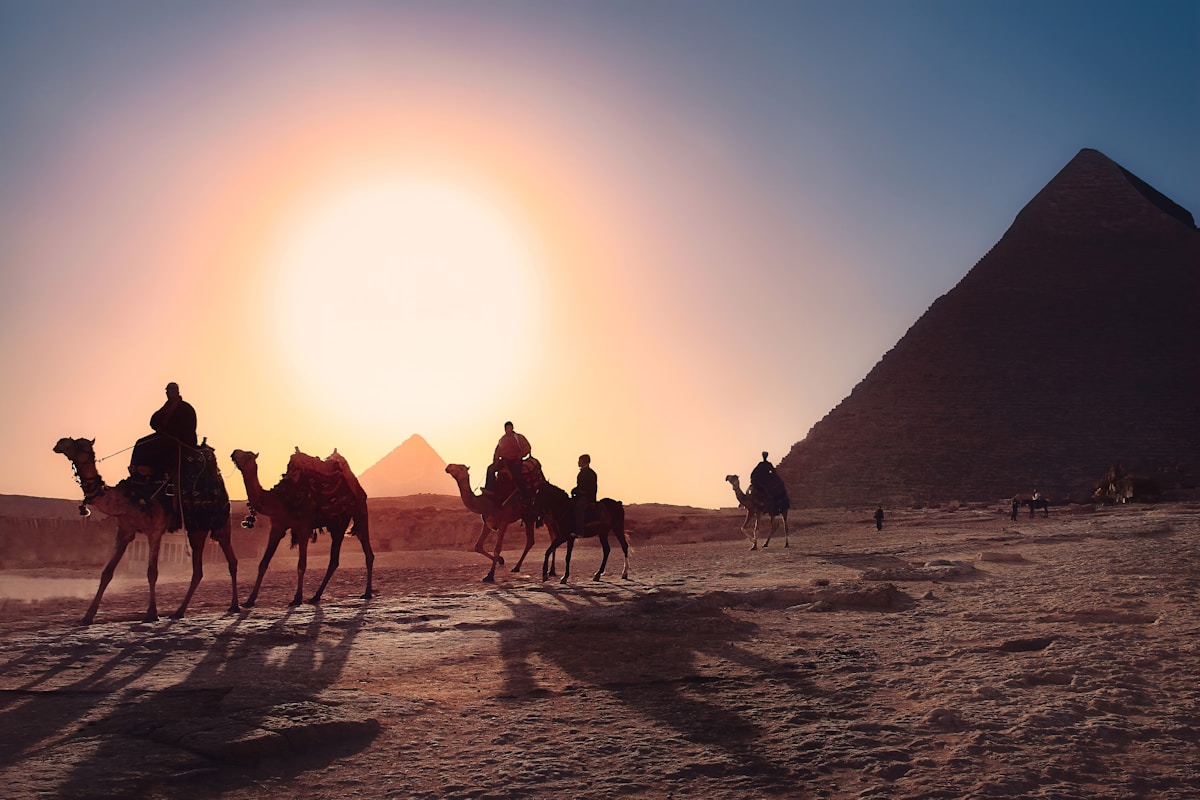
Egypt with children is not always on the shortlist for family holidays - it carries a reputation for intensity that puts some parents off. That reputation has some basis: the heat is real, the crowds at major sites can be overwhelming, and persistent touts at key attractions require confidence to navigate. But Egypt also rewards family travel enormously: the Pyramids are one of the most viscerally thrilling sights a child can experience, the Red Sea resorts are genuinely excellent for families, and the warmth that Egyptian people extend to children - Egyptian culture places families at the centre of social life - can make a visit unexpectedly welcoming.
This guide is practical. It covers what actually works with children, what to avoid, and how to structure a first family trip.
Is Egypt Suitable for Families?
The short answer is yes, with some planning. The main tourist corridor - Cairo, Luxor, Aswan, and the Red Sea coast - is well-established and used to handling visitors of all ages. The infrastructure in resort areas is good. Egyptian security at major sites is visible. The main considerations for families specifically:
Heat: Egypt’s summer (June–August) is very hot. Cairo and Luxor can reach 40–42°C. For families with young children, October to April is strongly recommended for visiting the Nile Valley sites. The Red Sea coast is bearable year-round due to sea breezes.
Stomach issues: Egypt carries a risk of traveller’s diarrhoea. Stick to bottled water (for drinking and teeth brushing), avoid salads from street stalls, eat at established restaurants, and carry oral rehydration sachets and child-appropriate antidiarrhoeals. Children can be more vulnerable than adults.
Crowds and touts: Giza and the major Valley of the Kings tombs see heavy visitor numbers in peak season. Touts offering camel rides, photos, and guide services are persistent. Teach older children to calmly ignore approaches; younger children can find it unsettling if they’re not prepared. A private guide significantly reduces this friction - see below.
Pace: Egypt requires a different pace with children. A single full-day tour covering three Luxor temple sites in high season heat will exhaust most children under 10. Two sites per day maximum, with rest time and food breaks, is more realistic.
Private Guides vs Independent Travel
For families, a private licensed guide makes a significant difference. They handle the touts, know which areas are less crowded, can time visits to avoid peak hours, and provide child-appropriate commentary that makes ruins legible for young visitors. Private guide costs in Egypt are approximately USD 80–150 per day depending on experience and language; half-day guides start from around USD 50. Your hotel can recommend reputable guides, or book through a licensed agency in advance.
Search hotels in Egypt on Booking.com
Going fully independent is possible for experienced travellers, but the extra pressure of managing children, navigating, and deflecting commercial approaches simultaneously is tiring.
What Children Actually Enjoy
The Pyramids of Giza
The Pyramids consistently astonish children. The scale is simply incomprehensible in photographs and immediately apparent in person - and children, whose sense of scale is still calibrated to human-sized things, often have a stronger reaction than adults. Allow 3–4 hours minimum. Key points for families:
- Camel rides: Offered constantly on the plateau; average cost EGP 200–400 for a short circuit. Fun for older children (8+); negotiate and agree the total price before mounting. Very young children should not ride unsupported.
- Inside the Great Pyramid (Pyramid of Khufu): An additional ticket (approximately EGP 400 for foreigners as of 2026) allows entry. The interior passage is narrow, hot, and requires crouching - exciting for most children aged 8+, potentially claustrophobic for younger ones. Not recommended with strollers.
- Solar Boat Museum: Next to the Pyramid of Khufu, the museum houses a 4,600-year-old wooden boat reassembled from 1,224 pieces. Genuinely impressive and accessible for older children interested in engineering.
- Sphinx: The Sphinx enclosure is a short walk from the main pyramid area. Entry is included in the main ticket. Good for photos; relatively shaded seating nearby for feeding and resting young children.
Tip: Hire a local guide at the entrance (approximately EGP 200–300 for 2 hours) who knows how to navigate the space efficiently and can time your visit around the morning tour bus arrivals (which typically peak 10am–12pm).
Luxor’s Temples
Karnak Temple is genuinely spectacular for older children (8+) who can handle a 2-hour walking tour. The 134 columns of the Hypostyle Hall are an extraordinary physical space - tall enough that many children immediately ask “how did they build this?” The animal-headed gods and hieroglyphic reliefs invite questions that can drive extended conversation.
Luxor Temple is more compact and is illuminated at night - an evening visit (after 6pm) is far more manageable in terms of heat and crowds, and the atmosphere is dramatic. A 90-minute evening visit to Luxor Temple works well for families with children aged 5+.
The Valley of the Kings is best for children aged 8+ with some historical context. The painted tomb interiors are extraordinary, but the “why does this matter?” question needs answering before arrival or the visit loses impact. Watching a short age-appropriate documentary about ancient Egypt before the trip pays dividends.
Nile Cruises
A Nile cruise between Luxor and Aswan is often the highlight of a family Egypt trip. The reasons it works for children:
- Enclosed and safe environment: The boat is your base. Meals are served onboard, luggage stays put, and children have a secure space to return to between site visits.
- Manageable pace: A 4-night cruise visits approximately 5–6 temple sites with mornings ashore and afternoons or evenings on the water. The pace is slower than a back-to-back itinerary.
- River experience: Watching Egypt pass from the deck - feluccas, water buffalo on the bank, children waving from villages, date palms - is something children remember. Many cruises offer a felluca sail as an optional add-on.
- Fellow travellers: Multi-generational groups are common on Nile cruises; children often find companions.
Best ages for a cruise: 6 and above. Children under 5 can manage the boat itself but may struggle with the required temple walks (often 1–3 km per site in heat).
Cost: Standard 4-night Luxor–Aswan cruise cabins start from approximately USD 120–150 per person per night on a mid-range vessel, including meals and excursions. Budget options start lower; luxury vessels (Oberoi Zahra, Sanctuary Sun Boat series) run USD 300–700+ per person per night.
The Red Sea Resorts
Hurghada and Sharm el-Sheikh are the easiest Egypt introductions for families with young children. Both offer:
- Calm, warm water: The Red Sea lacks significant surf, making it genuinely safe for young swimmers and novice snorkellers. Children as young as 4–5 can snorkel in sheltered areas with a life jacket and close supervision.
- Resort infrastructure: Decent all-inclusive resorts with children’s pools, kids’ clubs (ages 4–12 typically), evening entertainment, and familiar food options alongside Egyptian cuisine.
- Snorkelling from the beach: Many resort beaches have coral within 50–100 metres of shore. Hiring fins and a mask (approximately EGP 30–50 per day from most resorts) and walking in from the beach is possible without a boat.
- Glass-bottom boat tours: A good option for children too young to snorkel; most depart from resort beaches and cost approximately EGP 200–350 per person for a 2-hour tour.
Recommended operators for family snorkel days (Hurghada): Emperor Divers, Jasmine Diving Centre. In Sharm el-Sheikh: Camel Dive Club, Oonas Dive Club - both have strong family-friendly programmes.
The Underwater Experience
Egypt is arguably the world’s best location for introducing children to snorkelling. The reef fish of the Red Sea are colourful, plentiful, and close to the surface. At Ras Mohammed National Park (day trip from Sharm el-Sheikh), blacktip reef sharks are regularly visible in the shallows while snorkelling - genuinely thrilling for children aged 8+ who understand that these sharks pose minimal risk to snorkellers.
Junior Open Water diving certification is available from age 10 with most PADI-certified operators. Introductory “Discover Scuba” dives are available from age 8 in calm, supervised conditions. Many children who try this in the Red Sea go on to get certified.
Practical Logistics
Getting Around
- Internal flights: EgyptAir and Nile Air connect Cairo, Luxor, Aswan, and Hurghada frequently. A 60-minute Luxor–Cairo flight vs a 10-hour train is an easy choice for families. Domestic flight prices range from approximately USD 40–90 per person.
- Private transfers: For airport runs and intercity transfers, a private car with driver is far less stressful than navigating shared transport with luggage and tired children. Your hotel can arrange this; typical Cairo airport–hotel transfer costs EGP 400–700.
- Cairo metro: The metro is functional, cheap, and has separate women-and-children carriages. Useful for getting to Islamic Cairo from downtown without traffic; less practical with strollers.
- Strollers: Difficult in many historical sites due to uneven ground and stairs. A carrier or front pack is more practical for infants at the major sites. Strollers are fine in resort hotels and shopping centres.
Food
Egyptian food is broadly child-friendly: bread, rice, grilled chicken, falafel, and hummus are widely available and recognisable. Koshari (rice, lentils, pasta with tomato sauce) is filling and usually accepted by children who eat pasta. Pizza and burgers are available at tourist restaurants in all major cities and resorts.
Specific cautions: avoid tap water, ice in drinks, salads from street stalls, and raw or undercooked meat. At established sit-down restaurants serving tourists, these risks are low. Carry snacks (dried fruit, biscuits) for long temple visits where children will need energy between meals.
Health and Emergencies
The main Egyptian tourist cities have private hospitals with adequate emergency facilities. Cairo has several internationally accredited hospitals; Hurghada and Sharm el-Sheikh have private clinics familiar with treating visitors. Travel health insurance that covers emergency medical evacuation is strongly recommended for families - standard cover should include children explicitly on the policy.
Bring:
- Oral rehydration sachets (essential)
- Child-appropriate antidiarrhoeals and antihistamines
- Sunscreen (SPF 50+; reef-safe for the Red Sea)
- Insect repellent (less critical than tropical destinations but useful in the Nile Valley in summer evenings)
- Any prescription medications in original packaging with sufficient supply
Accommodation Tips for Families
- Request a room with connecting door or a family suite at booking - not all hotels offer these as a standard room type, so confirm in advance.
- All-inclusive resorts in Hurghada and Sharm el-Sheikh are the most straightforward option for families with young children.
- In Cairo, hotels in Zamalek (island district) or Dokki/Mohandessin are generally quieter and more residential than central Cairo without sacrificing convenience. Mena House at the foot of the Pyramids is the classic family splurge option - rooms from approximately USD 200–350 per night.
Suggested Family Itinerary (10 Days)
Days 1–3: Cairo
- Day 1: Arrive, settle, evening walk in Zamalek or along the Nile Corniche
- Day 2: Giza Plateau morning (arrive at opening), Egyptian Museum afternoon or Grand Egyptian Museum
- Day 3: Coptic Cairo + Khan el-Khalili market (shorter visit) or Saqqara
Days 4–7: Nile Cruise (Luxor–Aswan)
- Day 4: Fly Cairo to Luxor; board cruise; Luxor Temple evening
- Day 5: Karnak Temple morning; Valley of the Kings afternoon
- Day 6: Edfu and Kom Ombo temples (cruise calls at both mid-river)
- Day 7: Arrive Aswan; Philae Temple
Days 8–10: Hurghada
- Days 8–9: Beach, snorkelling, resort pool
- Day 10: Morning snorkel trip or glass-bottom boat; fly home from Hurghada
This itinerary is full but manageable; adjust temple visits to morning-only in summer heat.
See Also
- 10 days in Egypt itinerary - a full suggested route covering Cairo, Nile cruise, and Hurghada, with costs at each tier
- Hurghada travel guide - the most family-friendly Red Sea resort hub, with diving operators, beach clubs, and resort options
- Ras Mohammed National Park - snorkelling with blacktip reef sharks in the shallows, the Red Sea highlight for older children
- Browse family-friendly Egypt tours - guided group tours handle the logistics so you can focus on the kids