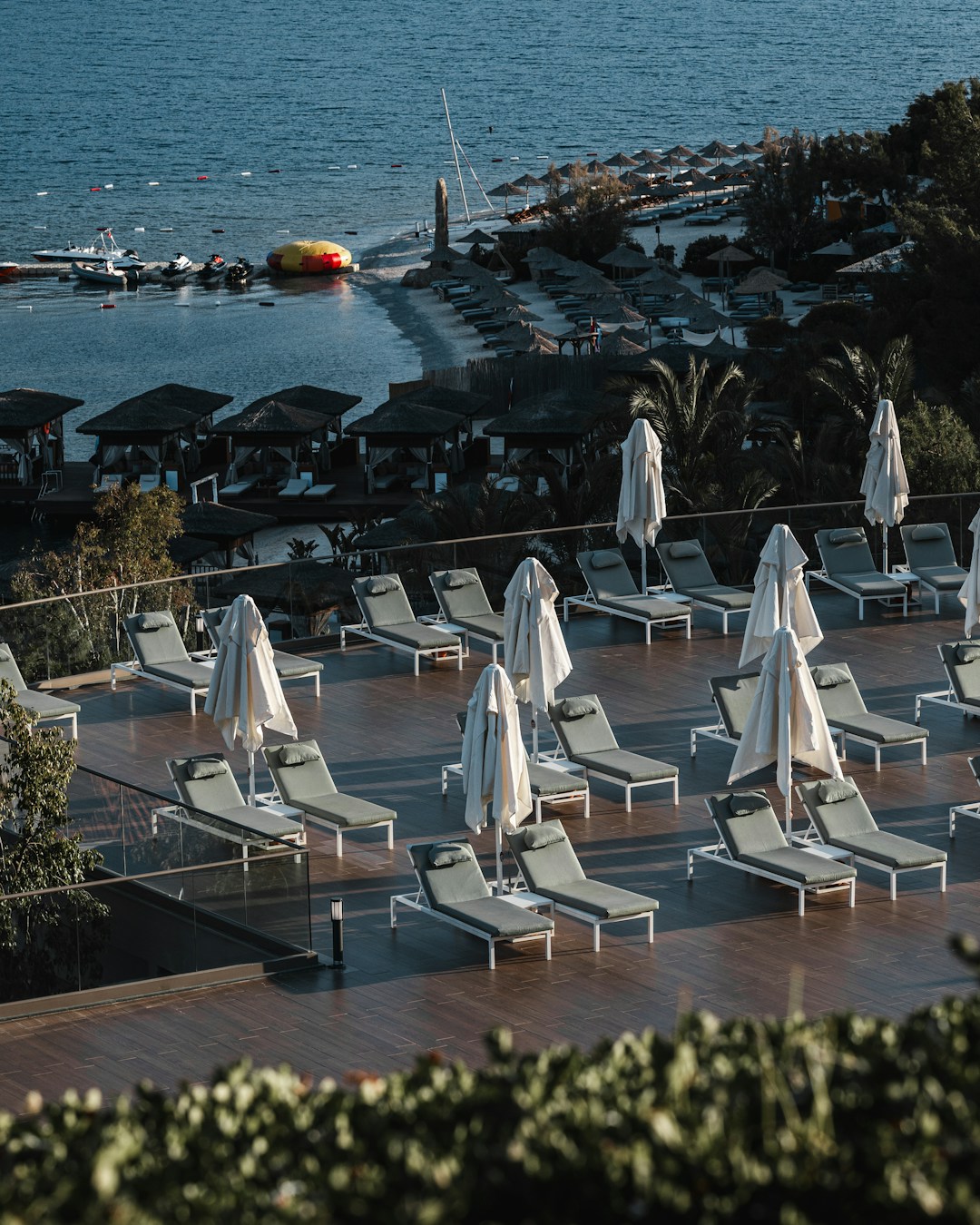
Egypt’s North Coast is the country’s Mediterranean summer playground, and it is almost the opposite of the Red Sea trip most visitors plan. There is no reef and no diving here. Instead you get long pale-sand beaches, shallow turquoise water, gated resort towns and a summer social scene that Egyptians simply call Sahel, “the coast”. It also has one of the most significant World War II sites in Africa at El Alamein. This guide covers the war cemeteries, the main resort areas, how to get there, when the season runs and what a beach day costs.
If you are comparing beach options across the country first, start with our best beaches in Egypt guide, then come back here for the Mediterranean detail.
Where the North Coast Is
The coast runs west from Alexandria along the Mediterranean towards Marsa Matruh and the Libyan border. The areas travellers meet, from east to west, are:
- Alexandria and the Abu Qir to Borg El Arab stretch: the historic city and its airport. See our Alexandria guide.
- Sidi Abdel Rahman and the resort belt: the cluster of gated compounds including Marassi and Hacienda Bay.
- El Alamein and New Alamein: the war sites, the new city development and Alamein International Airport, approximately 106 km west of Alexandria.
- Ras El Hekma: a large new development roughly 350 km northwest of Cairo, between Alexandria and Marsa Matruh.
- Marsa Matruh and Almaza Bay: the older beach town with its sheltered bays, and a newer resort community nearby.
Distances are long and the coast road is busy in summer, so choose one or two bases rather than trying to see the whole strip in a weekend.
El Alamein: The WWII Sites
El Alamein is where the Allied and Axis armies fought two decisive desert battles in 1942, the first in July and the second from late October into early November. For many visitors it is the reason to come, and it works as a half-day trip even if you are staying elsewhere on the coast. The four main sites are close together.
El Alamein Commonwealth War Cemetery. Run by the Commonwealth War Graves Commission, this is the main Allied cemetery, with thousands of rows of white headstones facing the desert and sea. Entry is free. Plan on 45 to 60 minutes; the visitor book and the memorial wall naming the missing are worth the time. The CWGC site has background on the cemetery, and staffed hours have been reported as roughly 7:30am to 2:30pm, Saturday to Thursday, so check before a late-afternoon arrival.
El Alamein War Museum. This is the main museum for the battles, with uniforms, maps, weapons and dioramas covering the British, Italian, German and other forces. Reported opening hours are around 9am to 4pm daily. A small admission fee is charged, and we could not confirm the current amount, so bring cash and ask on arrival.
German War Memorial. A stone fortress-like memorial on a hill at Tel el-Eisa, with the names of approximately 4,280 soldiers buried there. The Volksbund war graves page gives the official details.
Italian War Memorial. A white mausoleum nearby, with around 5,200 tombs and a memorial honouring many more Italian soldiers whose remains were never recovered. A joint memorial service rotating between the British, German and Italian cemeteries takes place every few years.
The easiest way to see all four in one go is a guided day trip. Browse Alexandria tours for El Alamein options that include transport from the city, or hire a driver for the day if you are already on the coast. Wear sun protection: the sites are open and exposed, and there is little shade in July and August.
The Main Resort Areas
Most of the North Coast is gated, so it helps to know the names. We are describing the areas here rather than recommending specific hotels, because room inventory and operators change each season; check current availability and reviews on a booking platform before you commit.
Marassi. A large Emaar Misr development around Sidi Abdel Rahman with beaches, a marina, hotels and residential villages. It is one of the most visible names on the coast and attracts a mostly Egyptian summer crowd. Its beach clubs run day-use passes, and one local guide quotes the Sol Beach club at roughly 2,500 EGP per person on weekdays and 5,000 EGP at weekends (single source, undated, so treat it as indicative).
Hacienda Bay. A neighbouring, long-established family compound near Marassi, known for its calm swimming bay. Locals often compare it with Marassi when deciding where to rent a chalet: Hacienda is generally the more relaxed, family-focused option, while Marassi is busier and more polished.
Almaza Bay. Near Marsa Matruh, this is a newer resort community with sheltered water and a quieter feel than the eastern compounds. It is further from Alexandria and more suited to a longer stay than a weekend break.
Ras El Hekma. The big story of the next few years. A masterplanned development is being built out along this stretch, and Nammos has announced a 79-key resort there. A new airport has been announced for this area, with an opening around the end of 2026; treat any date as provisional until flights are actually on sale.
Marsa Matruh. The traditional beach town, with public beaches such as Agiba and a more local, budget-friendly feel than the compounds.
For hotel searches across the region, compare North Coast hotels and filter by beachfront and cancellation terms.
June to September: The Season
The North Coast is intensely seasonal. Egyptian school holidays begin in mid-June and the area fills with families through August, which is why our Egypt in June guide flags it as the busiest domestic beach period. A rough month-by-month guide:
- June: warm and sunny, the sea is warming and crowds build from mid-month. See also Egypt in June.
- July and August: peak season. Hot, lively, fully booked at weekends, and the highest prices of the year. See Egypt in July and Egypt in August.
- September: the best balance. The sea is still warm, crowds thin after school restarts and prices ease. See Egypt in September.
- October to May: the Mediterranean is cool and often rough, many beach clubs and restaurants close, and compounds run on reduced service. Other than the war sites, there is little reason to come.
Islamic holidays, particularly Eid, push demand up sharply for a few days. Check our Egypt public holidays guide before fixing dates, and book weekend stays well ahead.
Day-Use Beach Fees: What to Expect
If you are not staying in a compound, you will usually pay to use a beach. The common arrangements:
- Beach-club day pass: a fee per person that often includes a sunbed and umbrella, and sometimes a food and drink credit. Weekend prices are typically around double weekday prices.
- Hotel day-use: some hotels sell a day pass that includes the pool and beach. Availability falls on peak weekends.
- Public beaches: free in towns like Marsa Matruh, but with fewer facilities and more crowds.
- Compound access: gated communities often restrict entry to residents, guests and members, so you may be turned away at the gate without a booking.
Prices vary hugely by venue and day. The Marassi figure above is the only one we could source, so call or message the venue before travelling and ask what the fee includes. Prices here are as of 2026 and change each season.
Getting There
By air. Alamein International Airport (DBB) opened in 2019 and has grown quickly: it recorded 57% passenger growth in summer 2026 with new carriers from Romania, Poland, Bulgaria and Bahrain, as covered in our Alamein airport growth report. Services are heavily concentrated in June to September. Ground transport at the airport is limited, so pre-book an airport transfer rather than relying on finding a taxi, and compare flights to Egypt from your home airport.
By road from Alexandria. About 106 km to El Alamein, roughly 1.5 to 2 hours depending on traffic. Our Alexandria getting there guide covers the train, bus and airport options into the city first.
By road from Cairo. Around 3 to 4 hours by car, but heavier on Friday and Saturday summer traffic. A private driver or car hire in Egypt is the most practical option; read our car rental guide before booking.
By train and bus. Egyptian National Railways and several bus operators run services from Alexandria towards Marsa Matruh, taking roughly 3.5 to 5 hours depending on the service, but schedules and fares change seasonally and we could not verify a reliable timetable from Cairo. Check Egypt trains for how to book, and confirm times locally.
Practical Tips
- Pack for a resort, not a city. Sun cream, a hat and modest cover-ups for towns outside the compounds.
- Cash and cards. Compounds and beach clubs mostly take cards, but small shops and drivers still want cash in Egyptian pounds.
- Book early for July and August. Weekend stays in the best compounds sell out well ahead.
- Visa. Check entry rules on the official visa2egypt.gov.eg portal and our Egypt visa guide.
- Combine with Alexandria. A strong two-part trip is two nights in Alexandria for the library and catacombs, then a few beach days on the coast. See Cairo vs Alexandria for how the city compares.
Who Should Go
The North Coast suits travellers who want a Mediterranean beach holiday with an Egyptian flavour, history-minded visitors who want to see El Alamein, and anyone building a summer trip that avoids the Red Sea heat. It is a poor fit for divers, for anyone travelling between October and May, or for visitors who want an off-the-shelf package hotel experience like Hurghada or Sharm. For those, see Hurghada or Sharm el-Sheikh.