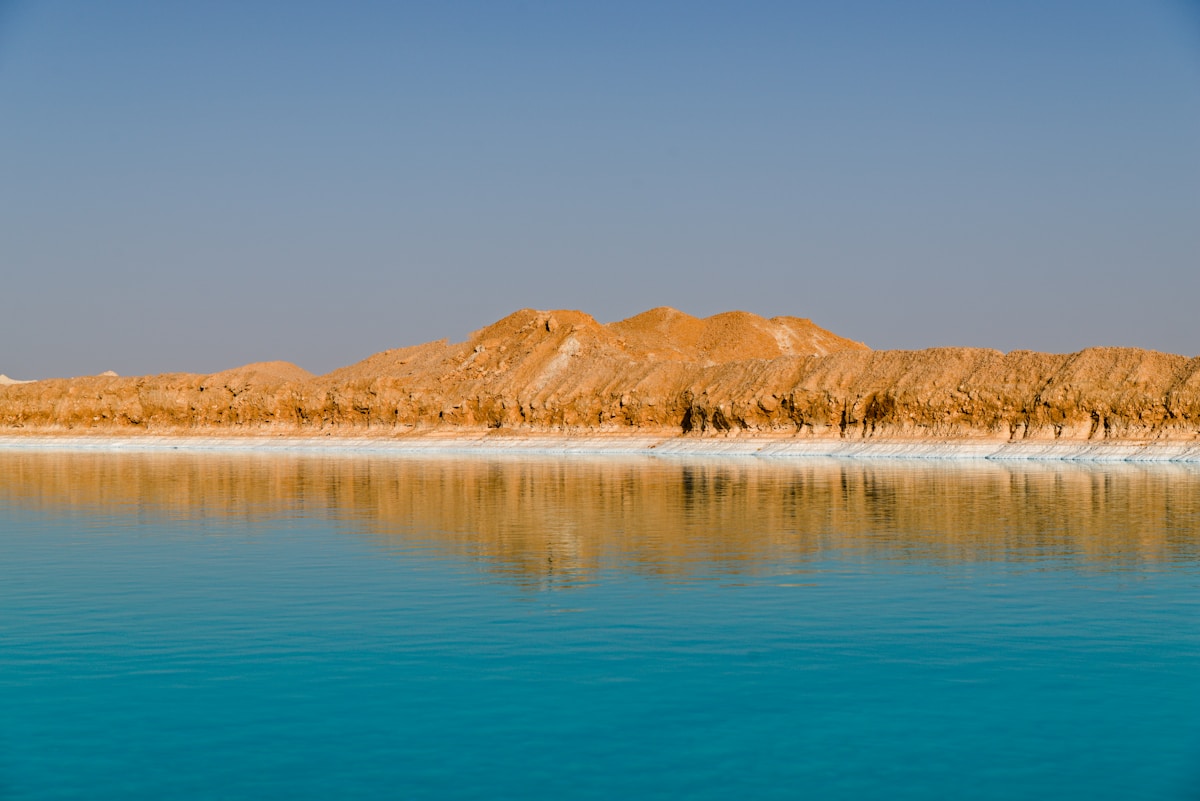
Three weeks in Egypt lets you move beyond the standard Cairo–Luxor–Aswan triangle and spend time in places that most visitors never reach. The Western Desert oases are unlike anything else on the continent. Siwa’s Berber culture, salt lakes and ancient oracle temple feel entirely removed from the tourist trail. The White Desert’s chalk formations are surreal. Alexandria’s faded Mediterranean grandeur is its own world. This itinerary threads these destinations together with enough flexibility that you can slow down where the place demands it.
The Route at a Glance
| Days | Destination | Nights |
|---|---|---|
| Days 1–3 | Cairo | 3 |
| Days 4–5 | Alexandria | 2 |
| Days 6–8 | Siwa Oasis | 3 |
| Days 9–10 | White Desert / Bahariya Oasis | 2 |
| Days 11–13 | Luxor | 3 |
| Days 14–16 | Aswan + Abu Simbel | 3 |
| Days 17–21 | Dahab (or Hurghada) | 4–5 |
Days 1–3: Cairo
Three days in Cairo covers the headline sites without leaving you exhausted. For a detailed day-by-day breakdown, see our 3 days in Cairo guide.
Day 1: Giza Plateau (pyramids, Sphinx, Valley Temple). Admission approximately EGP 540 (USD 11 as of 2026). Lunch at Andrea El Mariouteya; evening in Zamalek at Zooba.
Day 2: Grand Egyptian Museum (approximately EGP 1,000 / USD 20 general admission + EGP 500 for Tutankhamun supplement). Afternoon in Islamic Cairo along Al-Muizz Street. Dinner at Abou Tarek for koshari.
Day 3: Saqqara and Dahshur. The Step Pyramid at Saqqara (approximately EGP 450 / USD 9) is the oldest full pyramid structure on earth. Dahshur’s Bent Pyramid and Red Pyramid (approximately EGP 200 / USD 4) are 20 minutes further south and almost always uncrowded. Hire a driver for the day (approximately EGP 600–800 / USD 12–16 from a Cairo hotel).
Search hotels in Egypt on Booking.com
Where to stay - Cairo:
- Budget: Cairo City Centre Hostel, Downtown - from approximately EGP 400 (USD 8) per night dorm
- Mid-range: Hotel Longchamps, Zamalek - approximately EGP 2,500–3,500 (USD 50–70) per night
- Luxury: Four Seasons Hotel Cairo at Nile Plaza - from approximately USD 280 per night
Days 4–5: Alexandria
Take the morning train from Cairo Ramses to Alexandria (approximately 2–2.5 hours, EGP 100–200 second class / EGP 300–500 first class as of 2026). Alexandria is Egypt’s second city and its temperament is entirely different - Mediterranean, cosmopolitan, melancholy. The sea is always visible and the coffee-house culture runs deep.
Day 4: Bibliotheca Alexandrina (approximately EGP 100 / USD 2, opens 9:00 AM) is a modern architectural landmark built over the site of the ancient library. The Cavafy Museum nearby (EGP 50 / USD 1) occupies the apartment where Greece’s greatest modern poet spent the last years of his life. Walk the Corniche east past Stanley Bridge to the fish market for dinner - fresh Red Sea fish grilled to order, approximately EGP 400–700 (USD 8–14) per person.
Day 5: Catacombs of Kom el-Shoqafa (approximately EGP 200 / USD 4) - the largest Roman-era funerary complex in Egypt, a three-storey necropolis cut into the rock. Qaitbay Citadel on the eastern harbour (approximately EGP 180 / USD 4) stands where the ancient Pharos lighthouse once marked the harbour mouth. In the afternoon, take the tram west to the Montazah Palace gardens (EGP 50 / USD 1 entry to the park) for a quieter, coastal afternoon.
Where to stay - Alexandria:
- Budget: Hostel Alex - from approximately EGP 350–500 (USD 7–10) per night dorm
- Mid-range: Tolip Inn Alexandria - 4-star hotel on the Corniche from approximately USD 55–80 per night
- Luxury: Steigenberger Cecil Hotel - the historic Cecil, opened 1929, from approximately USD 120–180 per night
Days 6–8: Siwa Oasis
Getting to Siwa requires commitment - that is part of the appeal. Osama Bus runs an overnight service from Cairo to Siwa (approximately 9 hours, EGP 200–300 / USD 4–6 as of 2026). Alternatively, take a bus from Alexandria to Mersa Matruh and change there. Book seats in advance.
Siwa is an oasis 50 km from the Libyan border, populated primarily by Siwi Berbers whose language and customs are distinct from the Arabic-speaking Nile Valley. The ancient Oracle Temple of Amun here is where Alexander the Great came in 331 BC to be declared the son of a god.
Day 6 - Arrival and Old Town: Settle in and walk through Shali Fortress, the medieval mud-brick citadel at the centre of Siwa town. Collapsed in a 1926 rainstorm, its ruins are still impressive at dusk. Eat at one of the small local restaurants around the main square - Siwan cuisine features dates, olives and a slow-cooked lamb dish (raga’a) not found elsewhere in Egypt. Dinner approximately EGP 150–300 (USD 3–6).
Day 7 - Oracle Temple and Salt Lakes: Visit the Temple of the Oracle (approximately EGP 180 / USD 4 as of 2026) and the nearby Temple of Umm Ubaydah in the morning. In the afternoon, hire a bicycle (approximately EGP 50–100 / USD 1–2 per day) or take a donkey cart to Lake Siwa and the salt flats at Birket Zaytoun. The high salinity means you float effortlessly - locals call it Siwa’s Dead Sea. Swim in the afternoon light and watch the sun set over the desert escarpment.
Day 8 - Desert Safari and Great Sand Sea: Book a full-day 4WD desert excursion (approximately USD 50–80 per person through a local agency, as of 2026) into the Great Sand Sea - the vast dune system stretching west into Libya. Include a stop at Cleopatra’s Bath, a naturally bubbling freshwater spring, on the return. Overnight in Siwa before the 6-hour drive south to Bahariya.
Where to stay - Siwa:
- Budget: Siwa Shali Lodge - traditional kershef (salt stone) construction, from approximately EGP 600–800 (USD 12–16) per night
- Mid-range: Nour El Waha Lodge - a well-regarded ecolodge with palm gardens, from approximately USD 40–60 per night
- Luxury: Adrère Amellal - an award-winning eco-resort with no electricity (candlelit evenings), salt lake views, from approximately USD 250 per night
Days 9–10: White Desert and Bahariya Oasis
The Bahariya Oasis is 370 km southwest of Cairo and accessible by public bus (approximately 4 hours, EGP 100–150 as of 2026) or private transfer from Siwa (approximately 6–7 hours across desert tracks - book in advance through a Siwa operator).
Day 9 - Black Desert and Crystal Mountain: En route to Bahariya, stop at the Black Desert - dark volcanic rock formations scattered across the landscape for 30 km. Crystal Mountain is a quartzite ridge whose embedded crystals catch the light at certain angles. The Bahariya Valley of the Golden Mummies museum (approximately EGP 200 / USD 4) covers the extraordinary 1996 discovery of more than 200 gilded Greco-Roman mummies in a single necropolis - one of the most significant Egyptian finds in decades.
Day 10 - White Desert camping: An overnight camp in the White Desert is one of Egypt’s most distinctive experiences - chalk monoliths eroded into mushroom, chicken and ice-cream shapes rising from sand that glows silver under a full moon. Book a full-day jeep tour and overnight camp from Bahariya (approximately USD 60–100 per person including guide, food and sleeping equipment as of 2026). See our White Desert guide for operator recommendations and what to pack.
Return to Cairo by afternoon bus, then fly from Cairo to Luxor (approximately 1 hour, EGP 2,500–4,000 / USD 50–80 as of 2026). Search Egypt domestic flights - Cairo to Luxor and Aswan to Sharm or Dahab are all bookable online.
Days 11–13: Luxor
Luxor is the ancient city of Thebes, the capital of Egypt during the New Kingdom (1550–1070 BC), and the single greatest concentration of ancient monuments on earth. Three days is generous - use the extra time on the West Bank, which rewards slow exploration.
Day 11 - East Bank: Karnak Temple (approximately EGP 450 / USD 9, opens 6:00 AM) and Luxor Temple (approximately EGP 350 / USD 7). Evening at the Sound and Light Show at Karnak (approximately EGP 300 / USD 6).
Day 12 - West Bank: Valley of the Kings (approximately EGP 400 / USD 8 for three tombs), Hatshepsut Temple (approximately EGP 400 / USD 8), Medinet Habu (approximately EGP 300 / USD 6). Hire a guide for the Valley of the Kings - approximately EGP 1,500–2,500 (USD 30–50) for a half day.
Day 13 - Off-path: Take a microbus to Dendera (90 km north of Luxor, approximately EGP 2,500 / USD 50 by private taxi return). The Temple of Hathor at Dendera is among the best-preserved in Egypt - painted astronomical ceiling in a hypostyle hall, complete roof with zodiac reliefs, and secret underground crypts. Admission approximately EGP 450 (USD 9 as of 2026). Few itineraries include it; most travellers who go rank it among Egypt’s finest.
For a full day-by-day breakdown, see our Luxor itinerary. For guided Valley of the Kings, Karnak and Dendera tours, browse Luxor tours and activities.
Where to stay - Luxor:
- Budget: Bob Marley House - from approximately EGP 500 (USD 10) per night
- Mid-range: Steigenberger Nile Palace Luxor - from approximately USD 80 per night
- Luxury: Sofitel Winter Palace - from approximately USD 250 per night
Days 14–16: Aswan and Abu Simbel
Take the daytime train from Luxor to Aswan (approximately 3–4 hours, EGP 60–150 as of 2026).
Day 14 - Kom Ombo and Daraw: Stop briefly at Kom Ombo Temple (approximately EGP 350 / USD 7), a double temple dedicated to both Sobek (the crocodile god) and Horus - uniquely symmetrical with two of every hall, doorway and chamber. On Saturdays, the Daraw Camel Market 3 km south of Kom Ombo is one of Egypt’s most extraordinary scenes - camel traders from Sudan drive their animals north through the desert to sell here. A tuk-tuk from Kom Ombo costs approximately EGP 30–50 (USD 1). This is not a tourist attraction - it is a working livestock market operating since antiquity.
Day 15 - Aswan and Philae: Philae Temple (approximately EGP 450 / USD 9 plus boat transfer), a Nubian village by motorboat (approximately EGP 200–400 / USD 4–8) and the Unfinished Obelisk (approximately EGP 180 / USD 4). Evening felucca on the Nile. See our Aswan itinerary for full detail. For guided Philae, Abu Simbel, and Nubian village excursions, browse Aswan tours and activities.
Day 16 - Abu Simbel: Early morning departure by road convoy (3:00 AM from Aswan) or flight. Abu Simbel admission approximately EGP 900 (USD 18 as of 2026). On the return, visit Kalabsha Temple on the shore of Lake Nasser (approximately 15 km south of Aswan by boat, approximately EGP 200 / USD 4). This Nubian temple to the god Mandoulis was relocated by UNESCO in 1963, like Philae, but sees a fraction of the visitors. The setting - temple on a promontory above the lake, desert silence, no crowds - is remarkable.
Where to stay - Aswan:
- Budget: Keylany Hotel - from approximately EGP 800–1,200 (USD 16–24) per night
- Mid-range: Mövenpick Resort Aswan - from approximately USD 90 per night
- Luxury: Sofitel Legend Old Cataract Aswan - from approximately USD 300 per night
Days 17–21: Dahab
Fly from Aswan to Sharm el-Sheikh (or Cairo then Sharm) and take a taxi or shared minibus north to Dahab (approximately 90 minutes, EGP 200–400 / USD 4–8 per person). Dahab is a former Bedouin fishing village on the Gulf of Aqaba that has grown into Egypt’s most relaxed dive town.
Four or five days here functions as a decompression: walk the lagoon-side promenade, eat slow lunches at waterfront restaurants, snorkel the Red Sea reefs directly from the beach, and consider a dawn hike up Mount Sinai if your legs are willing (the ascent takes 3–4 hours by camel track, admission approximately EGP 200 / USD 4 to St. Catherine’s Monastery at the base).
Blue Hole: Dahab’s most famous dive site - a submarine sinkhole 130 metres deep - is the world’s most visited technical dive site. Recreational snorkellers can float over its rim and peer into the blue. Canyon and Islands are the strongest sites for reef snorkelling.
Where to stay - Dahab:
- Budget: Penguin Hotel or Bishbishi Garden Village - from approximately EGP 400–600 (USD 8–12) per night
- Mid-range: Jaz Dahabeya - from approximately USD 60–90 per night
- Luxury: Hilton Dahab Resort - from approximately USD 120–180 per night
Full-Trip Budget Summary
| Category | Budget Traveller | Mid-Range | Luxury |
|---|---|---|---|
| Accommodation (21 nights) | USD 170–400 | USD 800–2,000 | USD 3,000–7,000 |
| Meals (21 days) | USD 200–350 | USD 450–900 | USD 1,200–2,500 |
| Internal transport (trains, buses, flights) | USD 150–250 | USD 350–600 | USD 600–1,200 |
| Entrance fees | USD 200–250 | USD 250–300 | USD 300–400 |
| Guided tours and desert safaris | USD 100–200 | USD 300–600 | USD 800–2,000 |
| Total estimated per person | USD 820–1,450 | USD 2,150–4,400 | USD 5,900–13,100 |
Prices are approximate as of 2026. Budget totals assume shared accommodation, public transport and eating almost exclusively at local restaurants. Luxury totals assume five-star hotels throughout, private guides and domestic flights.
Practical Notes
Visa: Available on arrival at Cairo Airport (approximately USD 25 as of 2026) or as an e-visa in advance. Confirm current requirements before travel.
Connectivity: An eSIM for Egypt covers Cairo, Alexandria, Luxor and Aswan reliably - signal in Siwa and the White Desert is limited but available. Travel insurance for Egypt is essential for a 3-week itinerary. For the desert drive sections - Bahariya, Siwa and the routes between oases - hire a car in Egypt if you prefer self-driving with a local operator rather than joining a group tour.
Best time: October to April. The White Desert is magical in winter with cold clear nights ideal for stargazing. Siwa is most comfortable in spring (March–May) and autumn (September–November).
Egyptian pounds: EGP is required for all entrance fees and most local purchases. ATMs are widely available in Cairo, Alexandria, Luxor and Aswan. Siwa and Dahab have ATMs but carry cash backup.
Dress code: Outside resort areas and beaches, dress conservatively. Women’s shoulders and knees should be covered at temples, mosques and local markets. A light scarf is useful throughout. For guided experiences across this itinerary, browse Egypt tours to compare operators for the Nile Valley and desert sections.
Book Your Trip
- Flights - Find the best fares to Egypt
- Travel Insurance - Get covered before you go
- eSIM - Stay connected from landing
- Airport Transfers - Pre-book your transfer from Cairo or Hurghada
- Car Rental - Compare prices across providers
- Tours & Activities - Browse Egypt tours on GetYourGuide