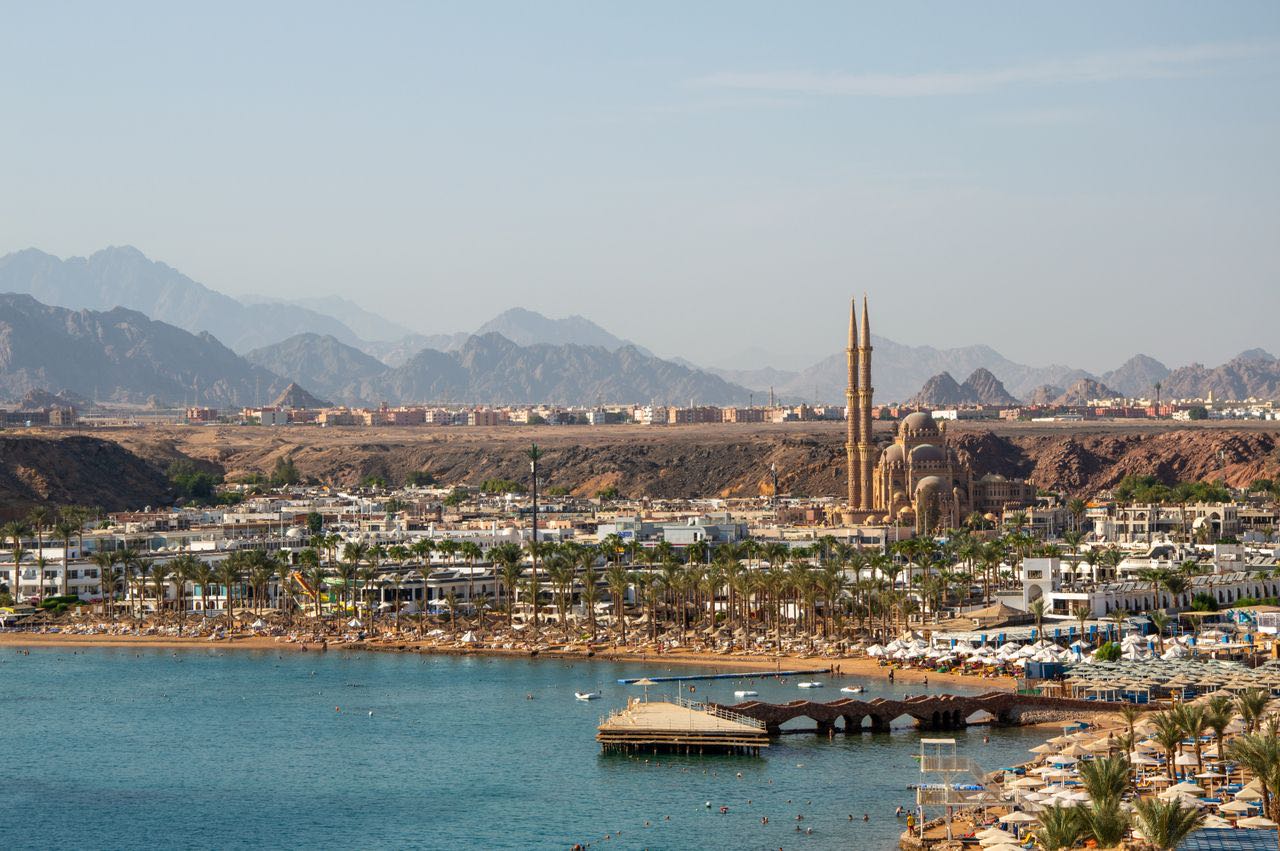
Sharm el-Sheikh sits at the southern tip of the Sinai Peninsula where the Gulf of Aqaba meets the Red Sea. It has two distinct attractions: the diving and snorkelling, which draw visitors year-round, and the Sinai mountains and desert interior, which add a dimension entirely absent from Hurghada. The underwater landscape around Ras Mohammed National Park and the Blue Hole at Dahab (a short drive away) is among the most impressive in the world, but the quality of your experience depends considerably on when you go.
Best Months at a Glance
March to May and September to November offer the best balance of dive conditions, air temperature, and manageable crowds. December and January are popular for European winter escapes but are Sharm’s busiest period. June through August is the heat extreme - the sea is warm and calm for experienced divers, but air temperatures reach 40-42°C and midday on land is uncomfortable.
High Season: December and January
Sharm’s busiest period is December and January, when package tourists from Northern and Eastern Europe arrive in large numbers seeking reliable winter sun. Air temperatures sit at a comfortable 18-22°C, making beach and outdoor time genuinely pleasant. Sea temperatures drop to around 21-23°C - still swimable but cooler, and most divers wear a 5mm wetsuit.
Naama Bay’s hotels and restaurants are at full capacity during this window. Dive operators run full boats. Ras Mohammed boat trips are in high demand and booking in advance is worthwhile. The beach clubs and waterfront strip are busy most evenings.
The Sinai interior is at its most accessible in winter - the mountains are cool rather than cold in December, and the landscape is dramatic. Day trips to the Coloured Canyon or camel treks to the Sinai highlands are most comfortable from November through February. St Catherine’s Monastery, at 1,500m elevation, can experience cold temperatures and occasionally snow in December and January - factor this in if that excursion is on your itinerary.
Best Season for Diving: September to November and April to May
These two windows are when underwater visibility in Sharm is at its best. At Shark Reef and Yolanda Reef within Ras Mohammed, visibility regularly reaches 25-30 metres. The water temperature sits between 25-27°C - warm enough for a 3mm wetsuit. Wind conditions in these months are generally more stable than summer, meaning fewer cancelled boat departures.
The Blue Hole near Dahab, about 100km north of Sharm, is most commonly visited as a day trip from Sharm. It is one of the world’s most famous dive sites and is accessible year-round, but the autumn and spring windows offer the clearest conditions. Freediving events are sometimes held at the Blue Hole in autumn - worth checking if that is a specific interest.
Gordon Reef and Thomas Reef in the Straits of Tiran are accessible by boat from Sharm and offer strong currents, large fish populations, and good visibility in October and April. These sites require an intermediate or advanced diving qualification.
Spring and Autumn: March and October
March and October are broadly similar transitional months. March sees air temperatures climbing from the winter lows to a comfortable 24-28°C, with sea temperatures also rising. It is one of the better months for combining beach time with dive trips and Sinai excursions without the crowds of high season.
October is particularly strong for diving - the summer winds have eased, visibility is recovering to autumn peak levels, and air temperatures at 28-33°C are warm without being extreme. October is also the month when some European visitors begin returning after avoiding the summer heat, which means crowds are building but not yet at December levels.
Summer and Heat Season: June to August
June through August in Sharm brings consistent 40-42°C air temperatures. The immediate beach environment is managed by shade structures and resort pools, but stepping away from the seafront in midday summer heat is immediately uncomfortable. Ras Mohammed boat trips still run in summer but strong afternoon winds occasionally disrupt departures or make the surface crossing rough.
The water in summer reaches 27-29°C - very warm and clear for swimming and snorkelling close to shore. Experienced divers can plan early-morning departures before the wind builds. The city itself is quieter than winter and prices at hotels are significantly lower, which makes it a viable option for budget-focused travellers who can tolerate the heat.
Camel treks and Sinai mountain excursions are not recommended in summer - the mountain trails are exposed and the temperature at altitude, while cooler than sea level, still reaches uncomfortable levels during July and August daylight hours.
Month-by-Month Summary
| Month | Air Temp (°C) | Sea Temp (°C) | Notes |
|---|---|---|---|
| January | 14-22 | 22 | Peak season; European visitors; busy |
| February | 15-23 | 21 | Quieter than January; still comfortable |
| March | 17-26 | 22 | Good diving begins; Sinai excursions excellent |
| April | 20-30 | 23 | Strong diving visibility; pleasant beach |
| May | 23-34 | 25 | Warming; good visibility; shoulder shoulder |
| June | 26-38 | 26 | Heat building; early diving only |
| July | 28-41 | 28 | Extreme heat; strong winds; budget season |
| August | 28-42 | 28 | Hottest month; lowest prices; limited outdoors |
| September | 26-38 | 27 | Winds easing; visibility improving |
| October | 22-33 | 26 | Excellent diving; comfortable temperatures |
| November | 18-28 | 24 | Very good; fewer crowds; good visibility |
| December | 15-23 | 22 | High season begins; Christmas busy |
Plan Your Trip
Book live-aboard diving trips to Ras Mohammed or Tiran at least four to six weeks ahead if you are visiting in October, November, or April - these dates are popular with serious divers and quality boats fill early. For St Catherine’s Monastery, check opening hours and verify road access before committing to the journey. Entry to Ras Mohammed National Park costs approximately $5 per person (as of 2025) and can be added to most day-trip boat packages from Naama Bay. For camel treks into the Sinai highlands, November through March are the most comfortable months and any reputable Bedouin-run operator in Sharm can arrange them.