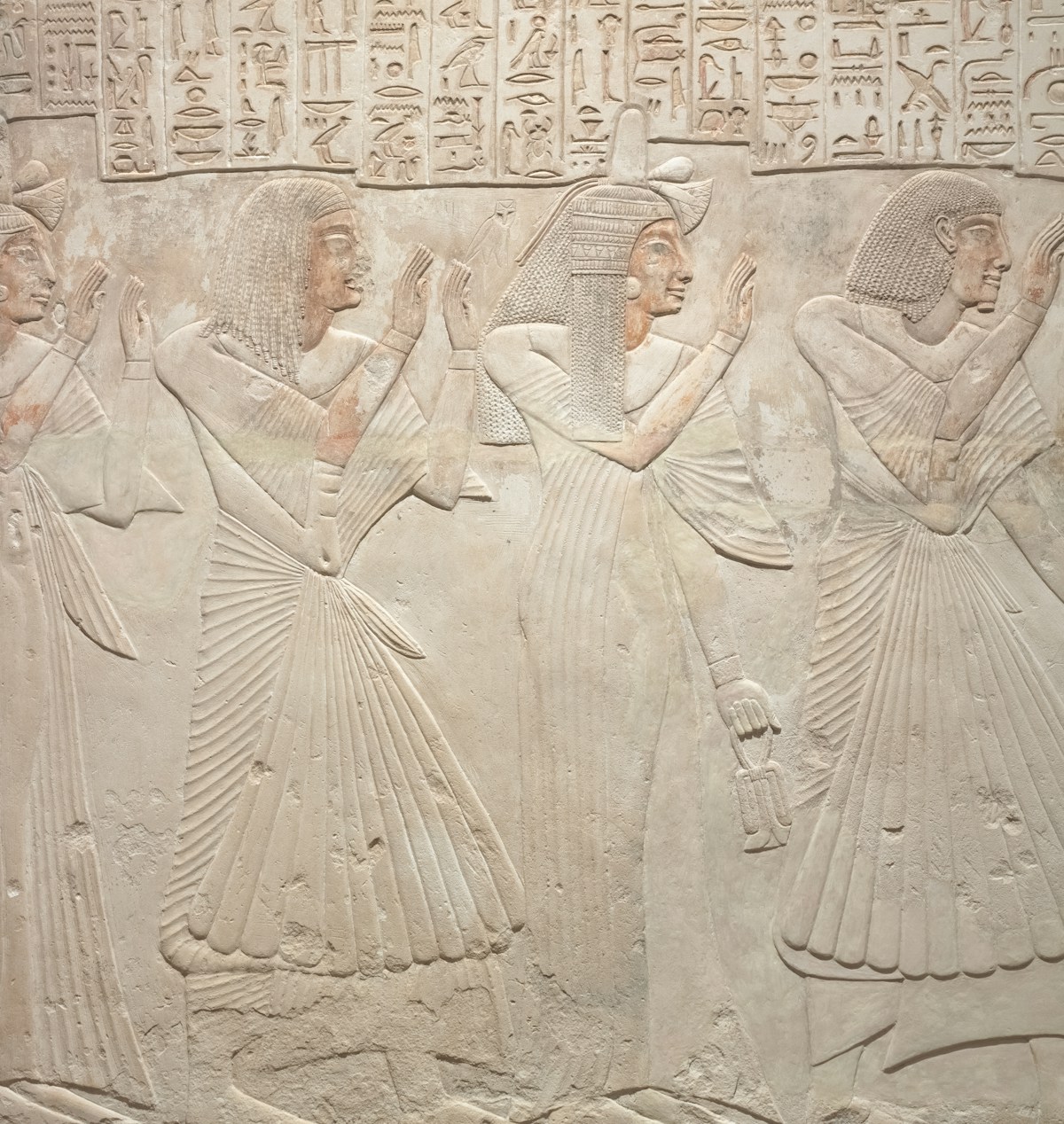
Deir el-Medina is the ancient workers’ village on Luxor’s West Bank where the artisans and labourers who built the Valley of the Kings tombs lived during the New Kingdom (c.1550–1070 BC). It is one of the most important and undervisited sites in Egypt - not for its scale, but for what it reveals about the people who created ancient Egypt’s most celebrated monuments.
The Community Behind the Royal Tombs
The village was purpose-built to house the workforce responsible for cutting, plastering, and decorating the royal tombs at Thebes. The residents were not slaves. They were skilled craftspeople - scribes, painters, stonecutters, and plasterers - who received grain rations from the state, had legal protections, could own property, and took disputes to a local court called the kenbet.
The community was isolated from the rest of Thebes and largely self-contained, which contributed to the remarkable documentary record it left behind.
The Ostraca: A Documentary Archive of Ancient Life
Deir el-Medina is exceptional for being one of the best-documented communities in the ancient world. Thousands of ostraca - pottery sherds and limestone flakes used as convenient writing surfaces - have been recovered from the site and its surroundings. They record work rosters, legal disputes, love poetry, medical notes, and shopping lists.
Most significantly, they document the world’s earliest known workers’ strike. Under Ramesses III (c.1156 BC), the workforce walked off the job when their grain rations - their wages - were not delivered on time. They sat outside the royal mortuary temples and refused to work until the matter was resolved. The event is recorded in detail on surviving documents. It is the first recorded instance of organised labour action in human history.
The Workers’ Tombs
The tombs the workers built for themselves are different in character from the royal tombs they were employed to construct. Smaller in scale, more personal in content, and often brilliantly preserved in colour, they depict individual visions of the afterlife rather than royal ceremony.
Three tombs are particularly notable. The Tomb of Sennedjem (TT1) contains beautifully preserved agricultural scenes - Sennedjem and his wife working fields in the afterlife under an idealized sky. The Tomb of Inherkha (TT359) is remarkable for the vibrancy of its colour. The Tomb of Pashedu (TT3) shows the owner drinking from a pool beneath a date palm - an unusually relaxed and personal afterlife image.
The Temple of Hathor
Within the Deir el-Medina enclosure stands a small Ptolemaic temple dedicated to Hathor and Maat. Built several centuries after the New Kingdom workers’ village was active, it is one of Luxor’s most intact smaller temples, with well-preserved painted relief interiors and a legible layout. It receives far fewer visitors than the Medinet Habu or Ramesseum temples on the same West Bank circuit and is worth the time.
Getting There and Combining Visits
Deir el-Medina is approximately 3km from the West Bank ferry dock. A West Bank taxi or hired bicycle covers the distance. It sits adjacent to the Valley of the Queens, making a combined visit straightforward - both sites can be seen in a half-day.
Why It Matters to Egyptology
The historical evidence from Deir el-Medina has fundamentally shaped modern Egyptology’s understanding of New Kingdom society. Before this site was systematically excavated, the picture of ancient Egyptian workers was largely projected from elite sources. The ostraca corrected that - revealing a community with strikes, debt disputes, love affairs, and opinions about their supervisors, recorded in their own hand.
See Also
- Valley of the Kings - the royal tombs that Deir el-Medina’s workers built; the natural companion site on the same West Bank morning
Search hotels in Luxor on Booking.com
- Luxor West Bank tours - how to combine Deir el-Medina with Hatshepsut Temple, the Valley of the Queens, and Medinet Habu in a day
- Luxor guided tours and West Bank excursions - browse full-day guided tours covering the West Bank circuit