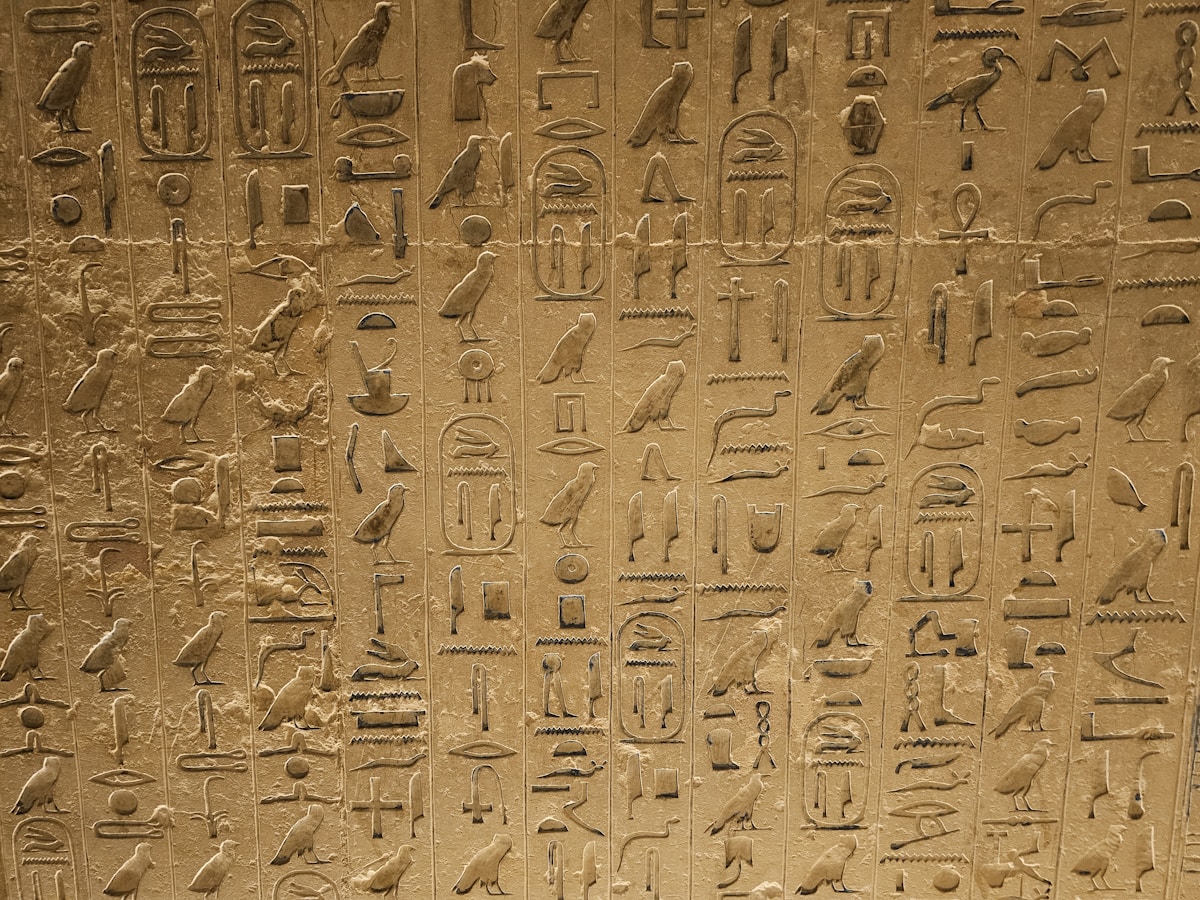
Akhenaten (born Amenhotep IV) reigned c.1353–1336 BC during the 18th Dynasty and introduced one of the most dramatic ruptures in Egyptian history: the suppression of traditional polytheism, the closure of the Amun temples at Karnak, and the construction of a purpose-built capital dedicated to a single deity - the Aten, the sun disc.
The Religious Reform
Akhenaten did not merely elevate a preferred deity within Egypt’s existing religious framework. He ordered the closure of the Amun temples, disbanded the Amun priesthood, and had the name of Amun physically erased from monuments across Egypt. The traditional pantheon was suppressed rather than simply deprioritised.
The Aten was not presented as simply the sun. The theology positioned the Aten as the divine creative energy of the sun as experienced in the living world - accessible through the pharaoh as intermediary, not through the traditional priestly institutions that had accumulated enormous power and wealth at Karnak.
Whether this constitutes monotheism in the philosophical sense remains a scholarly debate. What is clear is that it was enforced policy, not gradual religious evolution.
Akhetaten: A Capital Built from Nothing
In approximately the fifth year of his reign, Akhenaten chose a virgin site on the east bank of the Nile in Middle Egypt - 312km south of modern Cairo - and ordered a new capital city built. He named it Akhetaten (Horizon of the Aten). Modern Egyptologists call it Amarna or Tell el-Amarna.
The city was constructed in roughly five years and included royal palaces, administrative buildings, temples to the Aten, a workers’ village, and the rock-cut tombs of officials in the surrounding cliffs. At its peak it housed an estimated 20,000–50,000 people. It was abandoned within 15–20 years of Akhenaten’s death.
Amarna Art
The Amarna period produced a visually distinctive artistic style unlike any other phase of Egyptian art. Figures are elongated, with extended skulls, narrow torsos, and wide hips. The royal family - Akhenaten, Nefertiti, and their daughters - are shown in unusually intimate scenes: playing with children, relaxing together under the Aten’s rays.
The most famous object from this period is the bust of Nefertiti, discovered at Amarna in 1912 by German archaeologist Ludwig Borchardt. Made of painted limestone and stucco, it is now in the Neues Museum in Berlin. Egypt has requested its return multiple times; it has never been repatriated.
Nefertiti and the Question of Succession
Nefertiti was Akhenaten’s principal queen and is depicted with unusual prominence in Amarna-period art - in some images, in poses of power traditionally reserved for pharaohs. Whether she ruled independently after Akhenaten’s death (possibly as the pharaoh Neferneferuaten) is an active area of scholarly discussion. No definitive consensus has been reached.
Tutankhamun and the Reversal
Tutankhamun was almost certainly Akhenaten’s son, though his mother’s identity is disputed - the leading candidates are Nefertiti and a lesser wife named Kiya. He came to the throne as a child, with his name originally Tutankhaten (Living image of the Aten).
Under the guidance of his advisors, he reversed the Amarna reforms: the Amun temples were reopened, the old polytheism restored, and he changed his name to Tutankhamun. His successors - particularly Horemheb - went further, ordering Akhenaten’s name erased from king lists and Amarna dismantled. The stone blocks (called talatat blocks) were reused in construction at Karnak; many have since been recovered and documented.
Visiting Tell el-Amarna Today
The site is an uncommon but worthwhile destination for visitors with a specific interest in Egyptology. It lies 312km from Cairo, near the modern town of Mallawi, and is approximately 2.5 hours from Luxor by train and taxi.
Search hotels in Luxor on Booking.com
The city itself survives only as archaeological foundations and outlines in the desert. More visually accessible are the rock-cut tombs of Amarna nobles carved into the eastern cliffs - they contain painted scenes in the distinctive Amarna style, including elongated figures receiving rays from the Aten disc. The tombs are typically uncrowded and give a direct sense of how the Amarna visual idiom was applied in context.
Most major Amarna objects - statuary, relief fragments, the talatat blocks - are in the Egyptian Museum Cairo and the Neues Museum Berlin rather than at the site itself. Guided Egyptology tours in Egypt can include Tell el-Amarna as part of a Middle Egypt itinerary.