Egypt is outperforming its regional neighbours in 2026, with international tourist arrivals growing 16% year-on-year and 6.1 million visitors arriving in the first four months of the year. The figure puts Egypt ahead of Saudi Arabia, the UAE, Oman, Jordan, and Qatar in the region’s tourism growth rankings - an unusual position that analysts attribute directly to Egypt’s stability compared to the wider Middle East conflict.
Why Egypt is outpacing Gulf destinations
The ongoing conflict across the Middle East has created significant disruption to travel across the region. Airspace closures, cancelled routes, and heightened security concerns have reduced appetite for several Gulf destinations, while Egypt - whose airspace has remained open and whose main tourist sites have continued to operate normally - has emerged as the clear alternative.
Increased air connectivity is reinforcing this shift. EgyptAir launched nonstop service from Cairo to Los Angeles in May 2026 and began Cairo–Chicago flights on 21 June, expanding the airline’s North American reach and making Egypt more accessible from markets that typically travel to the Gulf. European carriers have also added capacity on routes into Cairo and Hurghada.
In Q1 2026 specifically, Egypt welcomed 5.6 million visitors with revenues reaching $5.1 billion - up from $3.8 billion in Q1 2025. This performance has prompted the Egyptian government to formally target 30 million annual visitors, more than double the 2024 figure, reflecting confidence in sustained growth momentum.
What the growth means for visitors
Tourism growth at this pace brings both benefits and practical considerations. On the positive side, new hotel openings, expanded tour operator capacity, and greater international visibility all improve the visitor experience. The Grand Egyptian Museum on the Giza Plateau, which officially opened its full collections in late 2025, is now drawing large numbers of visitors, particularly those who want to see exhibits previously held in storage.
Crowds at the most popular sites are increasing. The Valley of the Kings near Luxor, the Karnak Temple complex, and the Pyramids of Giza are busier than they have been in several years. Booking guided tours and entrance tickets in advance is now advisable, particularly for the Grand Egyptian Museum, where entry can sell out on busy days.
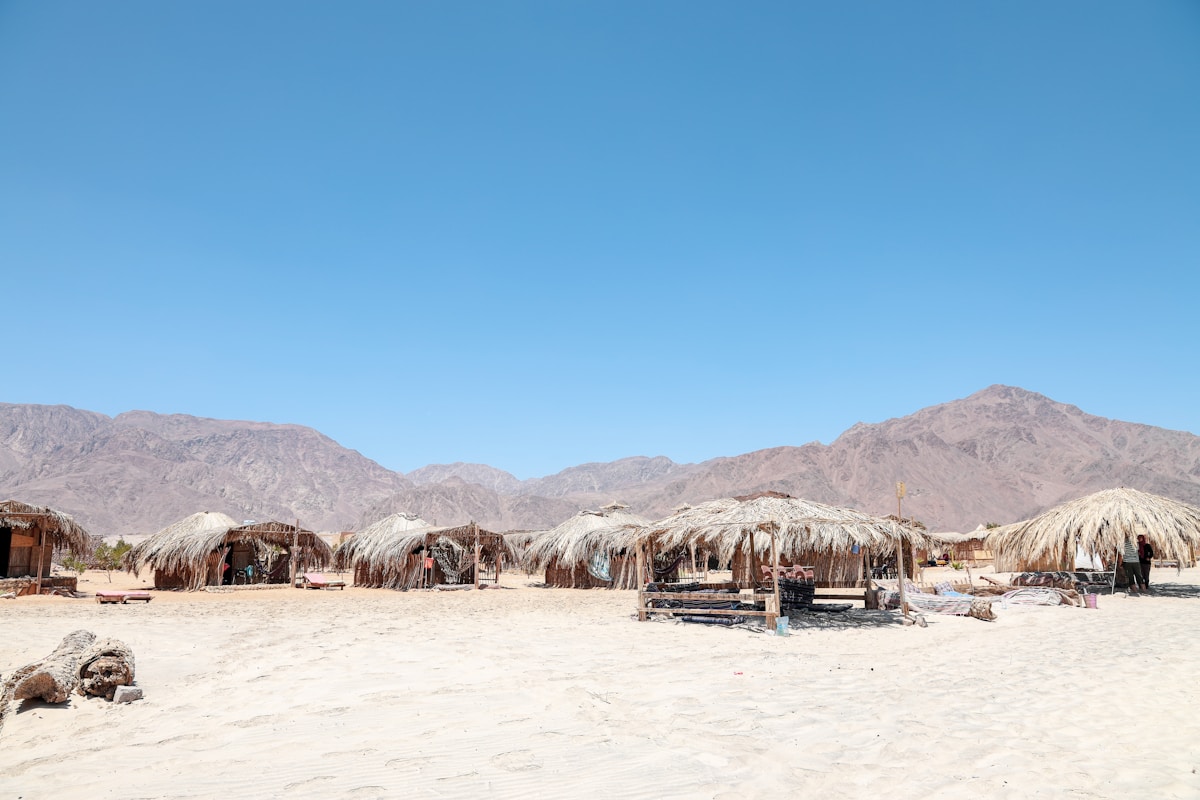
The peak summer heat across June and July concentrates most visitors at Red Sea resorts rather than ancient sites. Hurghada and Sharm el-Sheikh are experiencing strong demand from European beach travellers seeking a warm, direct-flight destination with competitive pricing. Our best time to visit Egypt guide covers the full seasonal breakdown.
Security and travel advisories
The main tourist destinations - Cairo, Luxor, Aswan, Hurghada, Sharm el-Sheikh, and Alexandria - are not subject to travel warnings and remain accessible to all nationalities. Some governments, including the US, maintain a Level 2 “exercise increased caution” advisory for Egypt as a whole, primarily due to terrorism risk in Sinai’s Northern Peninsula, which is entirely separate from the main tourist zones.
The positive trajectory in 2026 suggests Egypt is well-positioned to build on its recovery from the tourism disruptions of the past few years, with the government targeting continued growth through the remainder of the year.
Infrastructure expansion and the Grand Egyptian Museum
The infrastructure supporting this growth includes continued development of the Giza Plateau, with plans to add 20,000 to 25,000 new hotel rooms over the next three to five years. The Grand Egyptian Museum (GEM), now at full capacity, houses all 5,950 items from the Tutankhamun collection in a dedicated gallery - a complete assemblage that has never been publicly exhibited in one place before. Entry to the GEM costs approximately LE 1,100 for full access including the Tutankhamun galleries as of 2026, with advance booking strongly recommended during peak season.