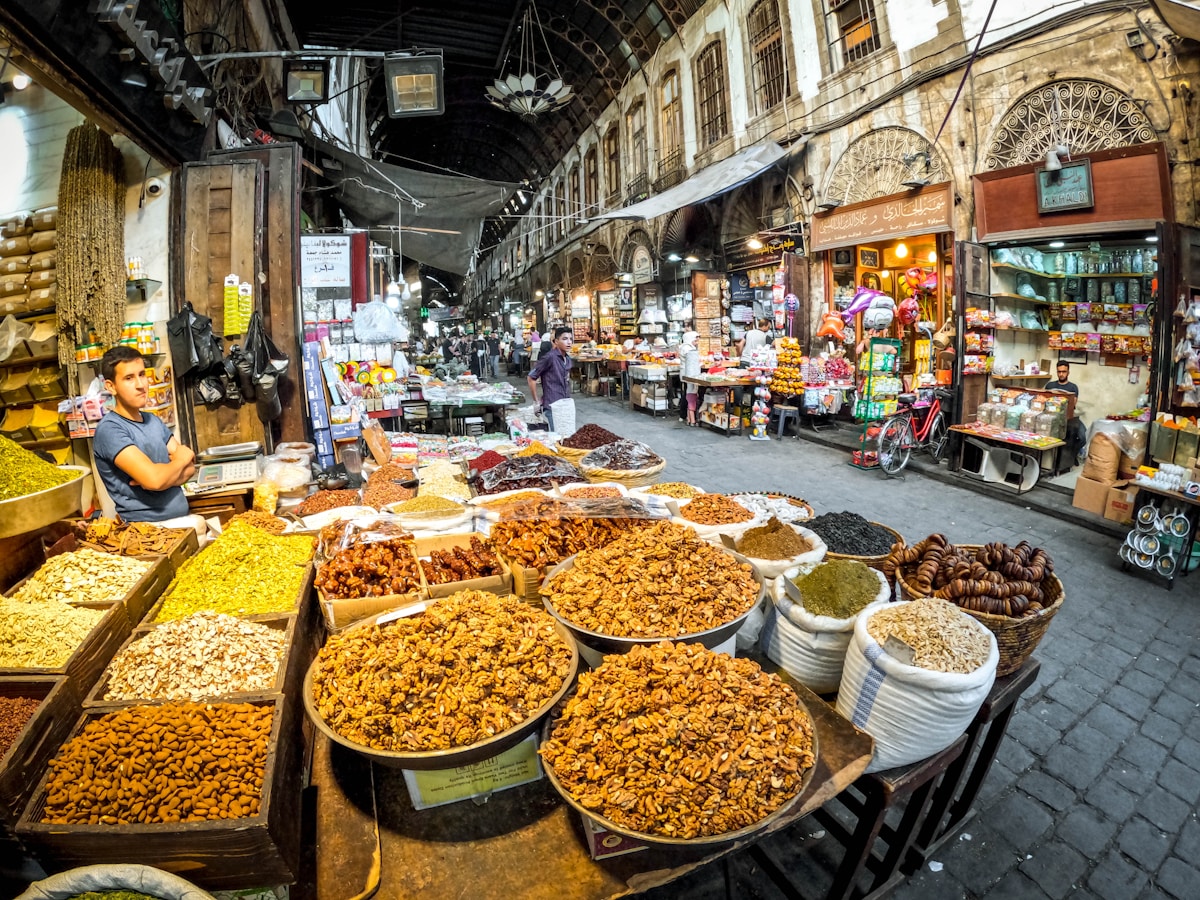
Egyptian cuisine sits in its own category. It shares ingredients with Levantine and North African cooking but has a distinct identity shaped by its geography, its agricultural history along the Nile, and a set of dishes that have been eaten in roughly the same form for centuries. Here’s what to know before you arrive.
The Foundation: Beans, Bread, and Rice
The bedrock of Egyptian cooking is cheap and filling. Fava beans - used in ful medames and ta’ameya - have been cultivated in Egypt since antiquity. Lentils appear in koshary and in thick soups (shorbat ads). Rice is the base starch for home meals. Aish baladi, the everyday flatbread, accompanies nearly everything.
This is a cuisine built around feeding large populations on limited resources, which makes it deeply practical and, at its best, genuinely good. The spicing is restrained - cumin dominant, with coriander, turmeric, and cinnamon appearing selectively. There is very little chilli heat by global standards.
Key Dishes to Know
Molokhia is one of those dishes that defines Egyptian cooking and divides visitors. Made from jute mallow leaves slow-cooked into a thick, slightly mucilaginous soup with garlic and coriander, it is eaten over rice or with bread. The texture is the challenge - the flavour, to those who accept it, is intensely savoury and deeply satisfying. It is a daily staple in Egyptian homes and rarely found at tourist-facing restaurants, which is a reason to seek out local neighbourhood dining.
Mahshi is the Egyptian version of stuffed vegetables: peppers, courgette, aubergine, and vine leaves filled with a mixture of rice, herbs, tomato, and sometimes meat. It is a celebratory and comfort dish, time-consuming to prepare, and best eaten at a restaurant that makes it to order rather than from a steam table. Abou El Sid in Cairo’s Zamalek neighbourhood is a reliable place to eat it at EGP 300–600 per person for a full meal.
Hamam mahshi (stuffed pigeon) is a specialty of Cairo and Upper Egypt. Small pigeons are stuffed with green wheat (freek) or rice mixed with spices, then grilled or roasted. The meat is gamey and rich. It appears in traditional restaurants near Islamic Cairo - around Khan el-Khalili and Al-Hussein Square.
Koshary is covered in the street food guide, but it belongs here too - it is the country’s most democratic dish, eaten across all income levels, from street carts to sit-down restaurants, for EGP 25–60.
Grilled Meat Culture
The Egyptian grill tradition is direct and simple: kofta (spiced minced meat on skewers), kebab (chunks of marinated lamb), and grilled chicken served with bread, salad, and tahini. These are not elaborate dishes - the quality depends entirely on the meat and the fire. A busy neighbourhood grill in Cairo, Luxor, or Aswan will produce better kofta than any tourist-facing restaurant. A full kofta and kebab meal runs EGP 150–350 at a local grill.
Desserts and Sweet Things
Om Ali is Egypt’s signature dessert: layers of puff pastry or stale bread soaked in cream and milk, mixed with raisins, coconut, and nuts, then baked until golden. It is served hot and is rich without being cloying. Found at restaurants and hotel buffets throughout the country; typically EGP 80–150 per portion.
Konafa (Kunafa) is shredded wheat pastry layered over cream or white cheese, soaked in sugar syrup, and eaten warm. It is particularly prevalent during Ramadan when street stalls operate into the early hours. EGP 20–120 depending on portion size and setting.
Drinks
Ahwa (Egyptian coffee) is strong, often laced with cardamom, and served in small glasses without milk. Order “mazbout” for medium sweet, “ziyada” for extra sweet, “sada” for no sugar. Found at every traditional coffeehouse (ahwa) - a cultural institution as much as a food venue.
Karkade - hibiscus tea - is one of Egypt’s most distinctive drinks. Served hot or cold, deep red, and slightly tart. Particularly prominent in Nubian areas around Aswan, where it is sometimes made with notably high quality dried hibiscus.
Aseer (fresh juice) is widely available from street stalls throughout Egypt. Mango, guava, sugarcane, and pomegranate are the most common. EGP 15–40 per glass. Quality varies - stalls that juice to order are preferable to those serving pre-made juice sitting in a plastic container.
Regional Differences
Alexandria is a seafood city. The food culture is Mediterranean-influenced: grilled fish by weight, calamari, prawns, and a seafood-forward approach quite different from Cairo. See our Alexandria seafood guide.
Nubian cooking (Aswan area) uses more spice and distinct herb combinations compared to Lower Egyptian food. The Nile perch (Nile tilapia), available throughout Egypt, is at its freshest here, grilled simply with garlic and cumin.
Sinai has a Bedouin cooking tradition centred on slow-cooked meat - whole lamb cooked over coals or in a sand-buried pit - and simple starches. Eating at a Bedouin camp in the Sinai interior is a different experience from restaurant Egypt entirely.
Upper Egypt (Luxor and south) has heavier, more meat-forward food than Cairo. Kofta and grilled chicken are the default restaurant meals. The clay oven is more central here, and the bread quality is high.
Explore Egyptian Food on a Guided Tour
Understanding Egyptian cuisine is significantly easier with a guide who can explain the history behind dishes like koshary and molokhia, introduce you to the market vendors selling the raw ingredients, and steer you past tourist-facing menus to the restaurants and street carts that Cairenes actually eat at. Guided food tours in Egypt typically combine a morning market visit with stops covering ful, ta’ameya, koshary, and a traditional sit-down Egyptian meal — the full picture of daily eating compressed into a single session. Browse Cairo food tours and cooking classes.
Eating Practically
Locals eat lunch as the main meal, typically 2–4pm. Dinner is late - 8–10pm is standard. Breakfast is substantial: the ful and ta’ameya culture is strong, and many Egyptians eat a full sit-down breakfast before work.
Restaurant meals in tourist areas are significantly more expensive than local equivalents. For most dishes, a neighbourhood establishment will produce better food at a quarter of the price. The tourist surcharge is most pronounced near Giza, along Luxor’s Corniche, and in the souvenir sections of markets.
More Food Guides
- Egyptian Street Food
- Egyptian Desserts
- Cairo Restaurants
- Alexandria Seafood Guide
- Luxor Restaurants
- Eating During Ramadan in Egypt
Plan Your Trip
- Cairo Travel Guide - where to eat near the pyramids and in central Cairo
- Luxor Travel Guide - the best restaurants on the East and West Banks
- Alexandria Travel Guide - Egypt’s seafood capital on the Mediterranean
- Egypt Etiquette and Customs - dining etiquette and what to expect in restaurants
- Cairo food tours and cooking classes - guided market visits and hands-on Egyptian cooking experiences
- Travel insurance for Egypt — covers medical emergencies and trip disruptions
- eSIM for Egypt — data from the moment you land, no physical SIM needed