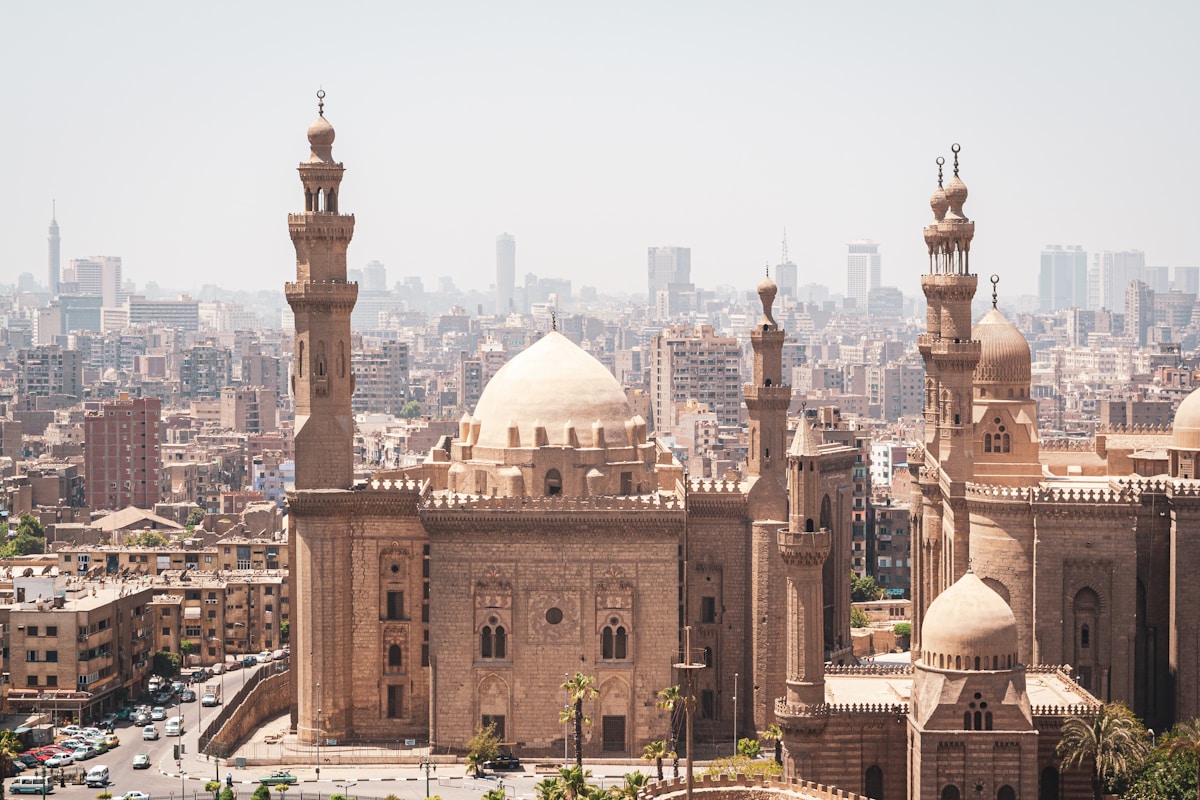
Egypt is an unconventional remote-work base, and that’s part of its appeal. The cost of living is low - even by emerging-market standards - the culture is extraordinary, and the combination of Cairo’s urban energy and Dahab’s laid-back Red Sea pace offers two genuinely different nomad experiences within the same country. The infrastructure has real limitations, and the visa situation requires more planning than destinations with dedicated nomad programmes, but for those willing to work around it, Egypt rewards them with some of the cheapest day-to-day costs anywhere in the region.
The Visa Situation
Egypt does not have a dedicated digital nomad visa as of 2026. What it does have is a tourist e-visa that is easy to obtain and extendable once in-country.
Most nationalities (including all EU citizens, UK, US, Canadian, and Australian passport holders) can apply online at visa2egypt.gov.eg for approximately USD 25. Processing takes three to five business days. The visa grants 30 days from the date of entry.
Extension: Apply at the Mugamma building on Tahrir Square in Cairo, or at a local passport office, before your visa expires. The extension adds a further 30 days - maximum total stay of 60 days on a single tourist entry.
Beyond 60 days: Exit Egypt and re-enter on a fresh visa. The two most common border-reset routes are:
- The Nuweiba to Aqaba ferry crossing to Jordan (approximately 3 hours)
- The Taba border crossing to Israel/Eilat (ground crossing, typically 1–2 hours)
Both routes are used regularly by long-stay nomads and travellers, but practical conditions can vary. Verify current status before planning around either option.
Cost of Living
Egypt’s cost of living is one of its strongest selling points, though the rapid devaluation of the Egyptian pound over the past few years means that EGP figures should always be read alongside the current exchange rate.
Cairo
- Apartment in Maadi or Zamalek: approximately EGP 15,000–35,000/month as of 2026
- Meal at a mid-range restaurant: EGP 300–1,200
- Street food lunch (koshary, falafel, ful): EGP 30–80
- Uber/Careem ride across the city: EGP 60–250
- Coworking day pass: approximately EGP 200–500/day
Dahab
- Beachfront guesthouse room (long stay): EGP 2,000–5,000/month
- Self-contained apartment: EGP 3,500–7,000/month
- Meal at a local waterfront restaurant: EGP 100–400
- Coffee at a working cafe: EGP 50–120
Search hotels in Egypt on Booking.com
At a USD/EGP rate of approximately 50:1 (mid-2026), these figures represent genuinely low costs even on a modest remote income. Check current rates - the EGP has moved substantially in recent years.
Internet and SIM Cards
SIM cards: Buy at Cairo Airport arrivals hall immediately on landing. The main operators are:
- Vodafone Egypt - best overall coverage in Cairo and major tourist sites; recommended as a first choice
- Orange Egypt - strong in Sinai and the south; good alternative in Dahab and Sharm el-Sheikh
- e& (Etisalat) - competitive data pricing
Tourist SIM packages cost approximately EGP 50–150 for 30 days with 5–20 GB of data as of 2026. Bring your passport.
eSIM: Airalo supports Egypt if you prefer to set up before arriving.
Home internet: WE Telecom (formerly Telecom Egypt) is the dominant fixed-line provider. Typical residential ADSL speeds run 20–50 Mbps; VDSL connections in central Cairo can reach 100–150 Mbps.
Power cuts: Occur across Egypt, particularly in summer months when demand peaks. Keep your laptop charged at all times and carry a power bank. This is standard practice for every resident and long-stay visitor.
Best Cities for Digital Nomads
Cairo
Cairo is Egypt’s default nomad base - it has the infrastructure, the coworking options, the international airport connections, and the sheer breadth of things to do and eat. The Egyptian Museum, Islamic Cairo, Coptic Cairo, and the Pyramids are all on your doorstep. The trade-off is a dense, loud, chaotic city of 20 million people that requires mental adjustment, particularly in the first week.
Best nomad neighbourhoods: Maadi (southern Cairo) for its quieter tree-lined streets, expat community, and concentration of international cafes. Zamalek (a Nile island) for its village-within-a-city feel, upscale cafes, and walkability.
Read our full digital nomad guide to Cairo for coworking spaces, cafe recommendations, and neighbourhood breakdowns.
Dahab
Dahab is Egypt’s cult nomad destination - a small town on the Gulf of Aqaba in southern Sinai with a long-established international traveller community, excellent diving, and some of the cheapest long-stay costs anywhere in the Mediterranean and Red Sea region. The internet is functional rather than fast, nightlife is minimal, and deliveries from Cairo take days. For nomads who want to slow down, dive regularly, and work from a beachfront table, it is hard to beat.
Read our full digital nomad guide to Dahab for accommodation options, honest internet assessment, and the reality of long-term stays.
Alexandria
Egypt’s second city and Mediterranean port is an underrated nomad option. Cheaper than Cairo, with a distinct character - wide corniche, Greek and Italian architectural remnants, outstanding seafood, and cooler summers than the Nile Valley. The expat and nomad community is smaller than Cairo, and coworking infrastructure is limited, but residential internet is good and the quality of life is high. Avoid July and August when the entire city fills with Egyptian summer holidaymakers.
Hurghada
A larger Red Sea resort town with improving infrastructure, reliable Vodafone coverage, and lower accommodation costs than El Gouna. Less compact than Dahab - a car or regular Uber use is necessary to get around. More options for grocery shopping and amenities than Dahab, which makes longer stays more comfortable. Less character.
Coworking Spaces in Cairo
Cairo’s coworking scene is growing but is less developed than equivalent cities in Southeast Asia or Europe. Options as of 2026:
- Rasheed22 (Zamalek) - one of the most popular coworking spaces among the international community; day passes approximately EGP 150–300 as of 2026
- District (Maadi and other locations) - professional atmosphere with reliable Wi-Fi; approximately EGP 200–400/day
- Fabrika (various locations) - more affordable; popular with Egyptian freelancers and startups; approximately EGP 100–250/day
- Cairo Hub (Downtown) - longer-term memberships; less suited to drop-in day use
Prices and availability change; call or message ahead before making the trip.
Practical Notes
Currency: Egypt operates almost entirely on cash in daily life outside tourist-grade hotels and restaurants. Carry EGP. ATMs are widely available in Cairo but can run out in smaller towns, including Dahab - withdraw what you need before leaving the city.
Banking: Notify your bank before arrival. Some foreign cards are rejected at ATMs without prior notification. Having two cards from different networks (Visa and Mastercard) is sensible insurance.
Health: Travel insurance with medical evacuation cover is strongly recommended. Public hospitals are basic; private hospitals in Cairo (Dar Al Fouad, As-Salam International) provide a reasonable standard of care. Carry prescription medications in original packaging with documentation.
Weather for work: October to April is the comfortable working season across Egypt. Cairo in July and August is genuinely hostile - 38–40°C, haze, and near-universal use of air conditioning that drives up electricity costs. Dahab runs cooler, but summer heat is still a factor. If you are choosing when to come, aim for November to March.
Egypt is not the easiest remote-work base in the region, but it rewards the effort. The combination of extraordinary history, genuinely warm hospitality, absurdly low costs, and the choice between Cairo’s intensity and Dahab’s calm makes it one of the more interesting nomad destinations available in 2026.
City Guides for Digital Nomads
- Digital Nomad Guide to Cairo
- Digital Nomad Guide to Dahab
- eSIM Options for Egypt
- Cairo Travel Guide - neighbourhoods, transport, and practical Cairo logistics
- Dahab Travel Guide - the slow Sinai coast, dive community, and long-stay costs
- Egypt Visa Guide - tourist visa extensions and Sinai-only rules
- Egypt Travel Budget - realistic monthly cost breakdown
- Get an Egypt eSIM before you fly - essential for nomads arriving with data needs from day one