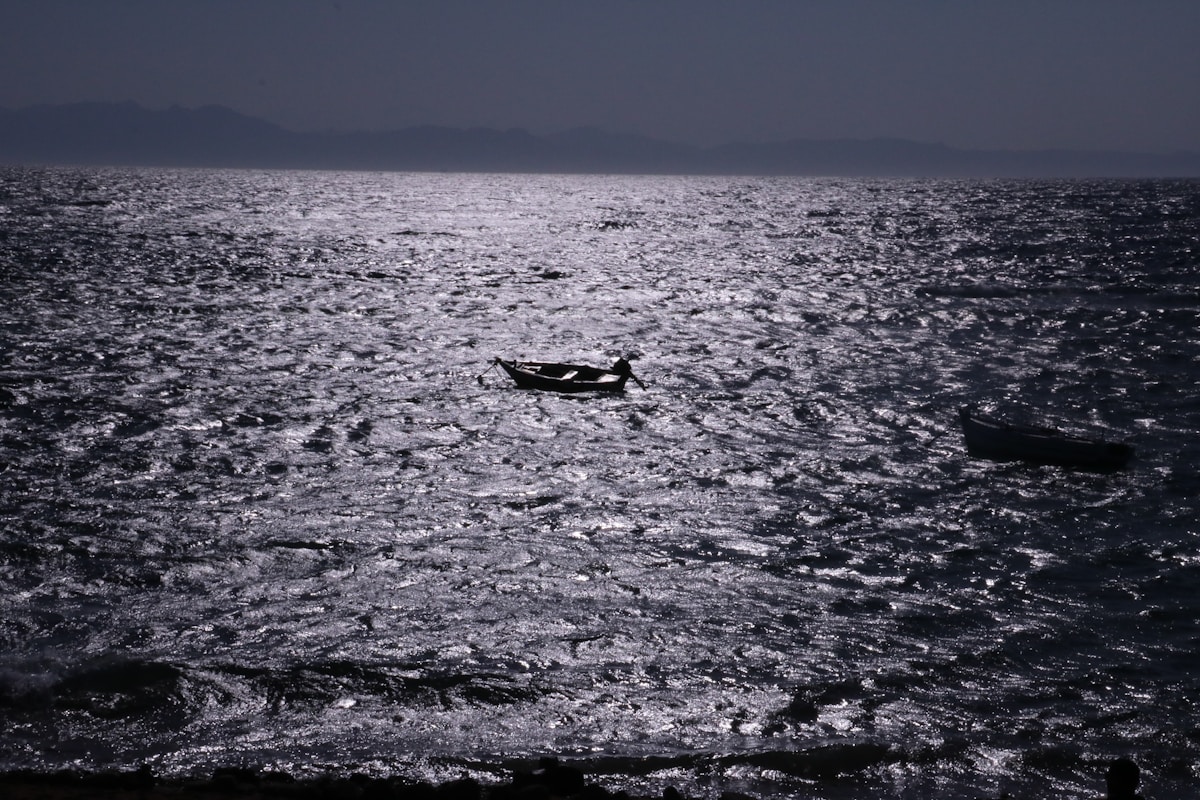
Dahab has had a cult following among long-term travellers and remote workers for thirty years. The reasons are consistent: it is cheap, beautiful, relaxed, and oriented entirely around the Red Sea - diving, snorkelling, windsurfing, and the rhythm of a small coastal town that hasn’t been completely buried under resort development. For nomads who can work with moderate internet and don’t need a city around them, it is one of the most compelling long-stay options in the region. This guide gives you an honest picture.
Why Nomads Choose Dahab
Dahab began as a Bedouin fishing village. It attracted divers in the 1980s, backpackers in the 1990s, and an international community that has never entirely left. The result is a town with a genuinely diverse, internationally-minded population - Egyptians, Western long-termers, Russian and Ukrainian divers, Israeli day-trippers, and everyone in between - living cheaply alongside each other on a strip of coastline where the Sinai desert meets the Gulf of Aqaba.
The cost of living is the headline. Rent, food, and daily expenses in Dahab run a fraction of equivalent costs in Cairo, let alone European or American cities. The diving is world-class - the Blue Hole and the Canyon are within a short drive, and dozens of local sites are accessible directly from the beach. The pace is deliberately slow.
For nomads whose work requires only moderate internet speeds - writing, design, most software development tasks - Dahab functions. For nomads whose work depends on consistent high-bandwidth connections (video production, large file transfers, real-time trading), it requires honest testing before committing.
Internet: The Honest Assessment
The internet in Dahab is functional but not fast, and consistency varies by location.
Mobile data: Vodafone Egypt is the most reliable operator in Dahab, with usable signal on the main promenade and the central market area. Orange Egypt has decent coverage as a backup, particularly for the areas of Mashraba and the lagoon. e& (Etisalat) is a more distant third. Get both Vodafone and Orange SIMs at Cairo Airport before travelling down - you will not regret the redundancy. An Egyptian eSIM can be activated before arrival, though check provider coverage for Sinai specifically.
Tourist SIMs run approximately EGP 50–150 for 30 days with 5–20 GB of data as of 2026. Top-ups are available at small shops throughout Dahab.
Cafe Wi-Fi: Established cafes and restaurants on the main promenade typically offer Wi-Fi in the 10–40 Mbps range. Actual speeds vary by time of day - early morning is usually fastest. Evening and weekend afternoons are most congested.
Residential internet: If renting an apartment long-term, WE Telecom (Telecom Egypt) fixed-line ADSL is available but speeds are lower than in Cairo - expect 10–30 Mbps on a good connection. Fibre is not widely available in Dahab as of 2026. Many long-stay nomads rely primarily on mobile hotspots rather than residential broadband.
Bottom line: Test your specific accommodation’s signal before paying a month upfront. Many landlords will allow a two- or three-night trial precisely for this reason.
Cost of Living
Dahab is remarkably cheap for the quality of life on offer.
Accommodation
- Guesthouse room (Bedouin lodge, long-stay monthly rate): approximately EGP 1,500–4,000/month as of 2026
- Basic furnished apartment: approximately EGP 3,000–5,500/month
- Larger furnished apartment or chalet with kitchen: approximately EGP 5,000–8,000/month
All long-stay accommodation is negotiated directly with owners - monthly rates are significantly lower than nightly rates. Arriving and talking to owners in person almost always produces better deals than online booking platforms.
Food and drink
- Meal at a local restaurant (koshary, foul, grilled fish): EGP 80–250
- Meal at a mid-range waterfront restaurant: EGP 250–600
- Coffee or fresh juice: EGP 50–120
- Grocery shopping for a week (cooking at home): approximately EGP 800–2,000
Diving
- Single fun dive (equipment included): approximately EGP 400–700/dive as of 2026
- PADI Open Water course: approximately EGP 4,000–6,500
- Freediving courses (Dahab is a major freediving hub): pricing varies by operator
Monthly total for a solo nomad with modest apartment, eating out daily, and occasional diving: approximately EGP 8,000–18,000/month as of 2026 - roughly USD 160–360 at mid-2026 exchange rates. These are genuinely low numbers.
Where to Stay
Bedouin Lodge - One of Dahab’s most well-known long-stay options; Bedouin-run guesthouses with basic but clean rooms and garden areas. Pricing is negotiable for stays of a month or more.
Search hotels in Dahab on Booking.com
Nesima Resort - At the higher end of Dahab’s accommodation scale; hotel-standard rooms with reliable Wi-Fi and a dive centre on site. More expensive than guesthouses but has the infrastructure for comfortable work. Approximately EGP 2,500–5,000/night for a double room; enquire about long-stay rates separately.
Apartment rentals: The practical choice for most nomads planning a stay of three weeks or more. Ask at local cafes, diving schools, and Facebook groups for Dahab residents - word of mouth is how most apartments are rented. Facebook group “Dahab Expats & Long-Term Visitors” is a useful starting point.
Laguna Beach area and Mashraba have the highest concentration of accommodation options and are well-positioned for both the beach and the main working cafes.
Best Cafes to Work From
Al Capone - Famous waterfront cafe with views directly onto the Gulf of Aqaba and the Sinai mountains across the water. Wi-Fi is available; the view and breeze make it an excellent morning work spot. Gets busier in the evening when it transitions into a social meeting point.
Leila’s Bakery - Located slightly back from the waterfront. Known for reliable Wi-Fi, good coffee, and Western-friendly food. A consistent recommendation among long-stay nomads for serious work sessions.
Furry Cup - Small, relaxed cafe with a focus on coffee quality. Reliable Wi-Fi; less busy than the main promenade venues.
Most waterfront restaurants in Dahab will let you work from a table with a drink order, particularly outside peak meal times. The culture is accommodating of people sitting for extended periods.
Dahab as a Lifestyle Base
Beyond work, Dahab offers a specific way of living that appeals strongly to certain nomads and not at all to others.
Diving and the sea: The Blue Hole - a 100-metre circular sinkhole dropping into the open sea - is 8 km north of town. The Canyon dive site is 5 km away. Eel Garden and The Islands are accessible directly from the beach in front of town. If you dive, Dahab is extraordinary. If you don’t dive, snorkelling off the beach is free and the coral is in good condition in the northern sections.
Freediving: Dahab is one of the world’s most prominent freediving destinations. Apnea Total and Freedive Dahab are among the operator names consistently mentioned, though the scene shifts - ask locally on arrival.
Sinai desert day trips: The Colored Canyon (approximately 65 km from Dahab), Mount Sinai (approximately 90 km), and Wadi Gnai are all accessible as day trips. Organised jeep tours are available from town, typically EGP 400–1,000/person.
Jordan via Nuweiba: The Nuweiba ferry to Aqaba (Jordan) is the most common border reset route. Minibuses from Dahab to Nuweiba run approximately EGP 100–200 each way; the ferry ticket to Aqaba runs approximately USD 60–80 each way (prices in USD for foreigners as of 2026 - verify current pricing). Total cost for a day-trip reset is approximately USD 150–200 including both border crossings and the return trip.
The Honest Downsides
Dahab should be chosen with clear eyes. The limitations are real:
- Internet: Functional but not reliable for high-bandwidth work. Single-point failure risk is higher than in Cairo.
- Power cuts: More frequent and longer than Cairo, particularly in summer.
- Medical care: Very limited in Dahab itself. Serious medical issues require the journey to Sharm el-Sheikh (approximately 80 km), which has a decompression chamber and a reasonable private hospital. This matters if you dive.
- Limited logistics: No food delivery apps in the way Cairo has. Limited supermarket options - fresh produce and basics are available, but imported goods and specialty items require a trip to Sharm or a friend bringing things from Cairo.
- Small town dynamics: The main promenade is 2–3 km long and you will know most regular faces within two weeks. For some, this community is a feature. For others, the lack of anonymity becomes claustrophobic.
- Minimal nightlife: A few bars and live music venues; nothing approaching a city entertainment scene.
For the right type of nomad - self-directed, comfortable with a slower pace, and with work that doesn’t demand 100 Mbps uptime - Dahab is genuinely excellent. For a broader picture of working remotely in Egypt, including Cairo comparisons, read our digital nomad Egypt overview. On rest days, guided tours around Dahab and the Sinai - including the Colored Canyon, Blue Hole snorkelling, and Bedouin desert camps - are bookable through operators in town.