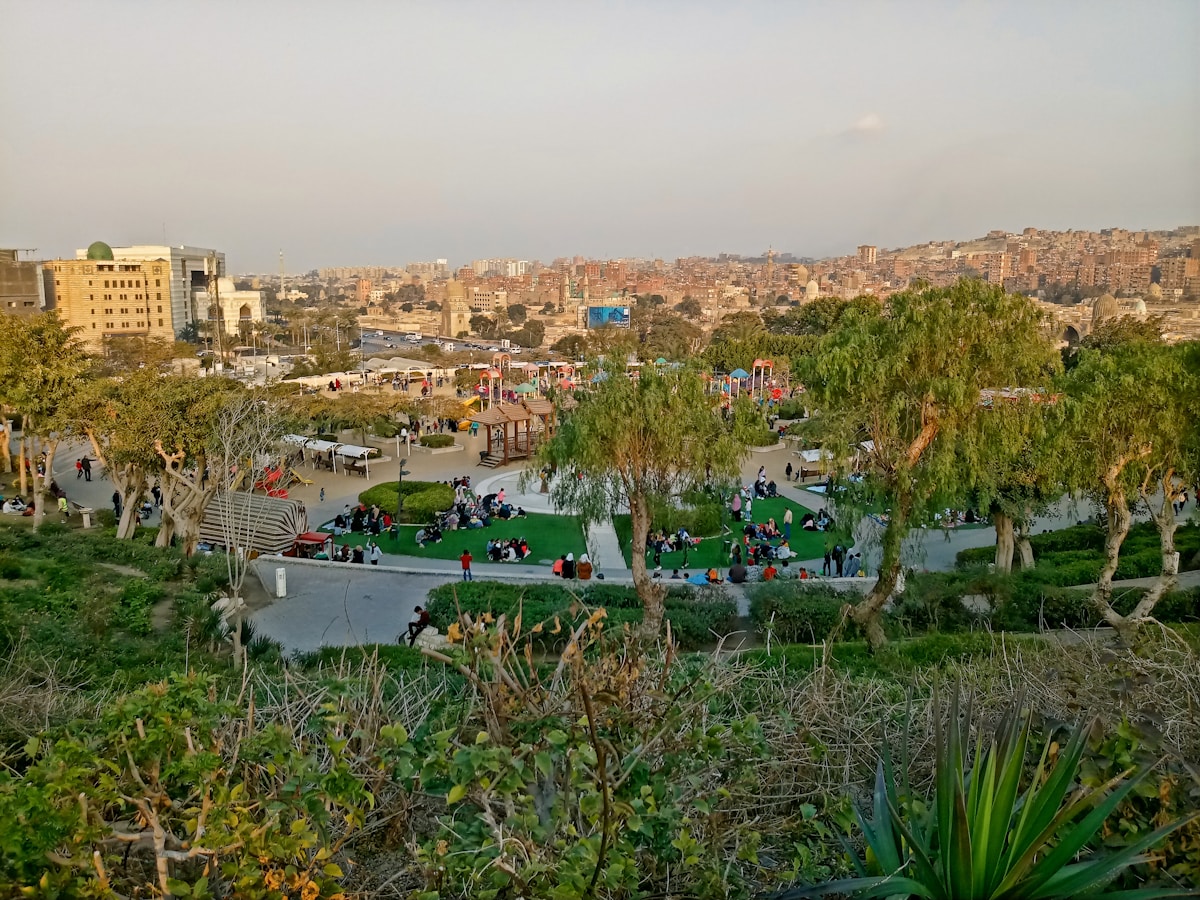
Cairo’s cafe scene divides cleanly into two worlds: the traditional ahwa (coffeehouse) culture that has existed for centuries, and a growing third-wave specialty scene in the wealthier residential neighbourhoods. For remote workers, the overlap is imperfect — the best local coffee culture spots are rarely the most productive work environments, and vice versa. This guide covers both angles.
Egyptian Coffee Culture: The Ahwa Tradition
The ahwa is the soul of Cairo’s cafe life. These traditional coffeehouses serve Turkish-style brewed coffee (ahwa) in small cups alongside black tea, mint tea, and shisha. You find them on almost every street: plastic chairs, marble tables worn smooth, backgammon boards, and the constant sound of dominoes. Prices are among the lowest in the region — coffee or tea runs approximately 20–50 EGP (roughly $0.40–$1), and you can sit for hours without pressure to leave or reorder.
El Fishawi in Khan el-Khalili is the most famous ahwa in Cairo, operating continuously since 1798. It is genuinely worth a visit — not for working, but for understanding what Cairene coffeehouse culture actually is. Open 24 hours, chaotic, atmospheric, and frequented by both locals and tourists. WiFi does not exist and would be irrelevant if it did. Come here on a rest day.
The ahwa tradition also includes juice shops, tea stalls, and street-side kiosks. None of these are remote work environments, but spending a morning absorbing the rhythm of the neighbourhood before retreating to a work cafe is a reasonable Cairo strategy.
Specialty Coffee in Cairo
The third-wave scene is concentrated in Zamalek, Maadi, and parts of Heliopolis. Quality has improved significantly since 2020 — single-origin pour-overs, seasonal espresso menus, and trained baristas are all available if you know where to look. Prices are low by international standards: a flat white at a specialty cafe runs approximately 100–150 EGP (about $2–$3 as of 2026).
Espresso Lab operates the most consistent specialty experience in Cairo, with branches in Maadi and Downtown. The Maadi branch in particular suits focused work: calm atmosphere, good light, WiFi speeds typically in the 25–50 Mbps range, and baristas who treat coffee seriously.
The Grind (Zamalek) has established itself as one of the better independent options — quality coffee, manageable noise, and a clientele that includes both laptop workers and casual visitors. Less predictable than a chain but higher quality.
Diwan Bookshop Cafes in Zamalek and Heliopolis offer a quieter atmosphere suited to longer writing sessions. The coffee is competent rather than exceptional, WiFi runs 15–30 Mbps (moderate but adequate for most tasks), and the book-lined environment means fewer walk-in groups. Less suitable for video calls if you need silence.
Digital Nomad Practicalities
Best Neighbourhoods for Remote Work
Zamalek is the most reliable base. On Gezira Island in the Nile, it is significantly quieter than Downtown, has the highest density of quality cafes, and attracts an expat and professional population that sustains the infrastructure you need. WiFi is more consistent here than in tourist-facing areas where networks are overloaded. Walkable, with fewer of the sensory demands of central Cairo.
Maadi, roughly 10km south of Downtown, is predominantly residential and expat-heavy. Road 9 and the surrounding streets have a cluster of cafes with reliable air-conditioning, functional WiFi, and a calmer environment than central Cairo. Better suited to longer stays — further from sights but significantly easier to maintain concentration.
Downtown has options but requires more selection. Avoid cafes immediately adjacent to Tahrir Square or the tourist circuit — networks are congested. A few streets back from the main drag, the situation improves.
WiFi Speed Reality
Better-equipped cafes in Zamalek and Maadi typically run 25–80 Mbps — sufficient for video calls, large file uploads, and simultaneous tasks. Networks in tourist-heavy areas run 5–20 Mbps at best, often with congestion during peak hours. Testing before committing to a seat takes 30 seconds and prevents wasted sessions.
Power Outlets
Egyptian sockets are European 2-pin (Type C and F). Availability at cafe tables is inconsistent — Cilantro branches are the most reliable, with sockets at a majority of tables. Specialty and bookshop cafes are hit-or-miss. Carry an adaptor; bring a fully charged laptop.
Noise Levels
Cairo cafes are social environments. The quietest hours are early morning (8–11am) and mid-afternoon (3–5pm). The midday rush (1–3pm) brings noise and network congestion. Evening is social, not productive — Cairo’s cafe culture runs late and gets louder as the night progresses.
Dedicated Coworking
For stays of a week or longer, dedicated coworking is worth evaluating. Webook offers conventional coworking in the business district with reliable high-speed internet (50–100 Mbps), stable power, and meeting room access at approximately 200–400 EGP per day (about $4–$8). Cairo Hackerspace is more community-oriented, with membership options suited to tech and maker work. These are more appropriate for sustained remote work than single-day cafe sessions.
Comparison: Cairo’s Top Work Cafes
| Cafe | Area | WiFi Speed | Noise Level | Price Range | Best For |
|---|---|---|---|---|---|
| Cilantro | Zamalek, Maadi, Downtown (multiple) | 30–60 Mbps | Moderate | 90–120 EGP (~$1.80–$2.40) | All-day work, calls |
| Espresso Lab | Maadi, Downtown | 25–50 Mbps | Low–Moderate | 100–150 EGP (~$2–$3) | Focused writing, quality coffee |
| The Grind | Zamalek | 20–45 Mbps | Low–Moderate | 110–150 EGP (~$2.20–$3) | Specialty coffee + work |
| Diwan Bookshop Cafe | Zamalek, Heliopolis | 15–30 Mbps | Low | 70–100 EGP (~$1.40–$2) | Long writing sessions |
| El Fishawi | Khan el-Khalili | No reliable WiFi | Very High | 20–40 EGP (~$0.40–$0.80) | Local culture experience (not work) |
| Webook Coworking | New Cairo / Business district | 50–100 Mbps | Low | 200–400 EGP/day (~$4–$8) | Full-day remote work |
Prices approximate as of 2026. WiFi speeds from user reports — test on arrival.
Practical Notes
The most productive approach in Cairo: use Zamalek or Maadi cafes for morning work sessions (8–11am), then switch to coworking if you need sustained afternoon focus. Keep a local SIM with data as a backup — Vodafone Egypt offers prepaid data at very low cost, and an Egyptian eSIM is available if you want data active before landing. On rest days, guided tours of Cairo covering the Pyramids, Islamic Cairo, and the Egyptian Museum are easy to book through hotels or online platforms. For accommodation in Zamalek, Maadi, or Downtown, search hotels in Cairo on Booking.com.