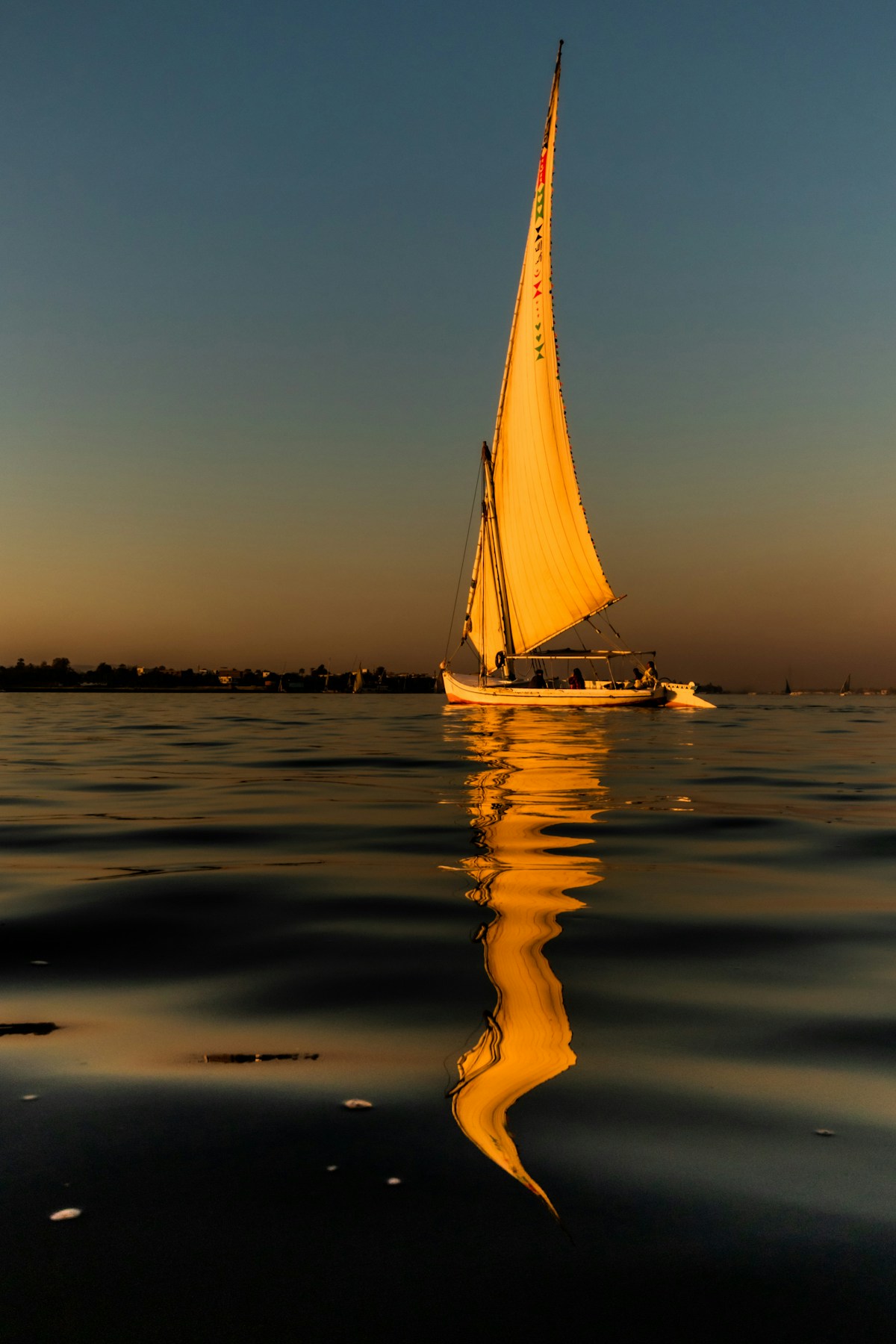
Egypt’s Nile cruise sector has entered its busiest window of the year, with operators across the Luxor–Aswan corridor confirming their full fleets are operational from late September 2026. Industry figures indicate occupancy rates of 75–85 percent across the main fleet for October and November bookings, the highest the sector has recorded since 2019.
The autumn and winter months — October through March — represent the peak operating season for Nile cruising. Water levels stabilise after the summer flood season, temperatures moderate significantly, and visibility at key archaeological sites improves with reduced haze. Average daytime temperatures in Luxor during October run between 30–34°C, dropping to comfortable evenings, compared with July highs that can exceed 42°C.
What Has Changed for 2026
Several operators introduced refurbished vessels for the 2026 season following investment cycles that were delayed during the low-demand period of 2022–2024. Egypt’s Ministry of Tourism and Antiquities confirmed in August that all cruise vessels on the Luxor–Aswan corridor had passed the updated safety inspections introduced in 2025, which cover fire suppression systems, emergency equipment, and passenger documentation standards.
The Egypt Tourism Authority also confirmed that the e-visa system, which launched in July 2026, is now accepted for all nationalities arriving via Luxor International Airport and Aswan Airport — both key entry points for cruise passengers. Processing times for the digital visa currently run between two and six hours.
Key Sites Along the Corridor
A standard four-night Nile cruise between Luxor and Aswan covers the major temple complexes on both banks:
Luxor area (departure point)
- Karnak Temple Complex — the largest temple precinct in Egypt
- Luxor Temple — located directly in the city centre
- Valley of the Kings and Queens on the West Bank
- Medinet Habu (Mortuary Temple of Ramesses III)
Between Luxor and Aswan
- Edfu Temple (Temple of Horus) — considered one of the best-preserved temples in Egypt
- Kom Ombo — a double temple dedicated to Sobek and Haroeris, directly on the riverbank
Aswan area (end point)
- Philae Temple (on Agilkia Island)
- Unfinished Obelisk
- Aswan High Dam
Abu Simbel, located approximately 280 km south of Aswan, is not accessible by river and is visited as a separate day trip or overnight excursion from Aswan. The Sun Festival at Abu Simbel — when sunrise aligns with the inner sanctuary — occurs on 22 October and 22 February each year.
Booking Considerations for Autumn 2026
Given current occupancy levels, operators advise booking at least three to four weeks in advance for October and November departures. December remains slightly more available but is also filling steadily.
Most international tour operators include Nile cruises as part of combined Cairo and Upper Egypt packages. Independent travellers can book directly with operators in Luxor, though selection of available dates and cabins is narrower during the October–November peak.
For those wanting to combine a cruise with experiences on the water, our guide to felucca sailing on the Nile covers the traditional smaller sailboat option. If you are planning activities in Luxor before or after your cruise, Luxor tours and activities include the hot air balloon tours over Luxor and guided temple visits that operate year-round and are particularly worthwhile in autumn.
Dahabiya Cruises
The dahabiya — a traditional flat-bottomed sailboat — is a slower alternative to the standard motor cruiser, typically used for five to seven-night journeys. These vessels carry fewer passengers (often between eight and twenty) and operate on a more flexible schedule. Dahabiya bookings for 2026 are reported near capacity through November, with December still carrying availability as of late September.