Alexandria eats differently from the rest of Egypt. The city’s Mediterranean position, and its history as home to large Greek, Italian, and Jewish communities through the 19th and early 20th centuries, shaped a food culture built on fresh seafood, pastry traditions with a European inflection, and a strong pavement breakfast scene. If you are visiting Egypt primarily for the monuments, Alexandria is also worth visiting for the food.
Grilled Fish at the Harbour
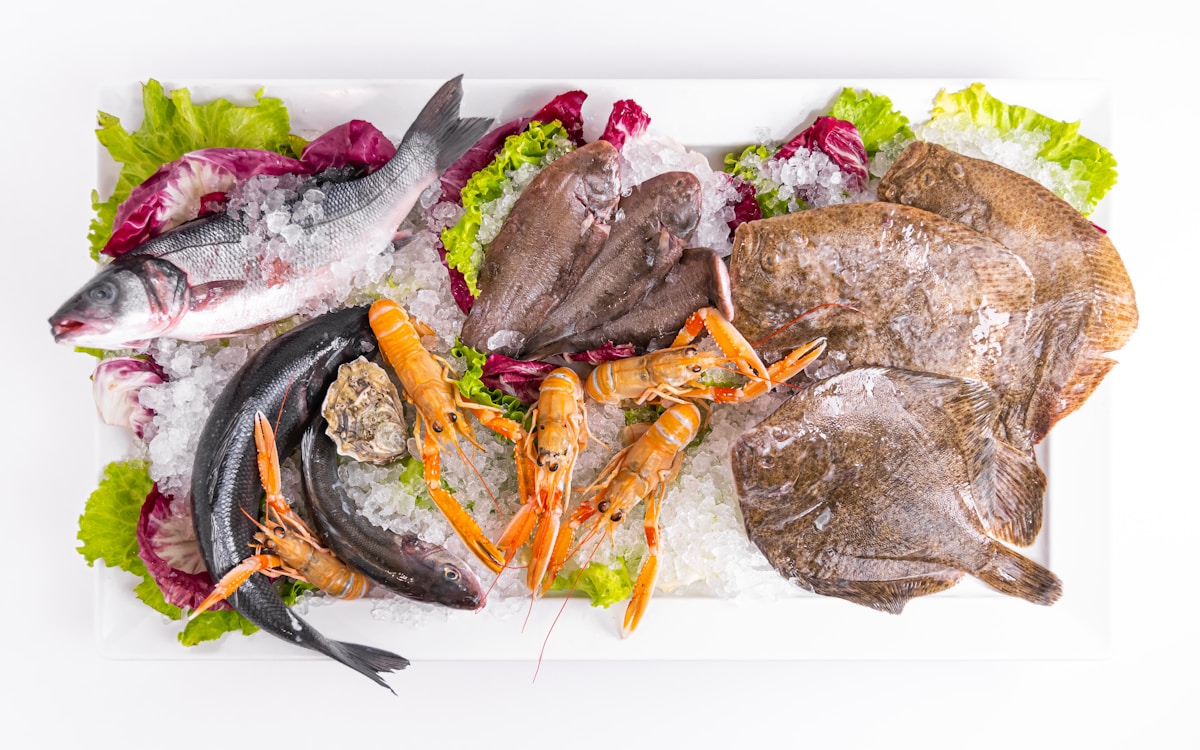
The central Alexandria meal is a whole grilled fish, selected from the display at a harbour-side restaurant, weighed and priced, then marinated in cumin, coriander, garlic, and sometimes dried chilli before going over charcoal. Sea bream (Orada), sea bass (Bars), and red mullet (Sultan Ibrahim) are the standard species. Calamari and prawns appear on most menus too.
The fish comes with tahini, a salad plate, and aish bread. The Fish Market area near the eastern harbour is where the established cluster of seafood restaurants operates.
Where to eat it: Kadoura (Bahary, eastern harbour) is a legendary fish restaurant with decades of history on the harbour front - one of the most consistently mentioned names in Alexandria seafood. Zephyrion (Abu Qir, 20km east of central Alexandria) is a historic seafood restaurant founded in 1929 that serves excellent fresh fish in a coastal village setting; the journey is worth making for a long lunch. For those who stay central, several restaurants in the eastern harbour Fish Market area operate to the same format.
Ta’ameya and Ful at Breakfast
Alexandria has a reputation, held seriously by Egyptians, for producing better ful and ta’ameya than Cairo. Ta’ameya (Egyptian falafel, made from fava beans rather than chickpeas) and ful medames (stewed fava beans with oil and cumin) are the standard Egyptian breakfast and Alexandria’s versions are considered particularly good. The best come from pavement carts operating from early morning - look for the ones with a queue of locals. A full breakfast costs almost nothing.
Where to eat it: Mohamed Ahmed (Saad Zaghloul area, near Raml Station) has been one of Alexandria’s most famous breakfast institutions since the 1950s. It is known specifically for ful and ta’ameya and is busy from early morning - expect a queue at peak times. Cash only, fast service, and genuinely good. An essential stop for the authentic Alexandria breakfast experience.
The Alexandrian Liver Sandwich
Kebda alexandrania - spiced calf liver fried quickly with green peppers, garlic, and cumin - is stuffed into aish bread and sold from street stalls. It is a street food with a distinct local identity: the seasoning is more aggressive and the texture less processed than liver preparations elsewhere in Egypt. It is cheap, filling, and worth finding even if offal is not usually your preference.
Where to eat it: Street stalls near Raml Station and in the working-class market areas of the city. No single named restaurant dominates this category - the best versions come from the busiest pavement carts.
Greek-Influenced Pastries
The large Greek community that peaked in Alexandria in the early 20th century left a pastry tradition that is still visible in the patisseries concentrated around Raml Station. Baklava, konafa (semolina and cream cheese pastry soaked in syrup), and custard-filled pastries are the specialities.
Where to eat it: Brazilian Coffee Store (Raml Station) is one of Alexandria’s historic cafes - a long-running institution good for breakfast pastries, coffee, and watching the morning trams pass. Elite (Raml Station area) is a Greek-era cafe and restaurant that has survived the decades and serves mezze alongside the Egyptian-Mediterranean pastry tradition; the atmosphere is as much the point as the food.
Feteer Meshaltet
Feteer is a flaky layered pastry with strong roots in Alexandria and the Delta region. It comes sweet (with honey, cream, or powdered sugar) or savoury (with cheese, meat, or eggs). The technique involves repeated folding and stretching - the process is similar to puff pastry but faster and cooked on a large flat griddle. Street stalls and dedicated feteer shops operate across the city.
Where to eat it: Feteer stalls are widespread; look for shops where you can watch the dough being stretched and folded before it hits the griddle. The Delta Road corridor and Agami area have well-regarded feteer specialists.
Take a Guided Food Tour of Alexandria
Alexandria’s eating culture has distinct local knowledge baked into it — knowing which harbour restaurants have the freshest fish that morning, where the best ta’ameya in the Saad Zaghloul area comes from, and how to navigate a pick-your-fish weighing transaction without overpaying is not information easily found by walking around independently. A guided Alexandria food tour covers the Eastern Harbour fish restaurants, the historic breakfast institutions, and the Greek-era pastry shops in a single circuit — giving the city’s Mediterranean-Egyptian food identity a context that stands-alone restaurant visits rarely provide. Browse Alexandria food tours and guided experiences.
Drinks: Karkade and Waterfront Cafes
Karkade - cold hibiscus tea, deep red and slightly tart - is widely available at the waterfront cafes along the Corniche. It is a good drink in warm weather and genuinely refreshing. The cafes facing the Mediterranean are also reasonable places for mint tea, coffee, and an hour watching the sea.
Where to drink it: Any of the Corniche-facing cafes between the eastern harbour and Stanley Bridge. The Brazilian Coffee Store near Raml Station is the most historic option for coffee specifically.
For a full guide to the harbour restaurants and where to eat fish in Alexandria, see our Alexandria city guide. Food tours and guided excursions in Alexandria are a practical way to cover the harbour restaurants, morning markets, and historic cafe circuit without extensive navigation. For accommodation near the Eastern Harbour, search hotels in Alexandria on Booking.com.