Marsa Alam Travel Guide: Southern Red Sea Diving and Dugongs
Marsa Alam travel guide: Elphinstone Reef, dugong encounters at Abu Dabbab, sea turtles, and coral diving on Egypt's southern Red Sea coast.
Guides for Marsa Alam
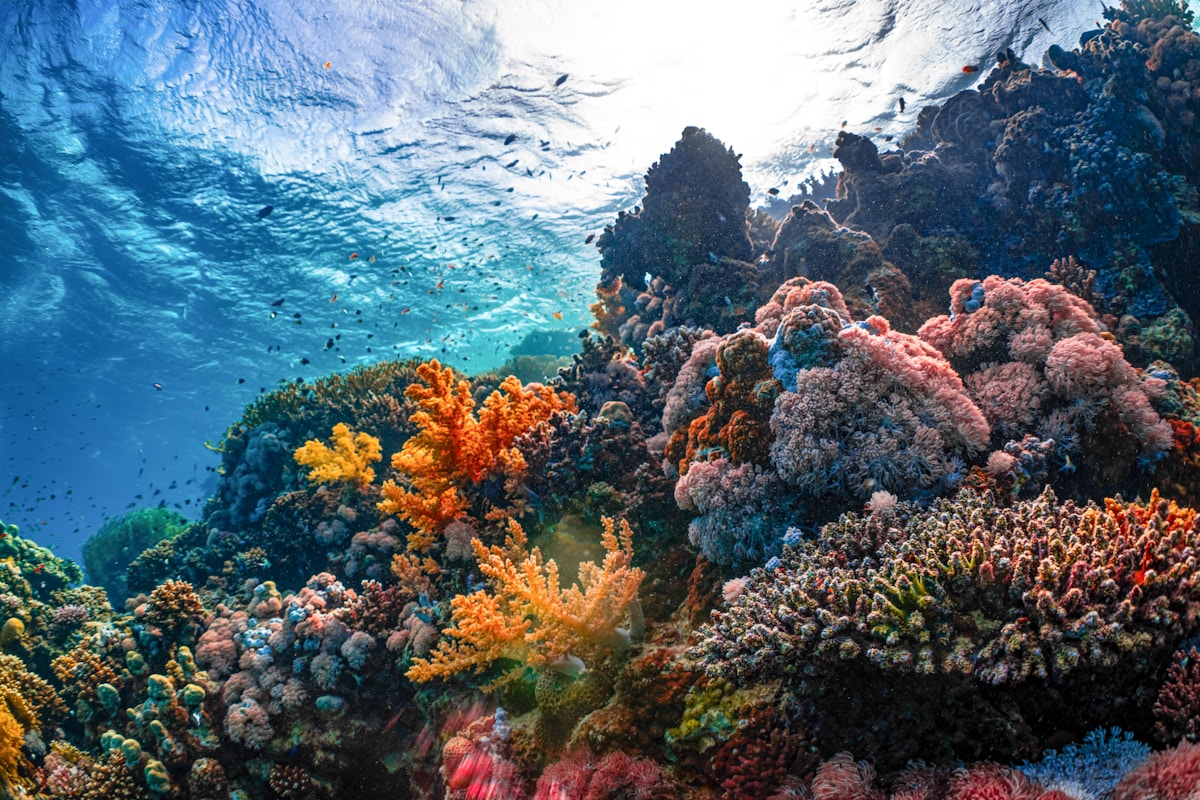
Marsa Alam is a small Red Sea town 200km south of Hurghada. It is the southernmost significant dive hub in Egypt, and the reason most people come here is straightforward: the reefs and marine life are better preserved than those further north. Less development, less boat traffic, and a coastline that remains largely undisturbed have kept the underwater environment closer to what the Red Sea looked like before mass tourism arrived.
Getting There
Marsa Alam International Airport (RMF) receives seasonal charter flights from Europe, primarily in the October–May window, with connections from UK, German, and Polish airports. Domestic flights connect from Cairo - expect to pay approximately EGP 900–1,500 for one-way fares on Air Arabia Egypt or EgyptAir, as of 2026. By road from Hurghada it is roughly three hours south on the desert coastal highway; private transfers cost approximately $70–100. Some travellers drive from Luxor via the Qena–Safaga road and continue south, which adds context to a Nile Valley itinerary and takes approximately four to five hours total.
Elphinstone Reef
Elphinstone is the site that serious divers come to Marsa Alam specifically to dive. The reef sits approximately 30km offshore - a flat-topped plateau dropping into deep water on both sides. Its walls are consistently associated with oceanic whitetip sharks and seasonal hammerhead aggregations. The currents at Elphinstone are strong and variable; the site is genuinely unsuitable for beginner or intermediate divers who are not current-water experienced.
A day trip to Elphinstone from Marsa Alam typically costs approximately $80–110 per person (two dives, including tanks and weights). Most dive centres require a minimum of 50 logged dives for Elphinstone specifically. For those who are qualified, it competes with the Thistlegorm as the most significant dive in Egypt. You can browse Marsa Alam tours and diving day trips to compare current operators and availability.
Recommended Dive Operators
- Wadi Lahami Dive Centre - specialist southern Red Sea operator with small groups and experienced guides. Well regarded for Elphinstone and the deeper sites further south. Two-dive day trips approximately $90 including equipment.
- Red Sea Waterworld - in the Port Ghalib marina area, PADI Gold Palm resort, suitable for both beginners and technical divers.
- Hamata Diving Club - further south, good base for diving the Fury Shoals and the most remote southern sites. Small group sizes.
Dugongs at Abu Dabbab
Abu Dabbab bay, north of Marsa Alam town, holds one of the most reliable dugong (sea cow) populations accessible to snorkelers and divers in Egypt. Dugongs feed on the seagrass beds in the bay’s shallow water and are regularly encountered on boat trips from Marsa Alam. Sightings are not guaranteed, but the frequency here is higher than anywhere else along the Egyptian coast. The same bay also sees sea turtles regularly. A combined Abu Dabbab and Sha’ab Samadai (the dolphin house) day trip costs approximately $55–75 per person by boat from Port Ghalib.
Wadi El Gemal National Park
Wadi El Gemal National Park begins roughly 60km south of Marsa Alam town and covers a stretch of coast with sea turtle nesting beaches, mangrove stands, and an inland wadi with acacia woodland. A park entry permit is required (approximately EGP 50 as of 2026). The site receives relatively few visitors and the infrastructure is basic - bring water and expect rough tracks. Most visitors arrange this as part of a 4WD tour from Marsa Alam.
The Town and Port Ghalib
Marsa Alam town itself is small - the main function is to serve staff at the resort hotels lining the coast. For dining and services, Port Ghalib Marina (15km south) is the more developed hub: a purpose-built marina with a handful of restaurants, cafes, and shops. Shams Alam Beach Resort runs a good Egyptian buffet open to non-guests at approximately EGP 300–400 per person. In town, local seafood restaurants near the market serve fresh fish for EGP 80–150 per dish.
Where to Stay in Marsa Alam
Most accommodation is in resort hotels outside the town centre, ranging from basic budget guesthouses to upmarket beach resorts.
- Budget (approximately $30–55/night): Mangroovy Beach Resort - simple, direct beach access, good snorkeling from shore, popular with independent divers.
- Mid-range (approximately $80–140/night): Three Corners Sea Beach Resort - solid all-inclusive option, own reef snorkeling, consistent service. Brayka Bay Reef Resort at approximately $90–130/night all-inclusive.
- Upmarket (approximately $170–280/night): Shams Alam Beach Resort - eco-designed bungalows, private beach with excellent direct reef access, one of the best properties on the southern Red Sea coast.
Best Time to Visit
October through May. Summer is hot (38–42°C) and some resorts operate reduced services. The reef is accessible year-round, but diving and snorkeling conditions are most consistent in the cooler months. Water temperatures stay between 22–28°C year-round.
Nearby
Hurghada is 200km north - the main logistics hub for the central Red Sea coast. If you are combining a Nile trip with southern Red Sea diving, Luxor is approximately four to five hours from Marsa Alam via Qena.
Marsa Alam Guides
- Things to Do in Marsa Alam
- Marsa Alam Diving
- Where to Stay in Marsa Alam
- Red Sea Diving Egypt - overview of all Red Sea dive hubs including Elphinstone and the southern sites
- Red Sea Liveaboard Diving - liveaboard trips to the Brothers, Daedalus, and deep south reefs
- Hurghada Travel Guide - the main hub to the north, with better airport connections
- Hurghada vs Marsa Alam - full comparison of the two main Red Sea dive hubs
- Hurghada vs Sharm el-Sheikh - comparing Red Sea dive destinations
- 10 Days in Egypt Itinerary - includes a Luxor–Marsa Alam combination
Book an experience
Top experiences in Marsa Alam
Explore the best tours and activities in Marsa Alam , with instant confirmation and free cancellation on most bookings.