Red Sea Diving Egypt: Sites, Hubs, and What to Know Before You Go
Book an experience
Book this activity
These are the top-rated activities for this area — book ahead to lock in your preferred date.
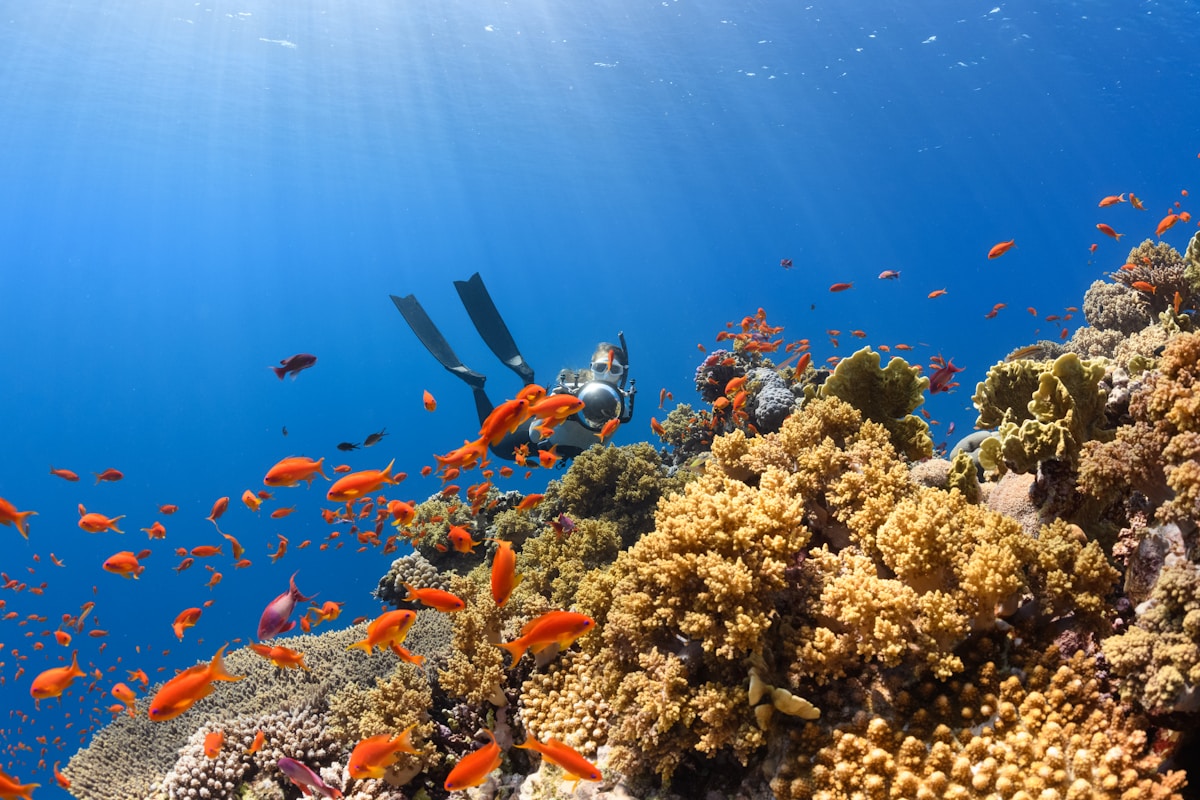
The Egyptian Red Sea is consistently ranked among the world’s top dive destinations. Water clarity routinely exceeds 20–30 metres, temperatures are warm year-round, the reef systems are in good health relative to other global dive destinations, and there is an exceptional concentration of wreck sites. Here’s a practical overview of where to dive, where to base, and what to expect.
The Four Main Dive Hubs
Sharm el-Sheikh sits at the southern tip of the Sinai Peninsula and is the most established dive hub in Egypt. It’s a large resort town with hundreds of dive centres. The primary draw is proximity to Ras Mohammed National Park and day-trip access to the Thistlegorm wreck.
Hurghada is the most accessible hub from Cairo — a one-hour flight or seven-hour drive. It’s a larger, more diffuse resort town. Diving here focuses on the Shaab Abu Nuhas wreck site, local reef diving, and day boats to sites further afield.
Dahab is a small, relaxed town on the Gulf of Aqaba, popular with long-stay divers and freedivers. Shore diving is excellent and convenient — many sites are a five-minute walk from the main strip. The Blue Hole is here.
Marsa Alam is in the deep south — quieter, less developed, and the base for southern Red Sea diving including Elphinstone and the dugong site at Abu Dabbab.
Top Dive Sites
SS Thistlegorm (near Sharm): A British WWII supply ship sunk in 1941 by German bombers. The cargo hold contains military motorcycles, trucks, rifles, and ammunition — essentially a perfectly preserved wartime supply manifest. The wreck sits at 30m and is consistently listed among the world’s best wreck dives. Advanced certification required; Advanced Open Water is sufficient.
Ras Mohammed (Sharm): A national park with outstanding reef health. Shark Reef and Yolanda Reef offer shark and ray aggregations, substantial reef walls, and the partially submerged remains of a cargo ship carrying bathroom fixtures — one of the more surreal sites in Red Sea diving.
Elphinstone (Marsa Alam): An offshore pinnacle rising from deep water, known for oceanic whitetip and hammerhead sharks. Strong, unpredictable currents make this a site for experienced divers. The shark encounters here can be significant — this is one of the more reliable spots for oceanic whitetips globally.
Blue Hole (Dahab): A circular sinkhole dropping to over 100m, with a shallow lagoon accessible to snorkellers. The arch connecting the Blue Hole to open water at 56m has killed a significant number of experienced divers who underestimated the task. The Blue Hole itself — snorkelling the rim, diving to 30–40m inside — is safe and excellent. The arch is technical diving territory; treat it accordingly.
Shaab Abu Nuhas (Hurghada): Four wrecks at a single reef, all accessible from Hurghada on day trips. The variety of ships and the reef life that’s colonised them makes this a reliable multi-dive day.
Water Temperature and Wetsuits
22–24°C in winter (November–March), 26–28°C in summer. A 3mm wetsuit is adequate for most of the year. Some divers use 5mm in winter, particularly for multiple dives per day. Rental equipment is available at all dive centres.
Costs
Daily boat dives with a reputable dive centre run $30–60 USD per dive, typically including equipment. Try dives for uncertified divers are available at most resort dive centres for $50–80. PADI Open Water courses run $250–400 depending on location and operator.
Dahab tends to be the cheapest hub; Sharm and Marsa Alam lean slightly more expensive. Quality correlates broadly with price, though the gap between budget and mid-range operators in the Red Sea is smaller than in some other global dive destinations.
Frequently Asked Questions
- Which is the best base for diving in Egypt?
- Sharm el-Sheikh for access to Ras Mohammed and the Thistlegorm; Marsa Alam for Elphinstone and dugong encounters; Dahab for shore diving and the Blue Hole; Hurghada for accessibility and wrecks at Shaab Abu Nuhas. Serious technical divers tend to base in Sharm or Marsa Alam.
- What is the best time for diving in Egypt?
- Year-round, but the water is warmest May–October (26–28°C). Winter diving (November–March) means cooler water (22–24°C) but often better visibility and fewer crowds. March–April can bring hammerhead sightings in the southern Red Sea.
- Do I need an advanced certification for Red Sea diving?
- PADI Open Water covers most recreational sites. The Thistlegorm sits at 30m and requires Advanced Open Water or equivalent. Elphinstone involves strong currents and is suitable for experienced divers only. The Blue Hole arch at 56m is technical diving — fatalities have occurred there among divers attempting it without proper training.
- What marine life can you see in the Egyptian Red Sea?
- Reef sharks, sea turtles, moray eels, giant Napoleon wrasse, lionfish, and barracuda are reliable year-round. Hammerheads appear seasonally (March–April, southern Red Sea). Whale sharks are occasionally seen in the south. Dugongs are reliably sighted at Abu Dabbab near Marsa Alam.
Ready to explore?
Browse hundreds of tours and activities. Book securely with free cancellation on most options.
Browse on GetYourGuide →We may earn a small commission — at no extra cost to you.